



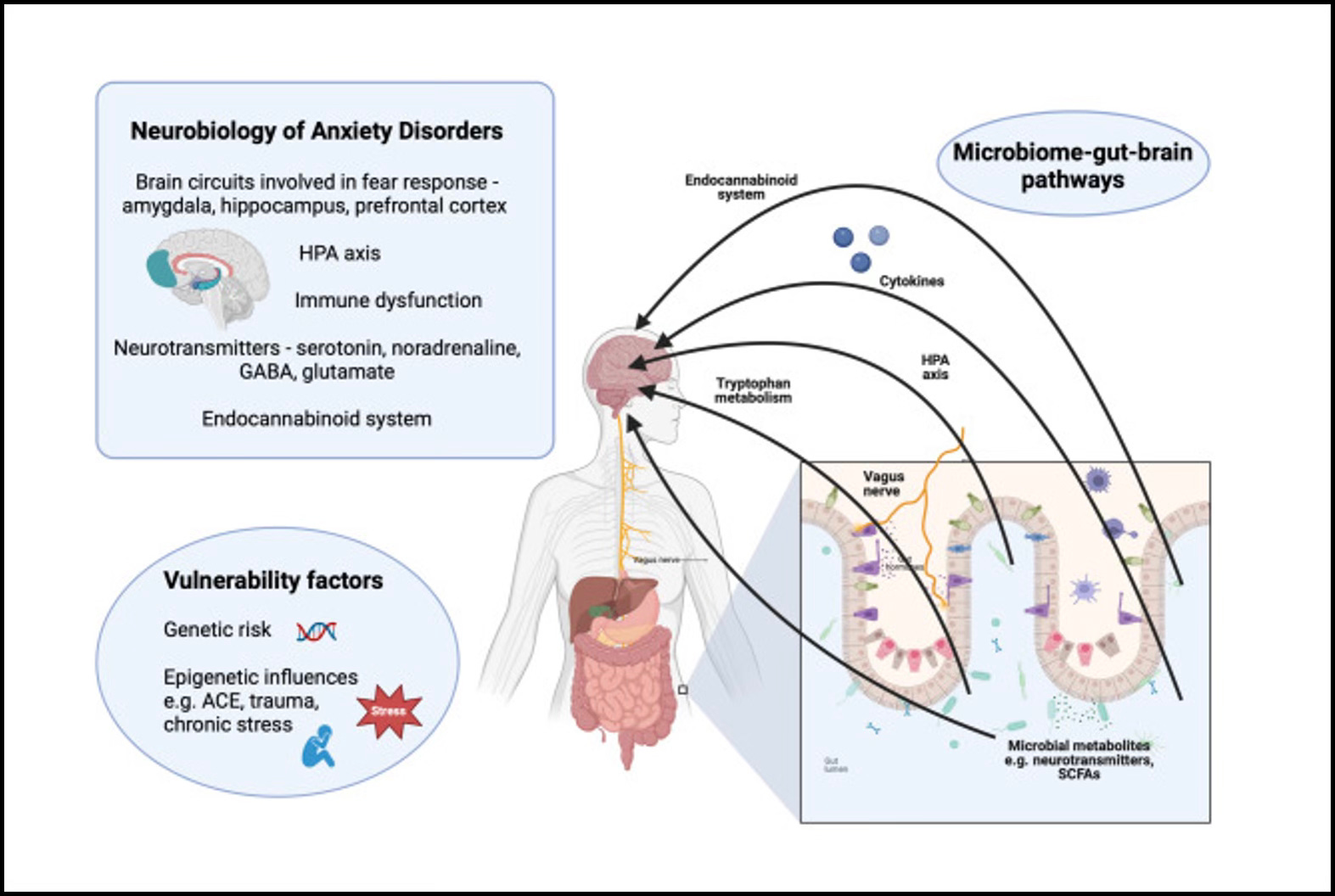
In this last part of our GI/Microbiome series, let’s review some other common abnormalities found on GI testing. Remember, as you’ll see when you review Complete Digestive Stool Analysis (CDSA) and/or Gastrointestinal Microbial Assay Plus (GI Map) testing, that the gut microbiome and the gut/microbiome/brain axis is involved in many physiological pathways. It does this via the hypothalamic/pituitary/adrenal axis and hormone secretion, immune modulation, tryptophan/kynurenine metabolism, vagal nerve communication, brain-derived neurotrophic factor expression, neurogenesis and myelination, microglial function, and neurotransmitter production.
The microbiome affects a broad range of chronic illnesses including ADD/ADHD, autism spectrum disorder, Alzheimer’s disease, myalgic encephalomyelitis (ME), diabetes/metabolic syndrome, Crohn’s disease, and anxiety. Regarding psychiatric illnesses, the microbiome is our “psychobiome.” Researchers have found depletion of bacterial species such as Eubacterium, Coprococcus, and Faecalibacterium in generalized anxiety disorder as well as disruptions of the microbiome in major depressive disorder, OCD, and even psychosis.
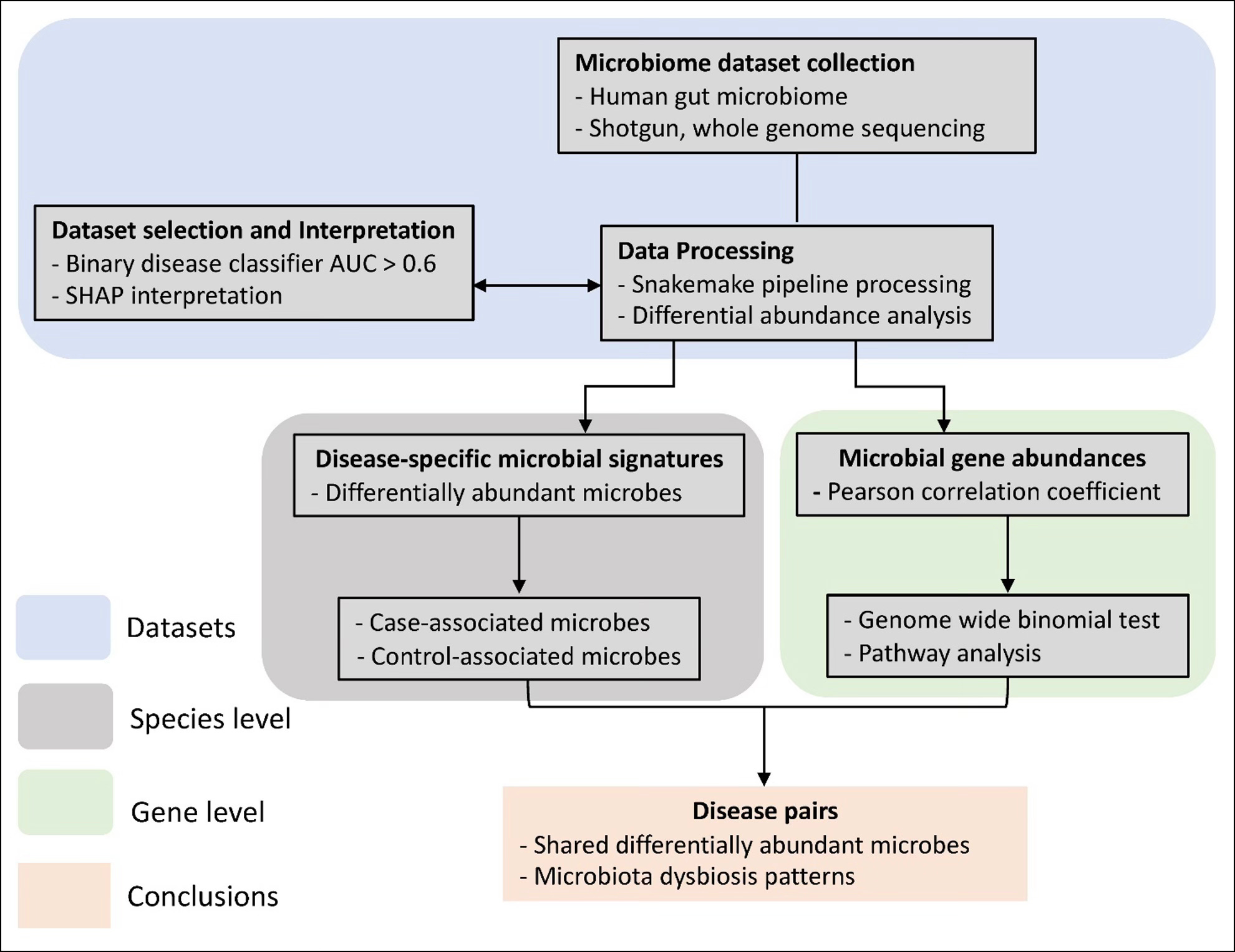
A recent meta-analysis of the human gut microbiome has now revealed shared and distinct microbial signatures between diseases too. Prevotella copri has been found to be more prevalent in both type 2 diabetes and rheumatoid arthritis patients. They found a high degree of similarity between Crohn’s disease patients vs. ulcerative colitis patients, and specific microbiome signatures in colorectal cancer, Parkinson’s disease, and type 2 diabetes, as well as schizophrenia. We are rapidly getting to a point where most major diseases are being discovered to have their own specific microbiome signatures. A large microbiome data set collection is allowing us to develop specific microbiome markers for a broad range of chronic illnesses. See below:
CANDIDA OVERGROWTH/SMALL INTESTINAL FUNGAL OVERGROWTH (SIFO)
Candida overgrowth in the GI tract is commonly found both on testing and in my patients, as many have seen me after being on years of antibiotics for the treatment of chronic Lyme disease. Candida contributes to intestinal hyperpermeability (leaky gut) by directly damaging epithelial cells and disrupting tight junctions, primarily via secretin of candidalysin, a peptide toxin. The loss of barrier integrity is linked to translocation of bacterial products and lipopolysaccharide (LPS) across the intestinal barrier. This leads to pro-inflammatory cytokine release, increasing both local and systemic inflammation and worsening many chronic illnesses.
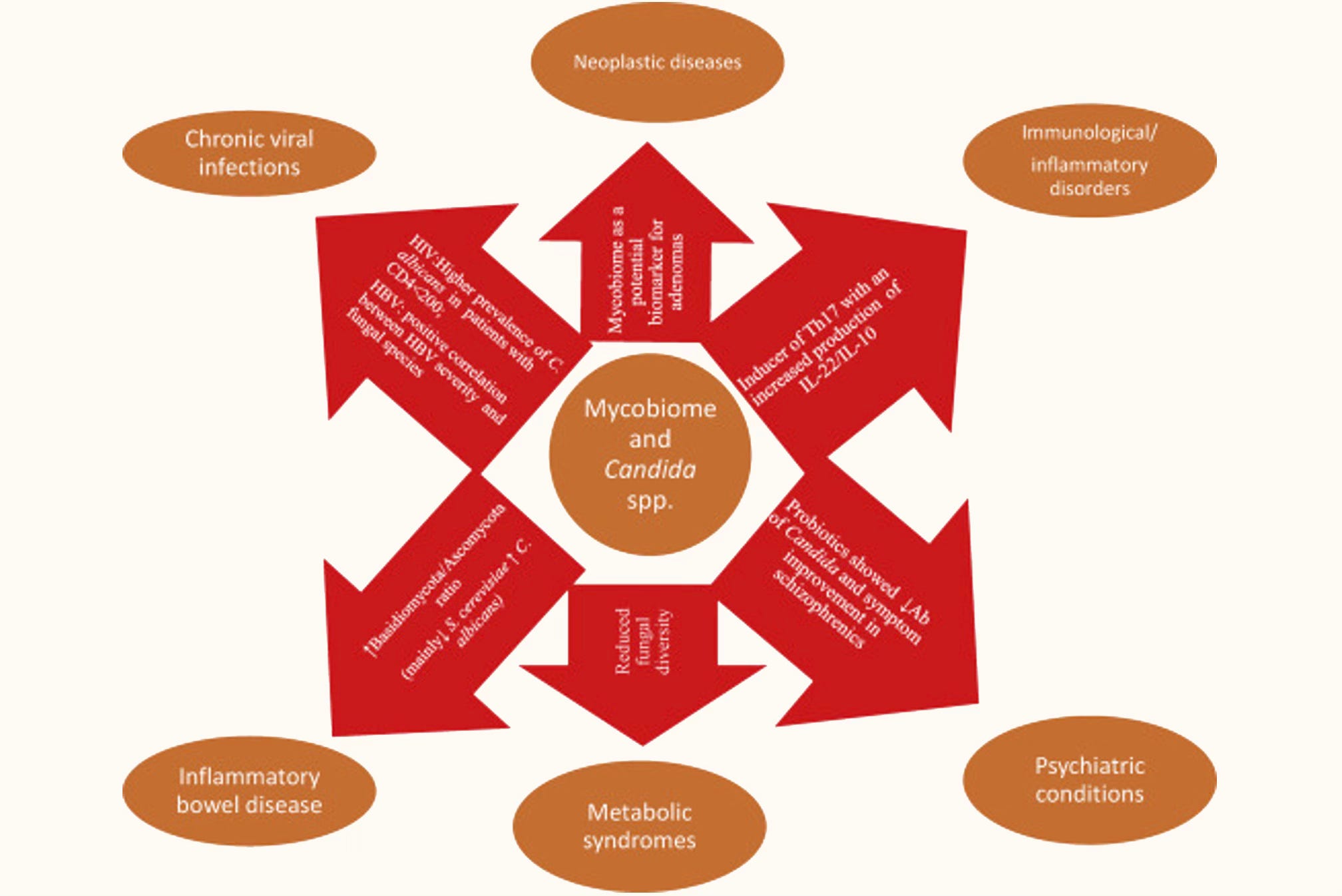
Candida overgrowth is also associated with a pro-tumorigenic environment, as fungal dysbiosis has been linked to colon cancer progression. Younger individuals are now being diagnosed with colon cancer, and we know that our diet, environmental toxins, antibiotic use, etc. disrupts our microbiome. Metagenomic analyses have revealed distinct fungal signatures in colorectal cancer tissue, supporting a role for the mycobiome in carcinogenesis. Dysbiosis associated with colorectal cancer is characterized by increased prevalence of pathogen-associated Fusobacterium, Porphyromonas, Peptostreptococcus, Parvimonas, and Enterobacter. Yet how often have you ever heard a doctor discuss Candida as a risk factor in colon cancer and other inflammatory illnesses? They should! Candida overgrowth and our mycobiome (fungal species) have now been associated with different chronic conditions, such as neoplasms/cancers, immunological/inflammatory disorders, psychiatric diseases, metabolic syndromes, and inflammatory bowel diseases
Candida can be found in the upper or lower GI tract. In SIFO (Small Intestinal Fungal Overgrowth), patients usually have bloating, gas, belching, indigestion, nausea, and diarrhea, which can overlap with IBS symptoms and clinically be confused with SIBO (Small Intestinal Bacterial Overgrowth). Some patients have resistant fatigue and brain fog from Candida overgrowth in the lower GI tract, which overlaps with hypoglycemic symptoms. Candida spp. have been linked to IBS and IBD as well as colon cancer and primary sclerosing cholangitis (PSC). This is a chronic autoimmune liver disease characterized by inflammation and scarring of the bile ducts. Candida delays healing and exacerbates many GI diseases.
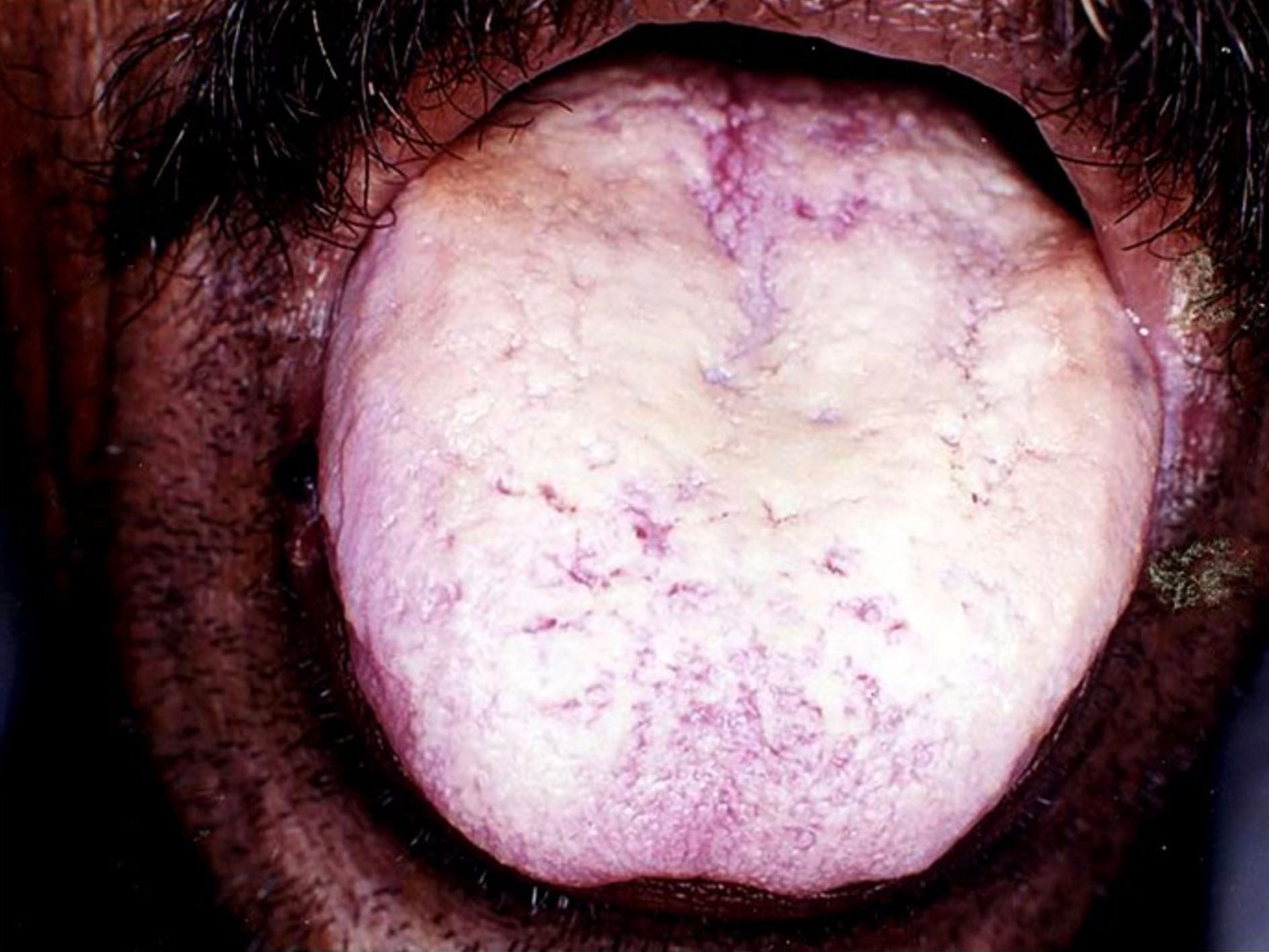
Diagnosis: Evaluate risk factors like antibiotic use, immunosuppression, PPIs, use of the birth control pill, and motility disorders where the bowels don’t move properly. Routine stool cultures are not diagnostic, as colonization is common. A stool CDSA may show significant overgrowth. If you eat simple carbohydrates and notice bloating, foul-smelling gas, fatigue, headaches, brain fog, and an increase in musculoskeletal pain, these symptoms suggest that Candida may be the cause, especially if associated with vaginal discharge and/or a white tongue.
Differential Diagnoses: This includes IBS, IBD, SIBO, celiac disease, and medication side effects.
Treatment: Antifungal therapies include a strict low-carbohydrate diet; Nystatin if dealing with a mild case, with or without fluconazole 200 mg/day with probiotics and biofilm agents like Biocidin 2x/day; or cinnamon/clove/oregano oil (Candida is a biofilm infection). Itraconazole 200 mg up to 400 mg/day can be used if suspecting resistance (usually for 3-4 weeks). Oral clotrimazole 10 mg 4x/day is used for oral Candida, and compounded Amphotericin B can be used for severe cases. Essential oils, like oregano oil, berberine, caprylic acid, undecylenic acid, garlic, and olive leaf extract are also useful. Consider Betaine HCL if low stomach acid is an associated cause of Candida overgrowth.
SMALL INTESTINAL BACTERIAL OVERGROWTH (SIBO)
SIBO causes mid-abdominal or diffuse abdominal pain, with bloating, abdominal discomfort, and diarrhea being the most frequent symptoms. Blood in the stool is not a feature of SIBO.
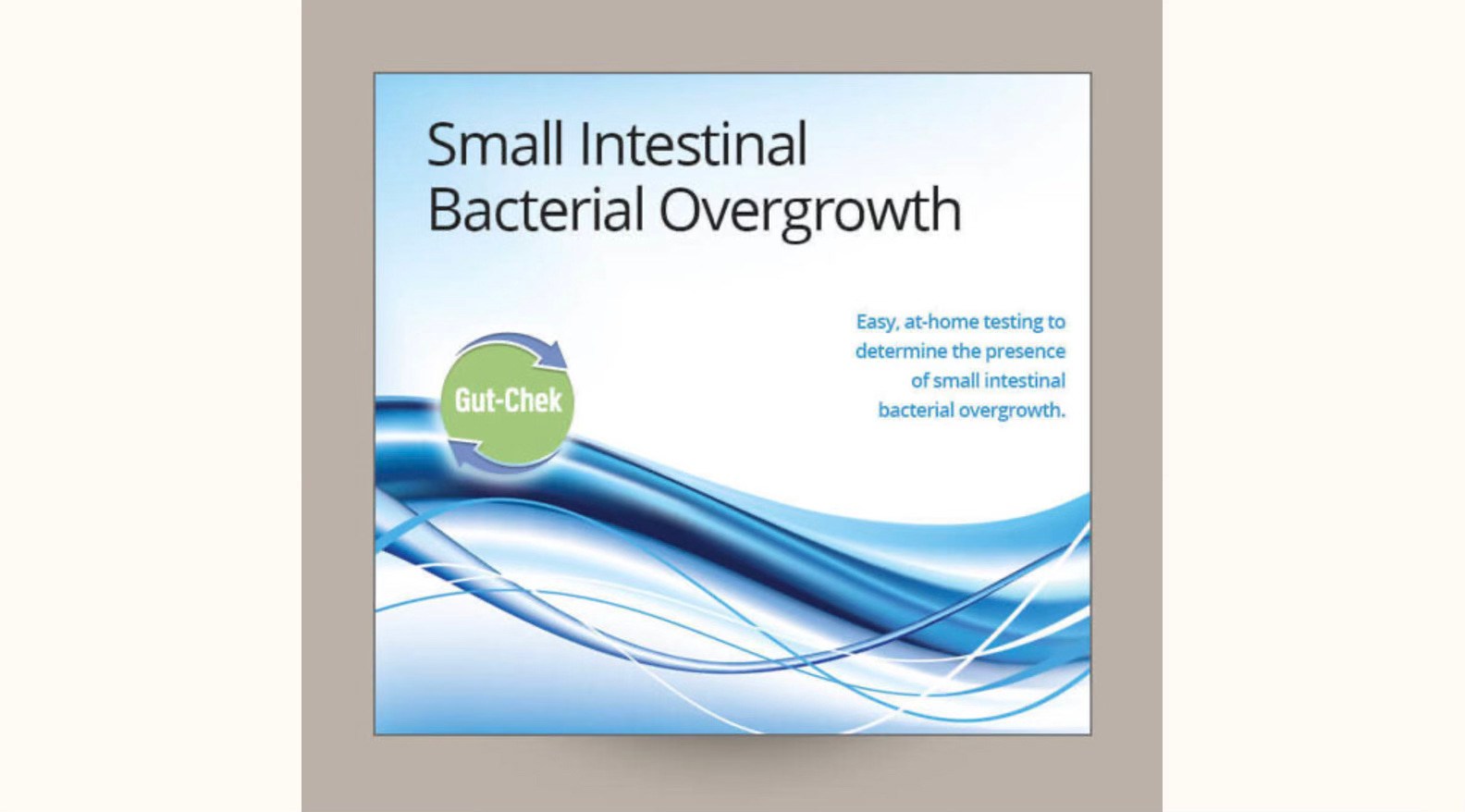
Testing: Breath testing with glucose or lactulose is the most common non-invasive test. An important point regarding breath testing is that the sensitivity of the glucose breath test is 20-93%, and specificity is 45-86%. The lactose breath test has 17-68% sensitivity and 44-86% specificity. So you can easily miss SIBO on a breath test; false negative results are possible (lower anaerobic bacteria), as are false positive results (short bowel syndrome). I generally have had good results using Metabolic Solutions SIBO test:
One clue is that SIBO is associated with disorders of GI motility, including irritable bowel syndrome, narcotic use, diabetes, hypothyroidism, post-radiation enteropathy, and scleroderma.
Differential Diagnoses: These include celiac disease, chronic pancreatitis, and other causes of diarrhea and bloating. In my practice, Candida overgrowth and leaky gut with food sensitivity is on the top of the list. Watch for B vitamin (B1, B3, B12), iron, and vitamin D deficiencies, especially when there is SIBO with steatorrhea (fatty stools) and weight loss from fat malabsorption. Low gastric acid (hypochlorhydria) or low pancreatic enzymes (chronic pancreatic insufficiency) are possible etiologies and should be treated. More than one cause may be found.
Treatment: Rifaximin 550 mg 3x/day for 14 days is standard, but you may need several courses. Use neomycin 1000 mg/day with rifaximin if methane SIBO is positive.
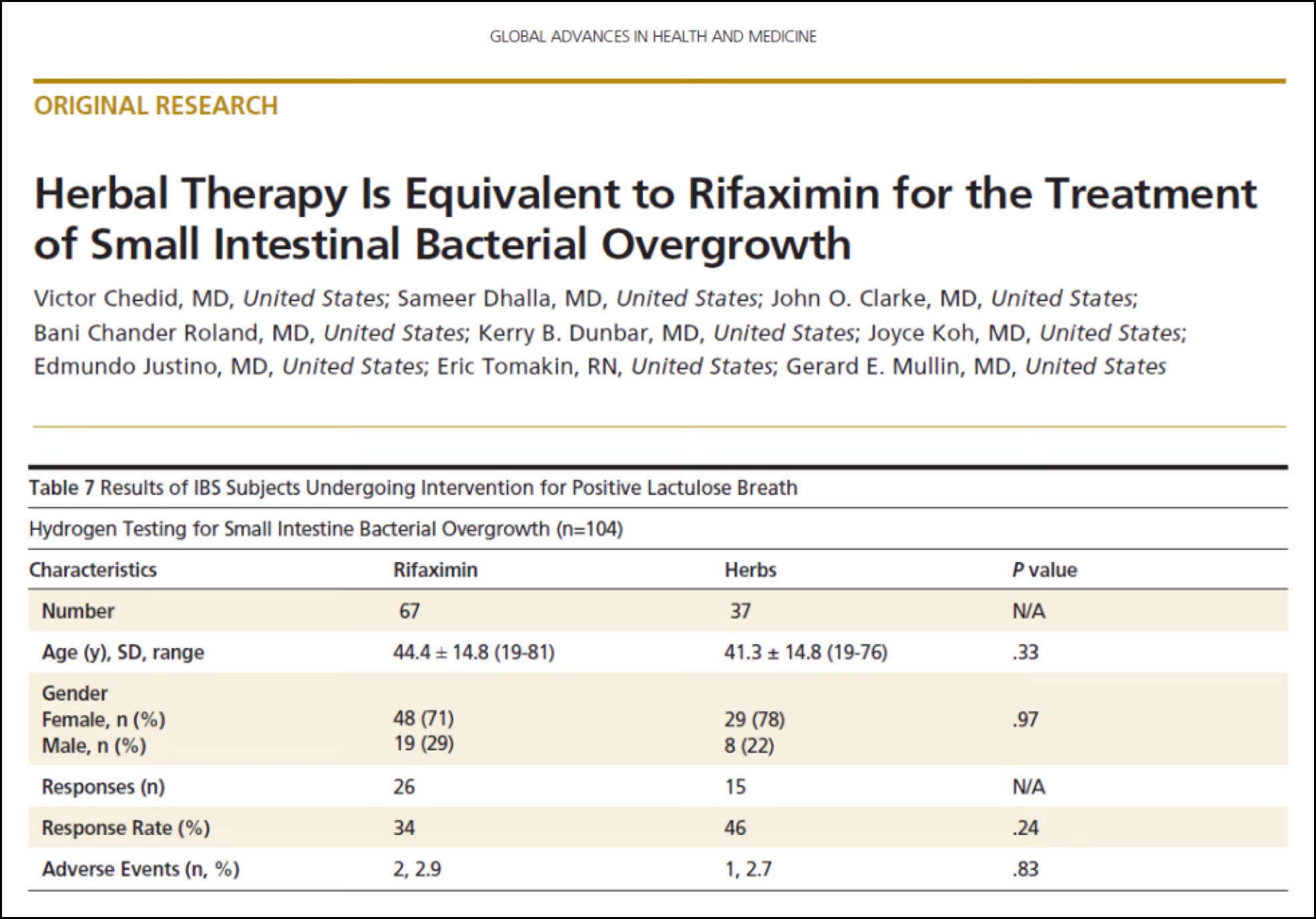
Alternative Therapies: Candibactin AR and Candibactin BR (work up to 1 3x/day over 1 week) for 1 month. I’ve had some success with this protocol, which has been published to be as effective as standard therapies. See below:
BACTERIAL OVERGROWTH WITH GRAM-NEGATIVE ENTEROBACTERIA
When you see this on a CDSA or GI Map, several herbal therapies in combination have been proven to help.

Treatment: Use berberine, oregano oil, allicin (garlic), and NEEM for at least 4-8 weeks and consider rotations of herbs. A low FODMAP diet, probiotic strains, such as Saccharomyces boulardii and Lactobacillus plantarum, while ensuring that impaired motility is not underlying the overgrowth (occasionally using prokinetics) is essential.
LACTOSE AND/OR FRUCTOSE INTOLERANCE WITH GAS, BLOATING, AND DIARRHEA
This generally causes mid or lower abdominal pain with bloating, gas, and diarrhea after ingesting milk products and/or fruit. It is usually chronic but can be acute after a food trigger. Systemic symptoms are not expected and should prompt an evaluation of other pathologies.

Diagnosis: Dietary history and a 1-2-week elimination diet. Breath testing should be done if symptoms persist. Consider a biopsy with a duodenal disaccharidase assay if the etiology is unclear.
Differential Diagnoses: IBS, SIBO, celiac disease, and other causes of diarrhea and bloating.
Treatment: Dietary restriction of lactose or fructose is the best treatment. Lactase enzymes can be used for lactose intolerance. Xylose isomerase is a possibility for fructose intolerance (more evidence is needed). Dietary evaluation is essential.
PARASITES
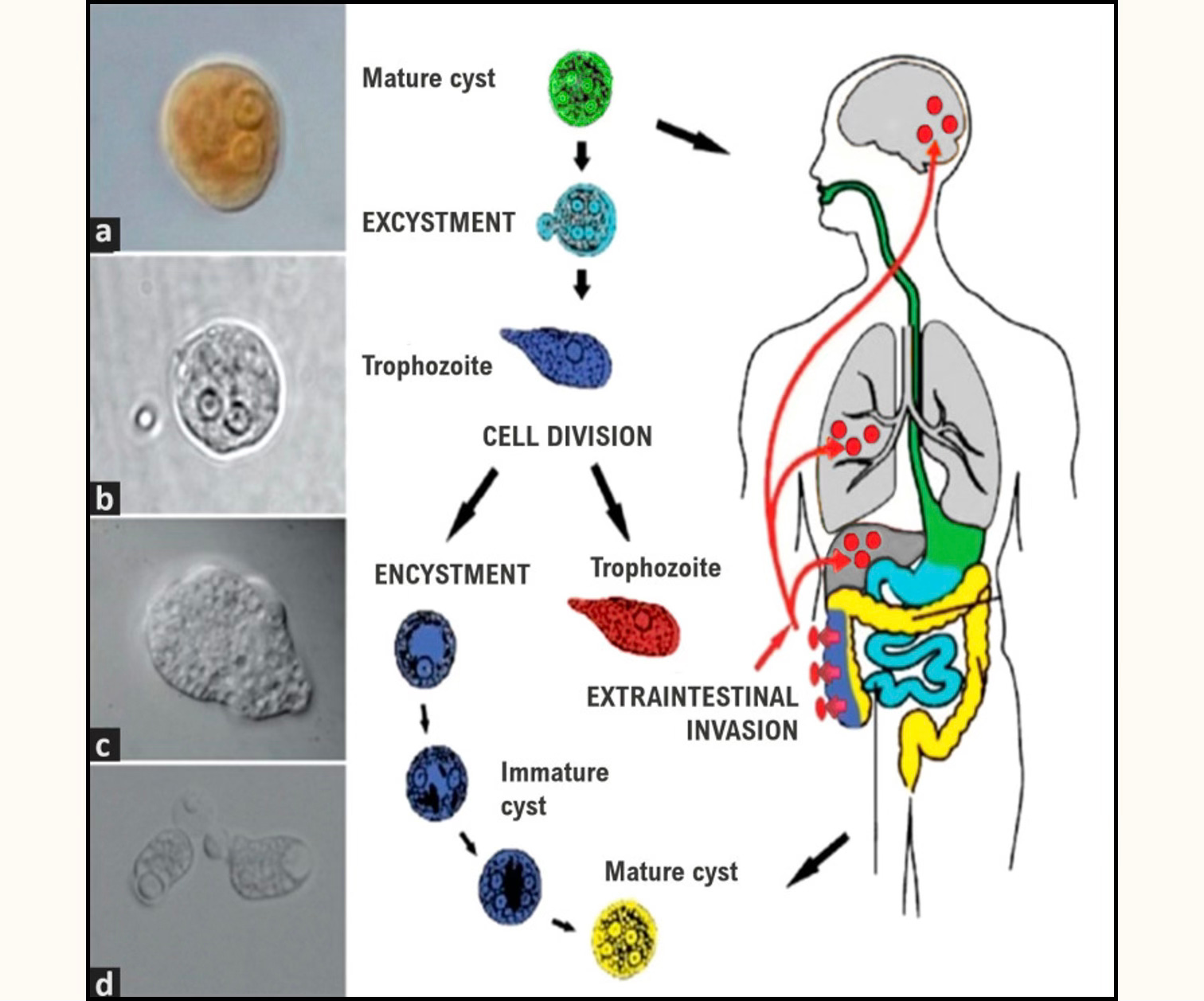
See the image below illustrating the lifecycle of the amoeba parasite:
Parasites commonly found on a CDSA or GI-Map include both protozoa and helminths, which are often treated with prescription antiparasitic medications. Treatment is personalized based on the specific parasite identified, the severity of symptoms, and the patient's overall health.
Common Parasites and Treatments
Blastocystis Hominis: This organism may or may not cause symptoms. For symptomatic infections, treatment options include metronidazole, tinidazole, or nitazoxanide. Some studies suggest that probiotics like Saccharomyces boulardii or dietary changes may also help.
Cryptosporidium Species: Most healthy individuals recover without specific treatment, but the illness can last for weeks. For those over one year old, nitazoxanide is an FDA-approved prescription medication for treatment. People with weakened immune systems may have more severe symptoms.
Cyclospora Cayetanensis: Healthy individuals often recover on their own, but symptoms can last for over a month and can recur. The treatment of choice is trimethoprim-sulfamethoxazole (TMP-SMX), often sold as Bactrim or Septra.
Dientamoeba Fragilis: This infection may be asymptomatic and not require treatment. For symptomatic cases, treatment options include paromomycin or metronidazole. Tetracycline and doxycycline may also be used in adults.
Entamoeba Histolytica: All infections with this parasite need treatment, even if asymptomatic, due to the risk of extraintestinal complications. The drugs of choice are metronidazole or tinidazole, followed by an agent like paromomycin to clear any lingering organisms.
Giardia Lamblia: For symptomatic infections, metronidazole is a common antibiotic, but tinidazole and nitazoxanide are also used. Many people with giardiasis recover on their own in a few weeks, although symptoms can be severe.
HELMINTHS (WORMS)
Common Helminths and Treatments
Ancylostoma Duodenale (Hookworm): Treatment for hookworm is typically a single dose of albendazole or mebendazole.
Necator Americanus (Hookworm): As with Ancylostoma duodenale, a single dose of albendazole or a three-day course of mebendazole is the standard treatment.
Ascaris Lumbricoides (Roundworm): A single dose of albendazole or a 3-day course of mebendazole can treat this worm.
Enterobius Vermicularis (Pinworm): Treatment involves a single dose of albendazole or mebendazole, with a second dose administered 2 weeks later to prevent reinfection.
Taenia species (Tapeworm): Intestinal infections are often asymptomatic but can be treated with a single dose of praziquantel.
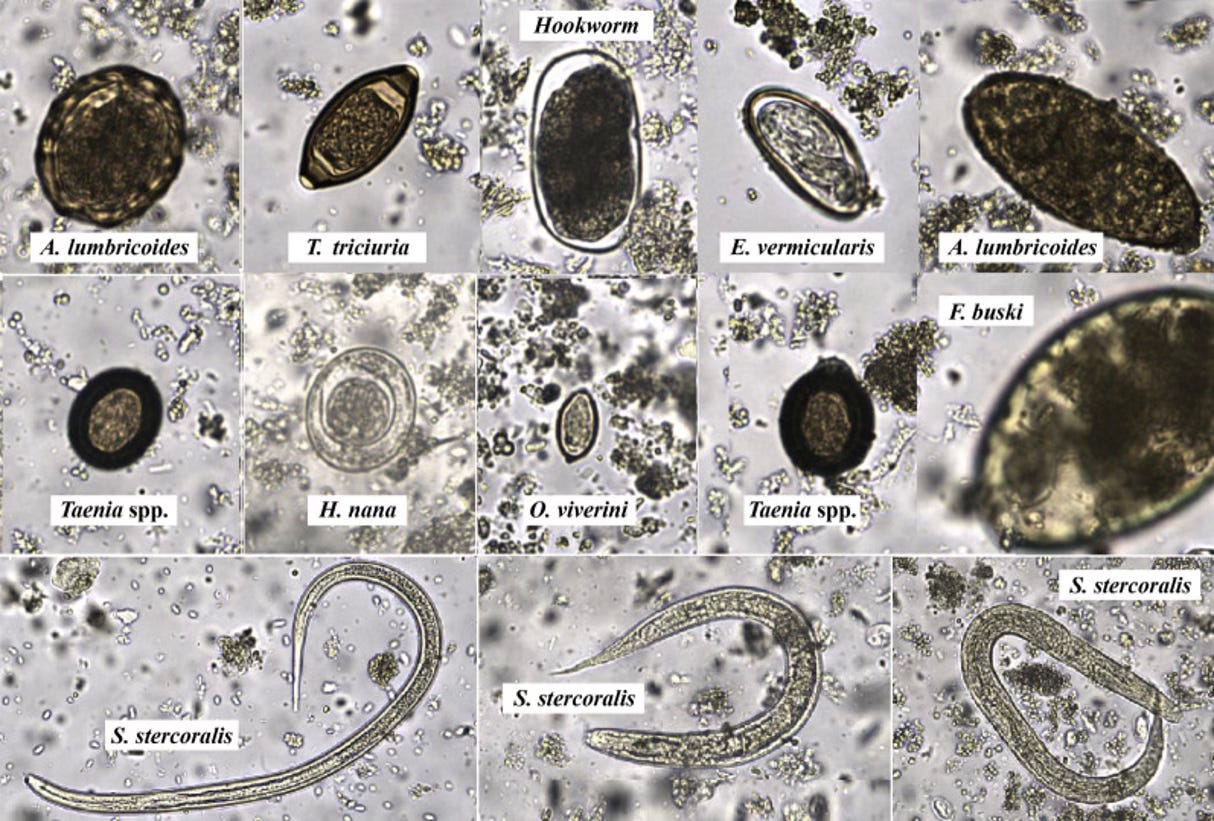
Trichuris trichiura (Whipworm): This worm can be treated with albendazole and ivermectin. The duration of treatment may vary. See the picture below of multiple helminth eggs and larvae.
Functional and Integrative Treatments: Beyond anti-parasitic medications, probiotics and prebiotics can help restore the balance of beneficial bacteria, which can be disrupted by parasites and antibiotics. Dietary interventions may include specific diets to reduce inflammation, restriction of foods that "feed" the harmful organisms, and support of the gut lining. I also have had excellent results using the Byron White AP formula, containing multiple herbs, working up to 10-20 drops/day as anti-parasitic support. See below:

Supportive Supplements: Digestive enzymes, nutrients, and vitamins may be used to address malabsorption and support the immune system.
Repeat Testing: Follow-up testing is often necessary to confirm that the infection has been successfully eradicated and to monitor the healing of the gut microbiome.
My goal with this microbiome series has been to provide you with a comprehensive overview of the most common causes of GI symptoms and how to support your health. Please speak to your doctor if you have questions about any of the diets, nutraceuticals, or treatments I’ve listed. To your health….