


In the previous 3 parts of this microbiome series, you read about some of the major diseases associated with the microbiome, factors leading to its disruption, testing strategies, and how to support the microbiota with diet and nutraceuticals. Now let’s dive into other specific tests and treatments, both mainstream and integrative, so you can be a Medical Detective determining the correct course of action.
This list is not exhaustive but contains some of the most frequent abnormalities found after GI testing. This week covers: H. pylori; Celiac Disease, with Chronic Diarrhea and Malabsorption; Low Secretory IgA, Elevated Zonulin with Leaky Gut/Multiple IgG4 Food Sensitivities; Elevated Fecal Calprotectin, EPX with Inflammatory Bowel Disease; Pancreatic Exocrine Insufficiency; and Low Gastric Acid (Hypochlorhydria).
Next week will cover Candida overgrowth/Small Intestinal Fungal Overgrowth (SIFO); Small Intestinal Bacterial Overgrowth (SIBO); Bacterial Overgrowth with Gram Negative Enterobacteria; Lactose, Fructose Intolerance with Gas, Bloating, and Diarrhea; Parasites; and Helminths (Worms).
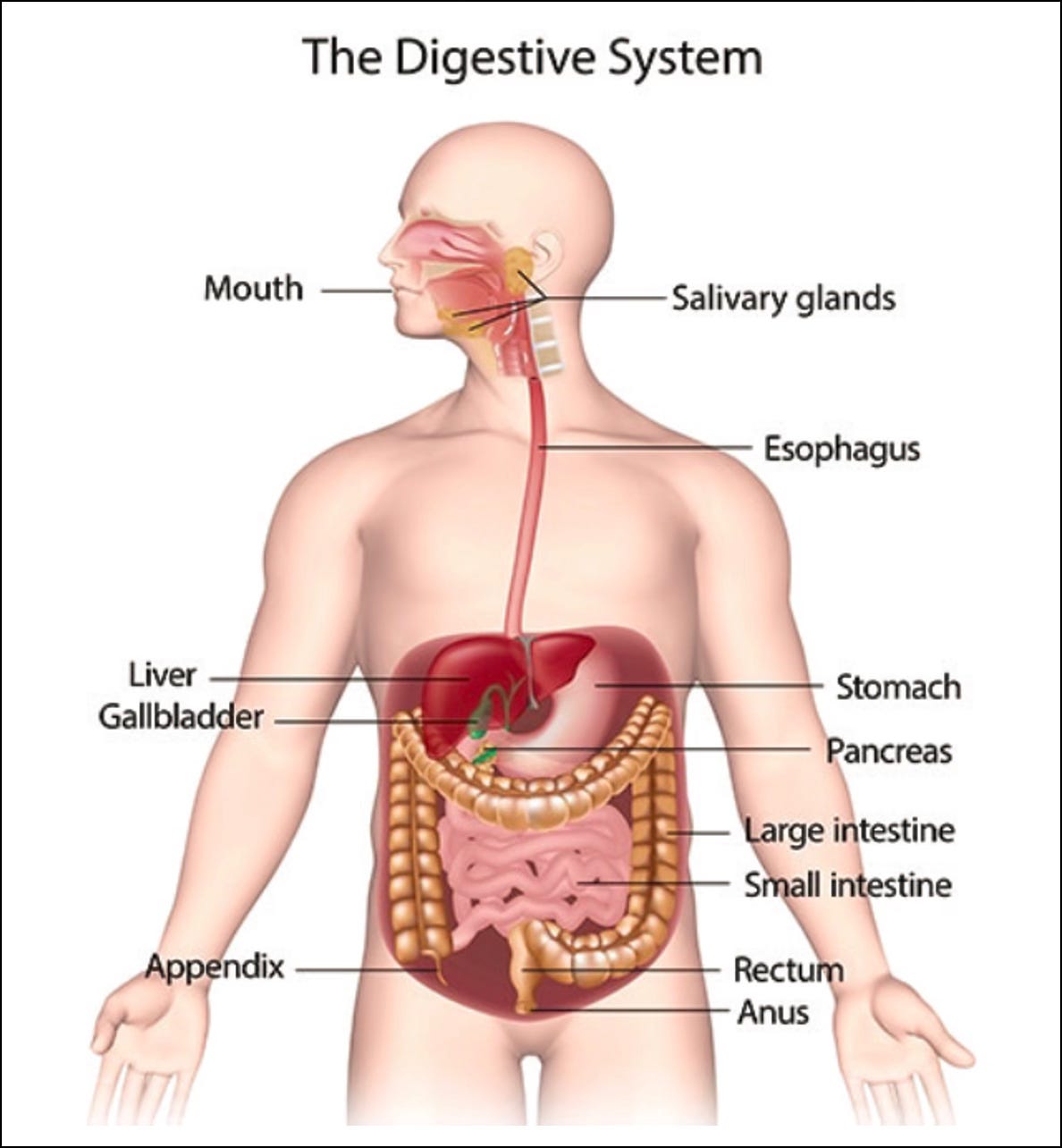
Let’s take a look at your digestive system:
HELICOBACTER PYLORI (H. PYLORI)
If you get back a positive H. pylori result in a stool or a positive serum antibody test (implying past exposure at some point in time) you have to know whether this bacteria is causing symptoms. H. pylori is associated with gastritis (inflammation in the upper stomach), gastric and peptic ulcer disease (gastric ulcers only involves the stomach, whereas peptic ulcers involve ulcers in the stomach and duodenum) and is associated with gastric carcinoma. Symptoms usually include upper, burning or gnawing sensations in the stomach, along with heartburn, bloating, early satiety (getting filled up with small amounts of food), abdominal fullness, and nausea. Vomiting is only seen if there is obstruction. Diarrhea would only be noted due to Zollinger-Ellison Syndrome (a hormone causing increased acid production, where you need to check gastrin levels). Alarm symptoms--those symptoms requiring immediate intervention! -- include weight loss, persistent vomiting, and GI bleeding. For those older than 60, this can be consistent with gastric cancer.
Other Testing: An upper endoscopy (EGD) with a biopsy of the ulcer to rule out gastric cancer is important, but for those under 60, a urea breath test or stool antigen is fine if there are no alarm symptoms, in order to consider treatment. Differential diagnoses should include pancreatitis, pancreatic cancer, biliary colic, gastritis, gastroesophageal reflux disease (GERD), and irritable bowel syndrome (IBS, functional pain syndromes).
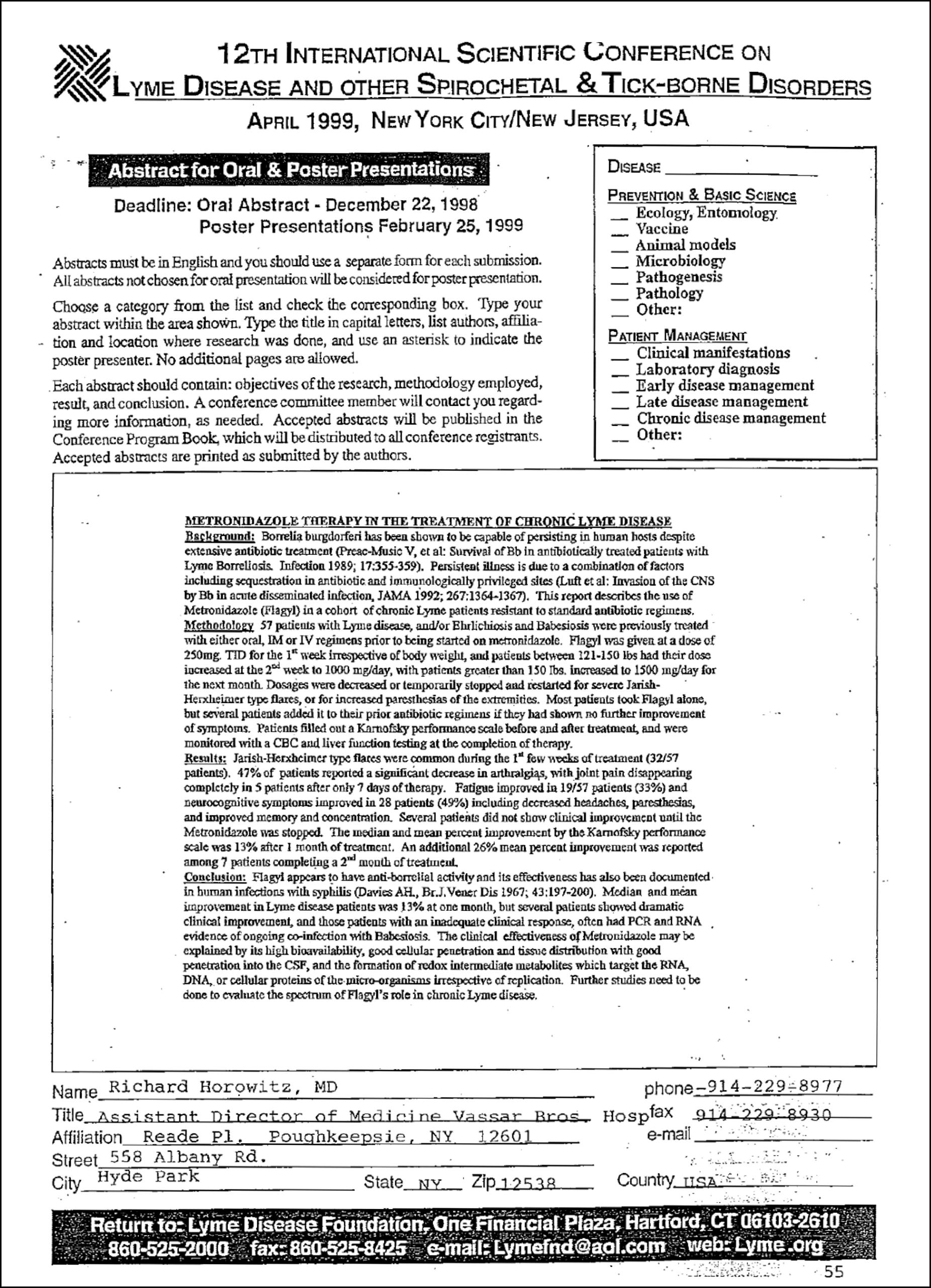
Mainstream Treatment: First-line therapy for a confirmed gastric ulcer is stopping NSAIDS, smoking and alcohol (irritants), and using a proton pump inhibitor (PPI) for 4-8 weeks, depending on ulcer size and healing. When H. pylori is active, PPI-based standard triple therapy consists of a PPI (like omeprazole 20 mg), amoxicillin (1000 mg), and clarithromycin (500 mg) 2x/day for 10 days; Check with your local gastroenterologist if there is antibiotic resistance in your area. If so, or if it is unsuccessful, bismuth quadruple therapy (a PPI, bismuth 120 mg 4x/day, tetracycline HCL 500 mg 4x/day, with metronidazole 500 mg 3x/day) is the next-line therapy if H. pylori is confirmed. Therapy-induced adverse events are observed in most studies, related to gastrointestinal symptoms including nausea, dyspepsia, bloating, and diarrhea. Some non-gastrointestinal symptoms such as headache and dizziness are also usually reported. I discovered the use of Flagyl (metronidazole) for chronic Lyme disease over 25 years ago when treating our patients for H. pylori with the first protocol, and noticed Herxheimer reactions, then improvement. This abstract was published in 1999:
Due to rising antibiotic resistance rates for H. Pylori, to minimize gut microbiota disruption and also improve patient adherence due to the above side effects, an interest in alternative therapies has increased. In my opinion, they should be considered with the above protocols (like triple therapy, especially in those with chronic Lyme disease, because Flagyl can cause massive Herxheimer reactions and temporary increases in neuropathy!). However, despite encouraging pre-clinical data, there is a lack of high-quality, large-scale randomized controlled trials.
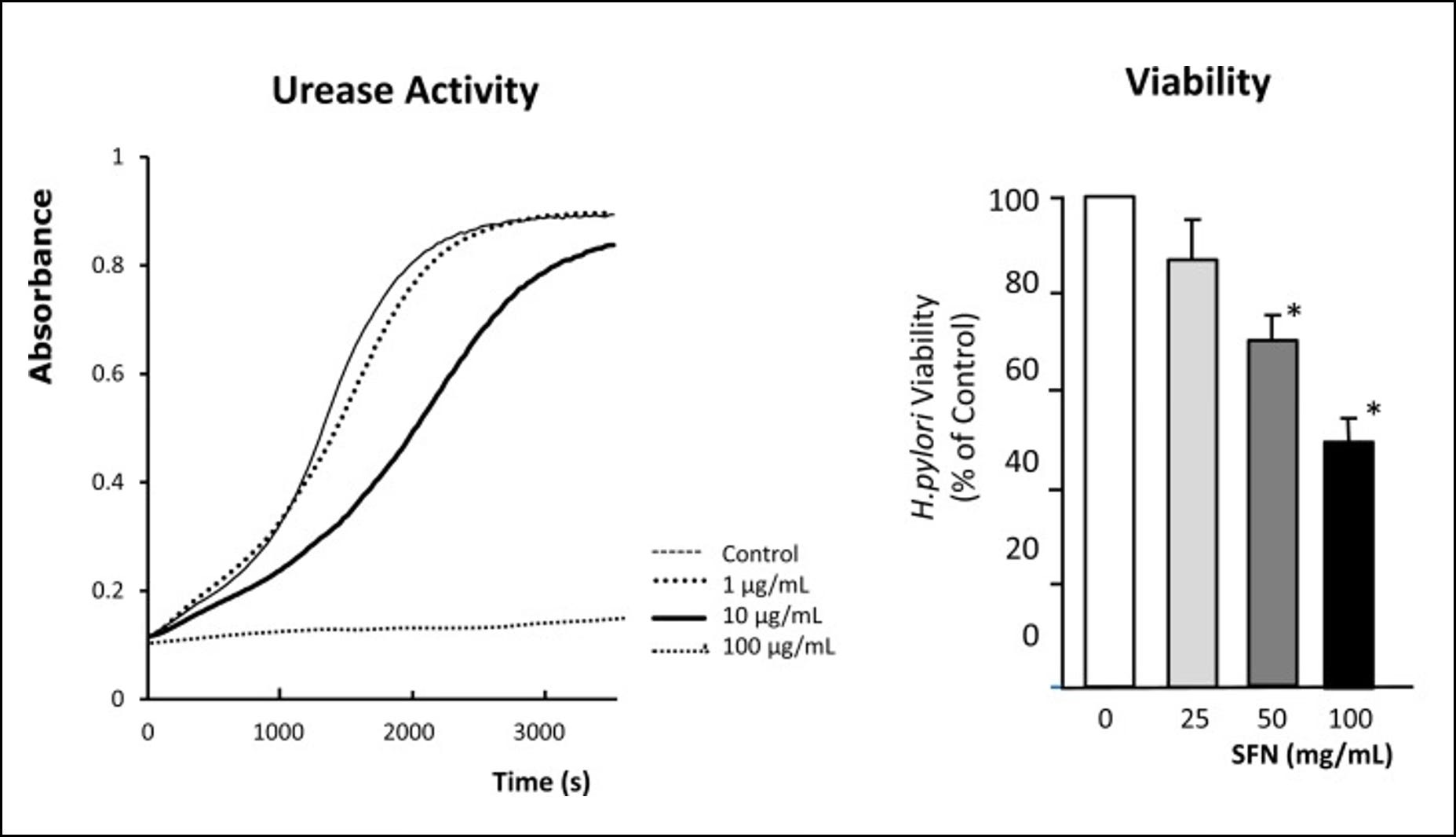
Integrative Therapies: Phytochemicals are supported in the scientific literature to control H. pylori. They exert their effects via inhibition of H. pylori urease, disruption of bacterial adhesion to the gastric mucosa, and modulation of host immune responses. Garlic (allium sativum), green tea (camellia sinensis), apple polyphenols, and finger-root (Boesenbergia rotunda), along with probiotics (Lactobacillus, Bifidobacterium, Saccharomyces boulardii) which enhance eradication rates, combined with broccoli sprouts (sulforaphane glucosinolate), manuka honey, mastic gum, and licorice root (deglycyrrhizinated licorice, DGL) all have the best scientific validation.
CELIAC DISEASE WITH CHRONIC DIARRHEA AND MALABSORPTION
Celiac disease (CeD) can cause mid or lower abdominal pain but can be diffuse and may present as a multisystemic illness with malabsorption or subtle symptoms, such as constipation, iron deficiency anemia, osteoporosis, and Dermatitis Herpetiformis with itchy blisters and bumps. Genetic markers HLA DQ2 and HLA-DQ8 are frequently associated with CeD and confirm its etiology. In non-celiac gluten sensitivity, gluten grains provoke intestinal and extra-intestinal symptoms—and the symptoms are the same! Many individuals assume they are gluten sensitive because of reactions to foods. Keep in mind that these reactions may be due to mast cell activation, microbiome disruption, Candida, and even pesticides and contaminants in foods (I notice my GI system prefers eating croissants and breads in France…and feel better, but there could be other reasons for that!). See the testing below to confirm whether you actually do have either celiac or non-celiac gluten sensitivity. This is important, because staying on a strict gluten-free diet is not only difficult, but can be loaded with simple carbohydrates if you are eating a lot of gluten-free snacks.
Testing: Tissue trans-glutaminase IgA (tTG-IgA) on a gluten diet, with a Total IgA to R/O IgA deficiency is important, along with an endomysial AB (EMA) to prove true celiac disease. An upper endoscopy with biopsy is required for confirmation if there is a low positive tTG-IgA deficiency. A positive anti-gliadin antibody and negative tTG and EMA suggests non-celiac gluten sensitivity (very frequent in my practice!).
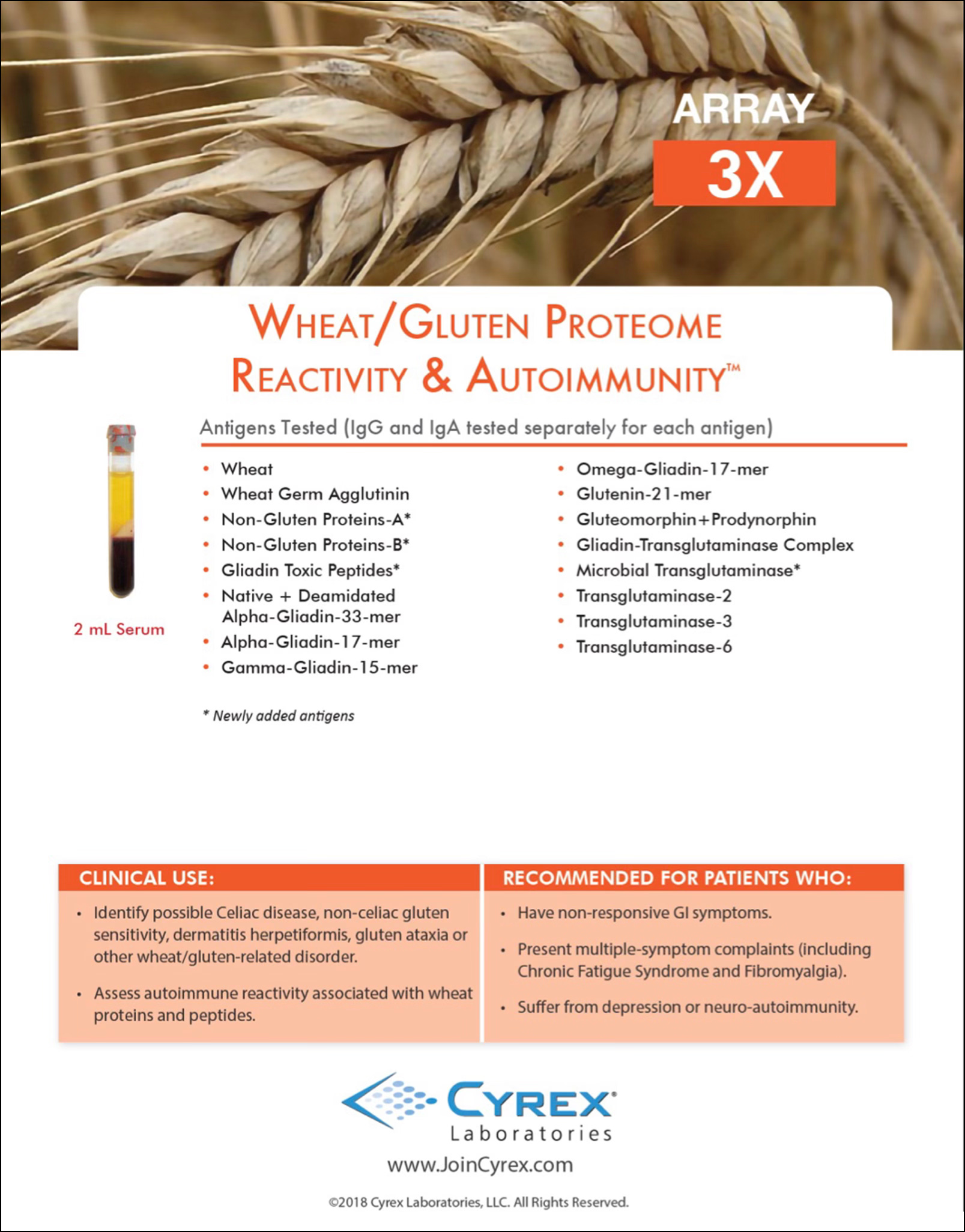
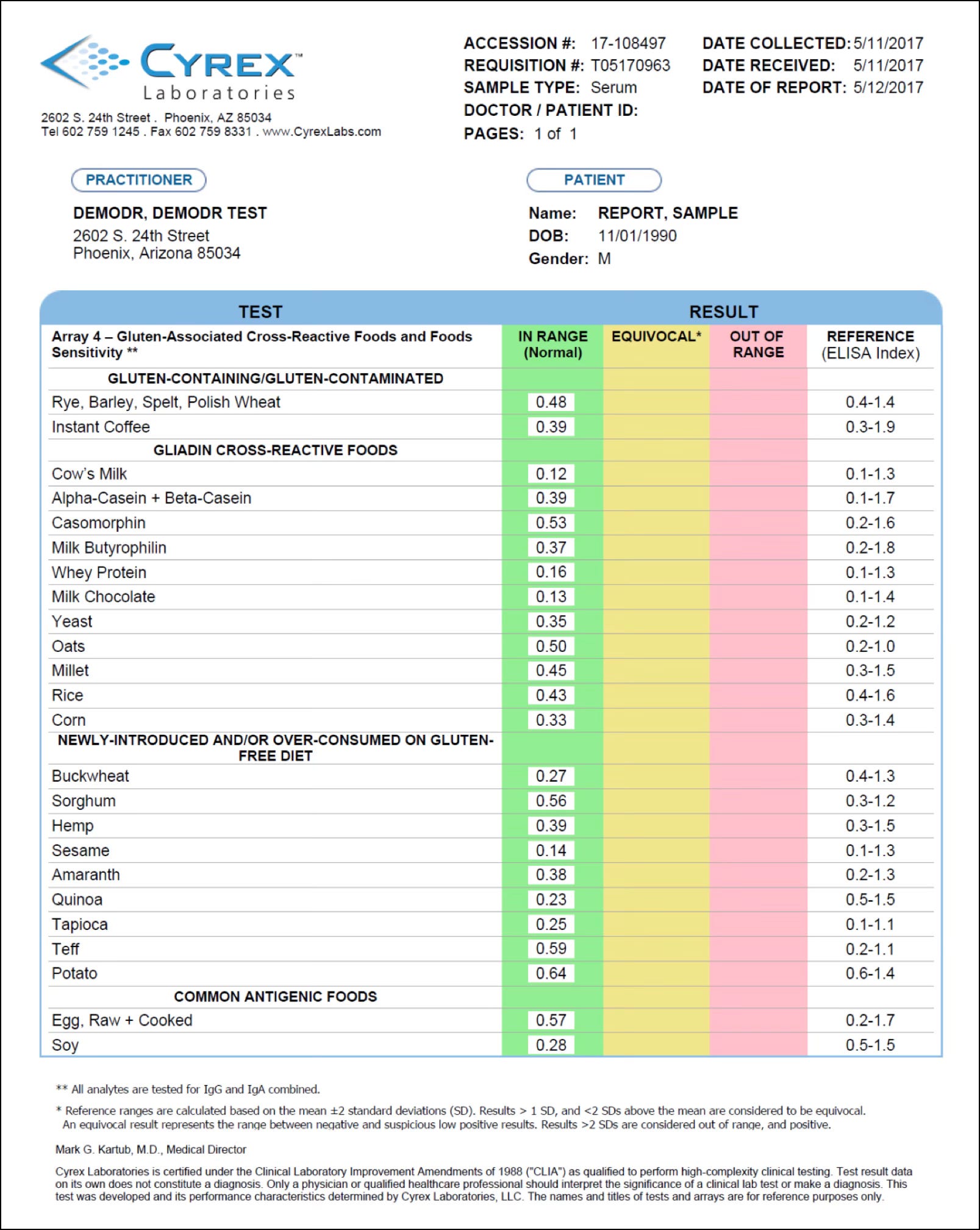
Other Testing: The Cyrex Array 3–Wheat Gluten Autoimmunity Reactivity Profile can help determine sensitivity to multiple gluten antigens. The Cyrex Gluten Cross-Reactive Foods--Array 4 expands the understanding of food sensitivities, particularly in the context of gluten-related disorders and cross-reactive foods.
Differential Diagnoses of CeD: These include irritable bowel syndrome (IBS), SIBO, Inflammatory Bowel Disease (IBD), microscopic colitis, and other causes of malabsorption such as autoimmune enteropathy with chronic diarrhea and malabsorption. If you have CeD, a strict lifelong adherence to a gluten-free diet off wheat, barley, and rye is needed. In non-celiac gluten sensitivity, you still need to avoid gluten. The degree and duration of gluten avoidance can be individualized however, as some patients may tolerate small amounts of gluten or cross-contamination without symptoms, so consider re-introducing gluten after 12-24 months if symptoms resolve. A dietitian should be involved to educate and monitor, since unresponsive CeD with ongoing GI symptoms can be due to unintentional gluten contamination.
LOW SECRETORY IgA (sIgA), ELEVATED ZONULIN WITH LEAKY GUT/MULTIPLE IgG4 FOOD SENSITIVITIES
The immune function in your gut is measured by Secretory IgA (sIgA). High levels can indicate a chronic infection, while low levels suggest an impaired immune response that could allow bacteria to overgrow. Leaky gut/intestinal hyperpermeability can be associated with low sIgA and usually causes lower abdominal discomfort, but it can be asymptomatic without pain. It is associated with certain allergic diseases (asthma, allergic rhinitis), food allergies and sensitivity, and linked to certain autoimmune diseases (rheumatoid arthritis, MS, ankylosing spondylitis) and metabolic diseases like type II diabetes and fatty liver disease. It is also associated with neuro-psychiatric illnesses, as food antigens and Lipopolysaccharides can get across the leaky intestinal barrier, increasing systemic inflammation, which can lead to a leaky blood-brain-barrier, causing neuroinflammation and changes in neurotransmitters.
How to Suspect it: You may have immediate reactions to foods due to Mast Cell Activation Syndrome (MCAS) or delayed sensitivity with increased itching, sneezing, wheezing, nasal congestion, bloating, cramping, and food intolerance. It can be associated with inflammatory bowel disease (IBD), neuro-psychiatric diseases (Autism, Alzheimer’s disease, Parkinson’s disease, depression, and autoimmune illness).
See the previous Substack on leaky gut treatments:

ELEVATED FECAL CALPROTECTIN, EPX WITH INFLAMMATORY BOWEL DISEASE
Elevated fecal calprotectin indicates neutrophil-driven inflammation. If you get back a positive on a GI Map or similar stool test, or an elevated eosinophil protein X, indicating eosinophil-driven inflammation and allergic responses, it implies there is active inflammation in the colon. Calprotectin can be particularly useful in distinguishing between serious inflammatory conditions like Inflammatory Bowel Disease (IBD) and non-inflammatory conditions like Irritable Bowel Syndrome (IBS). The two major diseases that need to be ruled out are Crohn’s disease and ulcerative colitis (UC) if these come back positive. Chronic diarrhea in Crohn’s only contains blood in a minority of cases (approximately 1/3), but bloody diarrhea with mucus is often present in UC and is a hallmark symptom. Vomiting is possible in small bowel Crohn’s. Generalized symptoms include fatigue, weight loss, and fevers. Extra-intestinal manifestations include arthritis, skin lesions (Erythema nodosum), and ocular inflammation. The diagnostic work-up includes a detailed history and physical, CBC, CMP, CRP, ESR, iron studies, albumin, and stool studies (excluding infections like C. difficile). Colonoscopy for both diseases with biopsy and an upper endoscopy w/ileoscopy for Crohn’s’, along with an MR/CT enterography can evaluate small bowel involvement in Crohn’s.
Differential Diagnosis: IBS, infectious, ischemic, and drug-induced colitis; or microscopic colitis with chronic diarrhea. Microscopic colitis can be due to PPIs, SSRIs, or NSAIDS. Do a colonoscopy with random biopsies and stool cultures to determine the etiology.
Mainstream Therapies: Treatment for Crohn’s varies based on disease type, location, and severity. Corticosteroids are usually used to induce remission, and immunomodulator therapies (azathioprine, methotrexate) and biologics (anti-TNF agents, anti-integrin, anti-IL12/23) are used for maintenance in moderate to severe disease.
For UC: aminosalicylates are used for mild disease, and corticosteroids for flares. Escalation to immunomodulator or biologics is reserved for moderate to severe disease or refractory cases. Surgery is reserved for complications or refractory disease.
Integrative Therapies: I have had success getting several Crohn’s and UC patients off their immunosuppressive medications using low dose naltrexone (LDN), working up to 4.5 mg/day while also treating their leaky gut, microbiome imbalances, MCAS, and overlapping sources of inflammation on the MSIDS map. LDN has been published to help IBD: https://pubmed.ncbi.nlm.nih.gov/29385430/
If you suffer from IBD, and have not been able to get off your immunosuppressive medications, speak to your doctor about a full MSIDS review and use of LDN.
PANCREATIC EXOCRINE INSUFFICIENCY
In its chronic form, recurrent pain is possible, with weight loss and fatty diarrhea (steatorrhea), due to decreased pancreatic enzymes, along with diabetes. Malabsorption can result in fat-soluble vitamin deficiencies and muscle wasting.
Testing: Checking a fecal elastase-1 level, fecal fat measurement, and fat-soluble vitamin measurements is useful for the diagnosis of pancreatic exocrine insufficiency.
Treatment: Pain management, pancreatic enzyme replacement (at least 30–40,000 IU with each meal and 15–20,000 IU with snacks), nutritional support, management of diabetes, and treatment of complications. I have had some success when the enzyme deficiencies are mild, using Xymogen’s Xymozyme or Panzyme, one 3x/day with meals and snacks.
LOW GASTRIC ACID (HYPOCHLORHYDRIA)
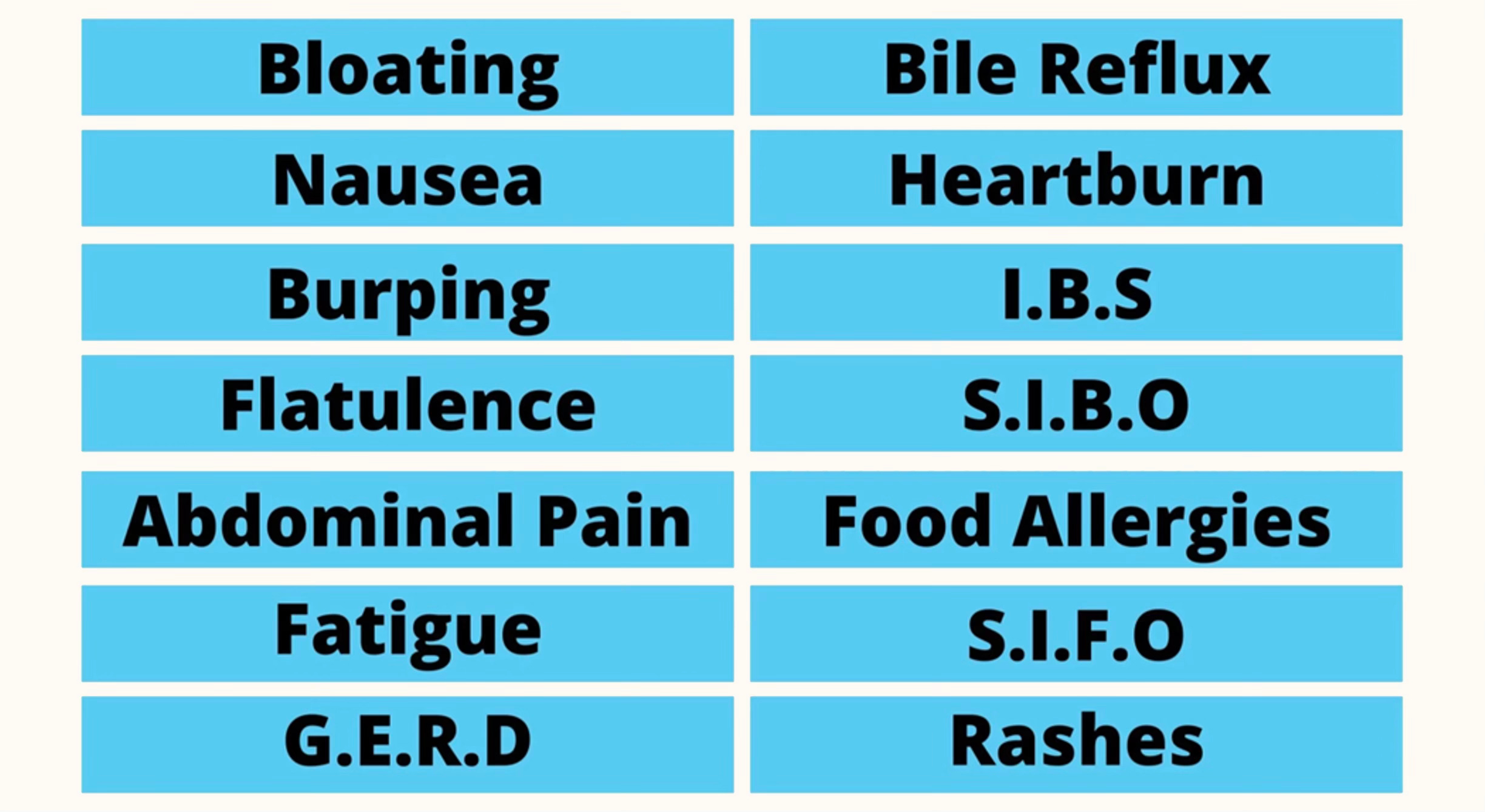
Hypochlorhydria (low stomach acid) can cause issues like bloating, poor digestion, nutrient deficiencies, and increased susceptibility to infections. It can be associated with SIBO (small intestinal bacterial overgrowth), SIFO (fungal overgrowth), gut dysbiosis, and other GI symptoms. See below:
Hypochlorhydria can be due to a chronic H. pylori infection, so eradication is first-line therapy to restore acid secretion in many patients. Other causes include autoimmune atrophic gastritis, associated with deficiencies in iron and B12, so those minerals and vitamins must be replaced. Acid replacement with betaine hydrochloride 1500 mg 3x/day with meals will help. Supplemental vitamin C can also be considered to reduce N-nitroso compound formation in those with decreased stomach acid, since these are potent carcinogens known to damage DNA and cause cancer.
Testing: If you suspect hypochlorhydria due to the above symptoms, the Heidelberg gastric acid test is a diagnostic procedure where you swallow a small, wireless pH capsule to measure stomach acid levels. After a baseline reading, you drink a baking soda solution, which temporarily neutralizes stomach acid. The test then measures how long it takes for the stomach to return to its normal, highly acidic state, indicating its ability to produce and secrete acid. This helps diagnose this condition.
This completes Part 4 of my microbiome/GI series on integrating mainstream and integrative testing strategies and treatments. Stay tuned for more gut conditions next week!