



There used to be a joke in one of my two lineages (not the Buddhist one) about bowel movements. It went something like this: the only thing Jewish people liked to do as they got older was to sit on park benches and talk about their bowel movements. I used to listen to my grandparents discuss with great interest whether they “went today or not,” whether it was well-formed, how difficult it was to go, etc. As a child, I never understood why anyone would find their BMs so interesting. Back then, the only profound relationship I had with poop was either using a regular whoopee cushion (a one-time joke) or the deluxe electronic version (where I was chastised at family gatherings).
So of course the joke is now on me. In my 10-year-old Tesla, there are at least 6 different fart sounds made by pressing a button on the steering wheel, which has amused my wife to no end (not), with frequent rolling eyes (as I hold my breath and accuse her of things she didn’t do while people are riding in the back seat). And because our understanding of the microbiome has grown tremendously in the last several decades-- where we recognize it as a crucial player in human health and disease--now I get why discussing BMs is so interesting. In fact, it’s fascinating!
What’s in Your Microbiome?
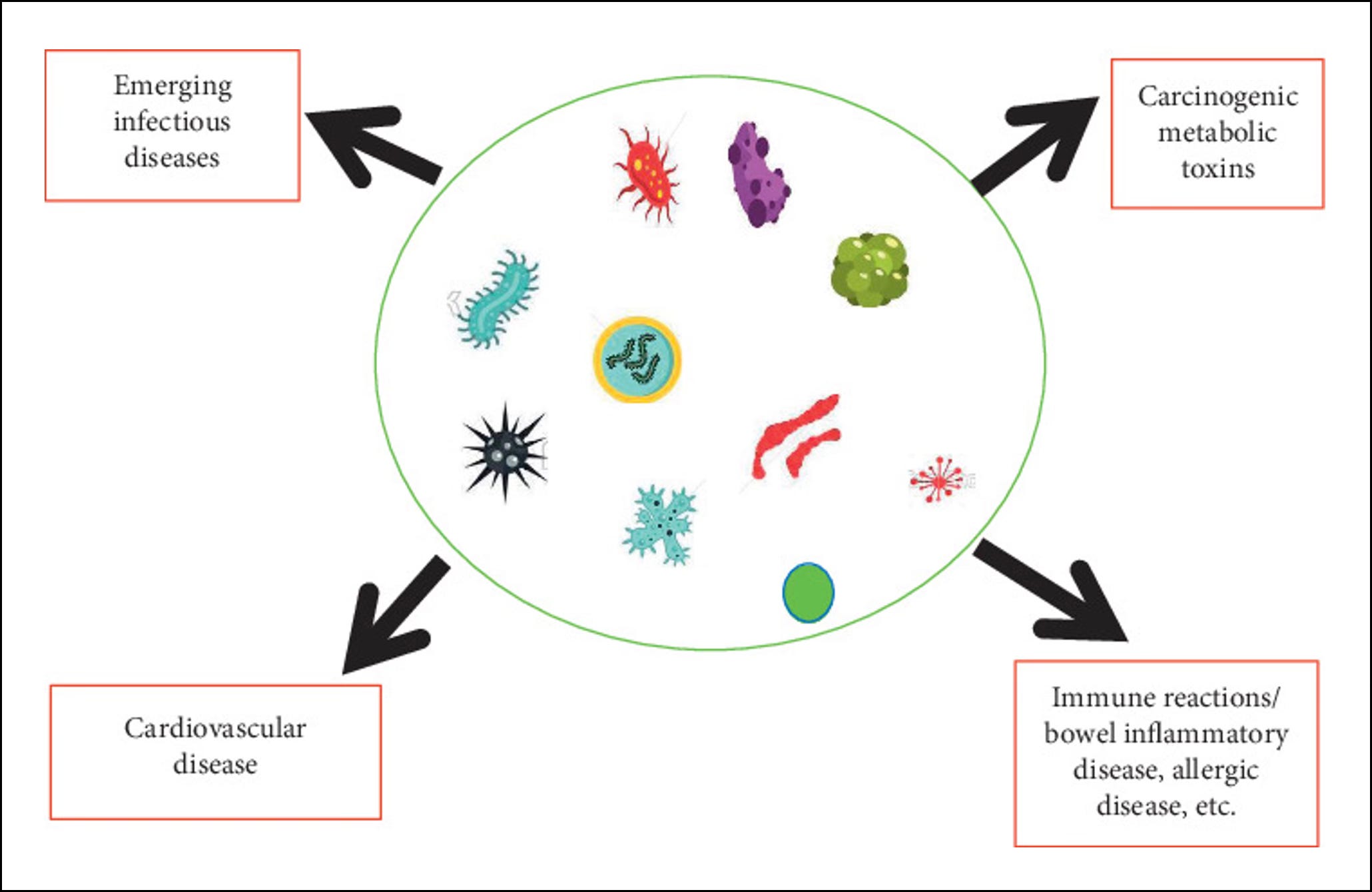
Your microbiome is the community of microorganisms including bacteria, viruses, fungi, and archaea (single-celled microorganisms, see below), that live in and on your body.
These microbes have an essential role in metabolic functions, while protecting you against pathogens, educating your immune system, and affecting the overall inflammatory state in your body. Since chronic inflammation underlies most chronic illness, it is essential to have a well-balanced and diverse microbiome if you are to stay healthy.
How Genetic Sequencing Identified the Role of Your Microbiome’s Microorganisms
Genetic sequencing has allowed us to figure out the role of these microorganisms in your health. The bacterial constituents of our microbial population were identified by sequencing their 16S rRNA-encoding genes (hereafter, referred to as 16S) and doing a metagenomic analysis, while analyzing the microbial transcriptome, proteome, and metabolome.
Metagenomics studies the complete set of genetic material from an entire community of organisms in a sample, revealing the community's potential functions.
Transcriptomics focuses on the transcripts (RNA molecules) produced by a cell or organism, showing which genes are actively expressed at a given time.
Proteomics identifies and quantifies all the proteins in a cell or tissue, providing insight into the cell's functional machinery.
Metabolomics analyzes the complete set of small-molecule metabolites, which represent the metabolic state and activity of a biological system under specific conditions.
The Bacteria in Your Microbiome
Bacteria are the primary residents of the gut microbiome, making up over 99% of its mass. They perform a multitude of essential functions, including digesting food, producing vitamins (like B vitamins and vitamin K), and creating short-chain fatty acids that provide energy to cells while having anti-inflammatory effects. A diverse and balanced bacterial community, with the prevalence of beneficial species, is a cornerstone of a healthy microbiome. Scientists have taken healthy individuals with healthy gut bacteria and done microbiome transplants into obese individuals with metabolic syndrome and reversed the disease process in those individuals. Right now we are primarily using microbiota transplants for diseases like resistant C. difficile diarrhea.
The Firmicutes/Bacteroidetes ratio (F/B ratio)
A metagenomic analysis of the bacterial composition of our microbiome is listed below. Among the 530 species from 57 families of bacteria, you will notice that the majority of dominant species are members of the Bacteroidetes family. The other dominant flora is Firmicutes. Why is this important? The ratio of these 2 bacteria is extremely important as it influences inflammation and disease processes. A high ratio of Firmicutes to Bacteroidetes, where Bacteroidetes are relatively low, is often associated with obesity and metabolic disorders such as diabetes and metabolic syndrome, as well as IBD, potentially contributing to chronic inflammation.
In contrast, a low F/B ratio (high Bacteroidetes relative to Firmicutes) is linked to a healthier gut profile, often associated with beneficial outcomes. This includes less chances of developing IBD in those genetically predisposed to getting Crohn’s or Ulcerative Colitis. This ratio improves as a plant-based diet replaces a meat-based diet, increasing the production of beneficial, anti-inflammatory short-chain fatty acids. Although the ratio of these 2 bacteria is extremely important, a reduction in gut Firmicutes levels below a certain point can also result in increased levels of proinflammatory cytokines worsening inflammation. Too much or too little Firmicutes is detrimental.
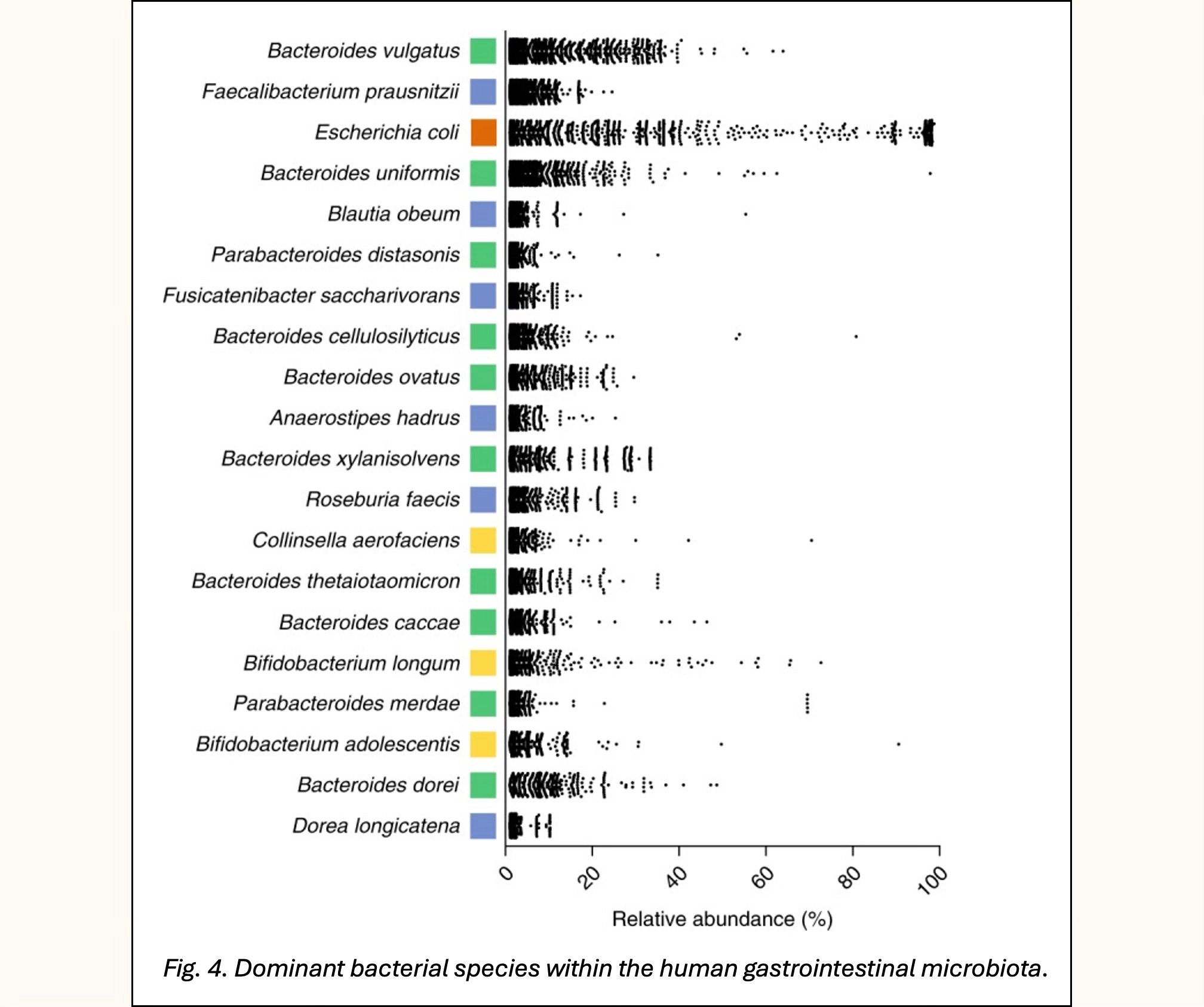
One extremely beneficial bacteria in lowering inflammation is F. prausnitizii, which you can see lies just below Bacteroidetes.
F. prausnitizii produces butyrate, which strengthens the intestinal barrier, reduces inflammation, and modulates the immune system. This key gut bacterium helps maintain overall gut health and is considered a biomarker of a healthy gut microbiome. It also plays a role in metabolism and may help protect against colon cancer and inflammatory bowel diseases. Eating a diet full of soluble and insoluble fiber supports your microbiome because it’s supporting beneficial butyrate-producing bacteria like F. prausnitizii.
Microbiome Bacteria and Your Cancer Risk
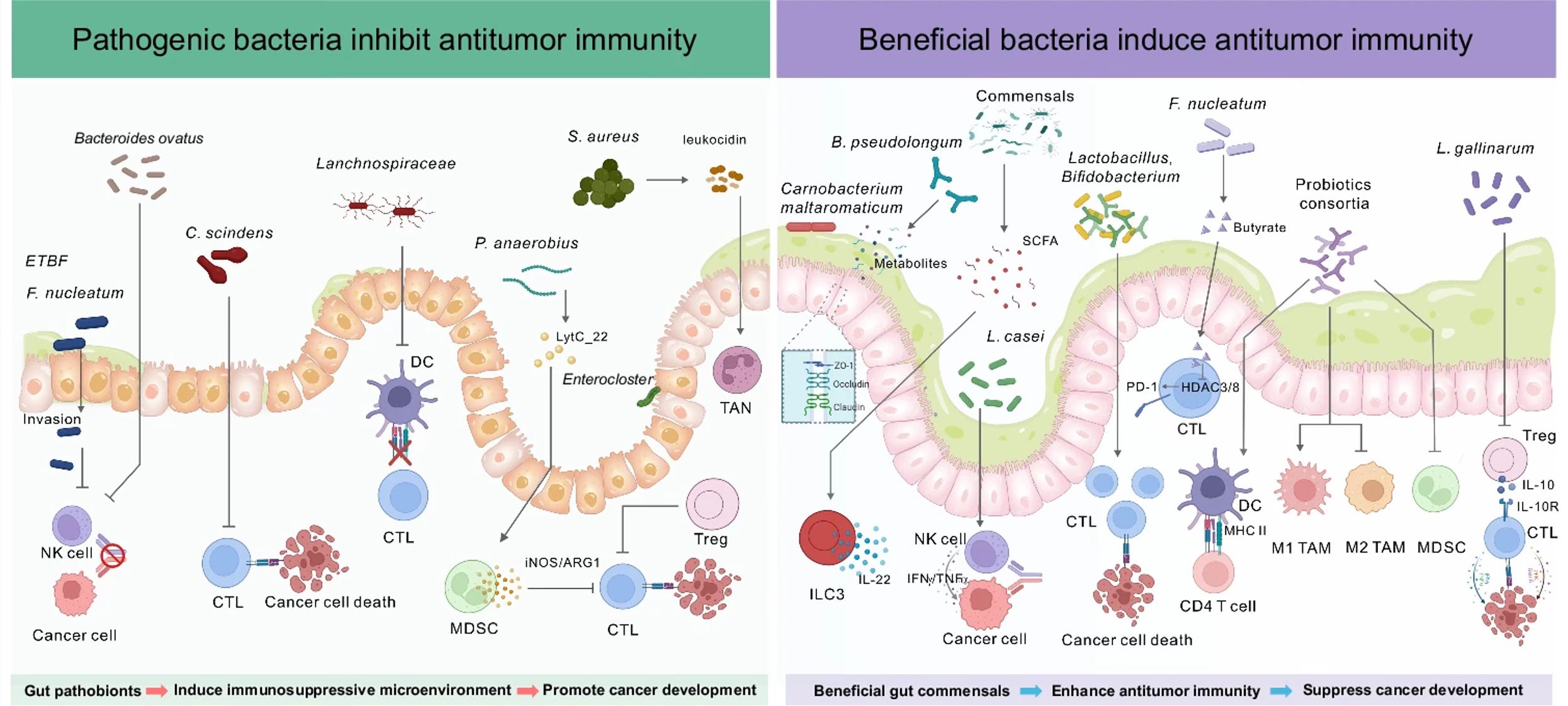
The types of bacteria in your microbiome also affect your risk of cancer. Certain pathogenic bacteria suppress your local immune system (called “gut pathobionts”), creating a more favorable microenvironment for tumors to form. Although a Western-style, high-fat diet, and cigarette smoking are associated with colon cancer (rates are increasing in the younger population), the types of bacteria also influence your risk. Not all Bacteroides are beneficial. Certain pathogenic bacteria, such as enterotoxigenic Bacteroides fragilis (ETBF) impair the gut barrier, which secretes virulence factors, particularly ETBF toxin, damaging the integrity of tight junctions and increasing intestinal permeability. This induces systemic inflammation. Once the gut barrier is breached, pattern recognition receptors (PRRs) are activated by gut-microbe derived pathogen-associated molecular patterns (PAMPs) and damage associated molecular patterns (DAMPs). You read about these in the Medical Detective Substack series on mitochondrial function. See below:


The activation of these receptors triggers chronic inflammation, which underlies a broad range of chronic illnesses, including cancer. On the other hand, beneficial bacteria, like Lactobacillus and Bifidobacterium, have anti-cancer effects. That is why the balance of these bacteria are so important in maintaining health.
The Viruses in Your Microbiome
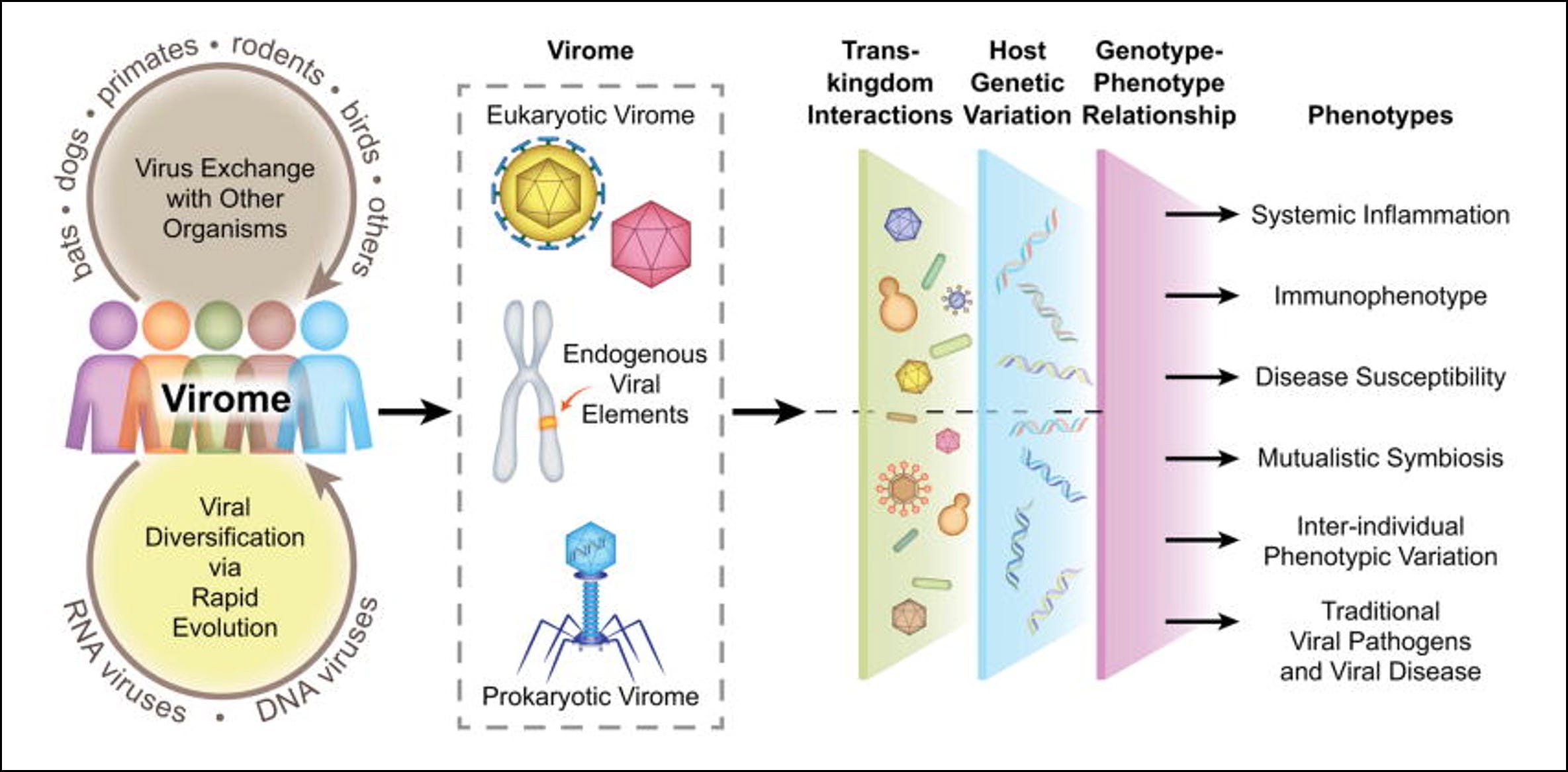
Viruses, specifically the human virome, also play a crucial role within the microbiome by modulating bacterial populations, influencing immune system development, and impacting long-term health outcomes. Your virome is dominated by bacterial phages, which infect and regulate bacterial communities, thereby maintaining or disrupting intestinal homeostasis. This regulation can be beneficial, promoting microbial diversity and resilience; or detrimental, contributing to dysbiosis and disease states such as IBD, diabetes, and even cancer. See the figure below regarding the importance of the virome in mammalian biology and emerging concepts of virome-host interactions and their relationship to host genetics, leading to inflammation and disease susceptibility vs symbiosis and disease resilience.
Components of the virome and their relationship to the genotype/phenotype relationship.
The Fungi in Your Microbiome
Fungi are an essential part of the human microbiome, collectively known as the mycobiome. Although outnumbered by bacteria, fungi have a disproportionate impact on human health due to their larger size, complex genetics, and unique metabolic functions. They exist in a dynamic balance with the host and other microbes, contributing beneficial effects under normal conditions while potentially causing harm when this equilibrium is disrupted. You can see from the images below, in a worldwide population study, that there are 4 main mycobiome enterotypes (saccharomyces, Candida, Penicillium and Ascomycota) that are stable across populations, but the Candida enterotype is elevated in the elderly population and confers an increased risk of multiple diseases associated with a compromised intestinal barrier.

Beneficial Effects of Microbiome Fungi
Training the Immune System: Commensal fungi, such as Candida albicans, help train the host's immune system. In a healthy state, they stimulate a specific immune response that protects against systemic infections from harmful fungal and bacterial pathogens.
Protection Against Pathogens: Some fungal species and their derivatives have direct antimicrobial effects against harmful bacteria. For instance, the probiotic yeast Saccharomyces boulardii helps protect against infections from bacteria like Clostridium difficile and E. coli by enhancing the host's immune response and competing with the pathogens.
Aiding Nutrient Absorption and Metabolism: Fungi contribute to the processing of food and help the body absorb key nutrients. They are also involved in the breakdown of dietary carbohydrates.
Influencing the Gut-Brain Axis: The mycobiome communicates with the brain via the gut-brain axis, influencing neural function and behaviors.
Strengthening the Gut Barrier: Certain non-pathogenic fungi, and their components like β-glucans, can enhance the integrity of the intestinal barrier. A stronger gut barrier prevents unwanted substances from entering the bloodstream (leaky gut) and reduces inflammation. I take Beta glucan on a daily basis (Immunotix, Xymogen) to support my immune system and help decrease leaky gut.
Harmful Effects of Microbiome Fungi
Opportunistic Infections: Under certain conditions, such as antibiotic use, immunosuppression, or illness, fungi can become pathogenic. For example, when antibiotics kill competing bacteria, Candida albicans can proliferate uncontrollably, leading to infections like oral thrush or more severe invasive candidiasis. Some of my patients with a chronic fatiguing, musculoskeletal, neuropsychiatric illness have a Candida overgrowth in the GI tract. Once they cut back on simple carbohydrates and take anti-fungals like fluconazole or itraconazole, they feel tremendously better.
Exacerbating Intestinal Inflammation: Fungal dysbiosis, or an imbalance in the fungal community, is linked to inflammatory diseases like IBD. In patients with IBD, certain fungi, like Candida albicans, overgrow and produce toxins that damage the intestinal barrier, increasing permeability and exacerbating inflammation.
Contributing to Cancer Development: Research has shown links between fungal communities and various cancers, particularly gastrointestinal cancers. Not only do some bacteria stimulate cancer, as discussed above, but some pathogenic fungi can stimulate pro-tumor immune responses. An enriched abundance of the fungus Malassezia has been observed in pancreatic tumors and may promote tumor growth.
Producing Toxic Metabolites: While we usually look for external sources of mold, ingesting mycotoxins in foods can cause organ damage and other adverse health effects if ingested.
The Archaebacteria in Your Microbiome: Our 4th Type of Microbe
Archaebacteria (Latin, derivative archaic) are believed to be among the oldest life forms on Earth. They are prokaryotes--single-celled microorganisms, i.e., bacteria that lack a nucleus and other membrane-bound organelles. These archaebacteria have unique characteristics that allow them to live in extreme environments where other organisms cannot survive, such as high temperatures (thermophiles, which can live in hot springs and volcanoes), high salinity (halophiles, found in highly salty environments like salt lakes), or low pH. This is why they are called “extremophiles.”
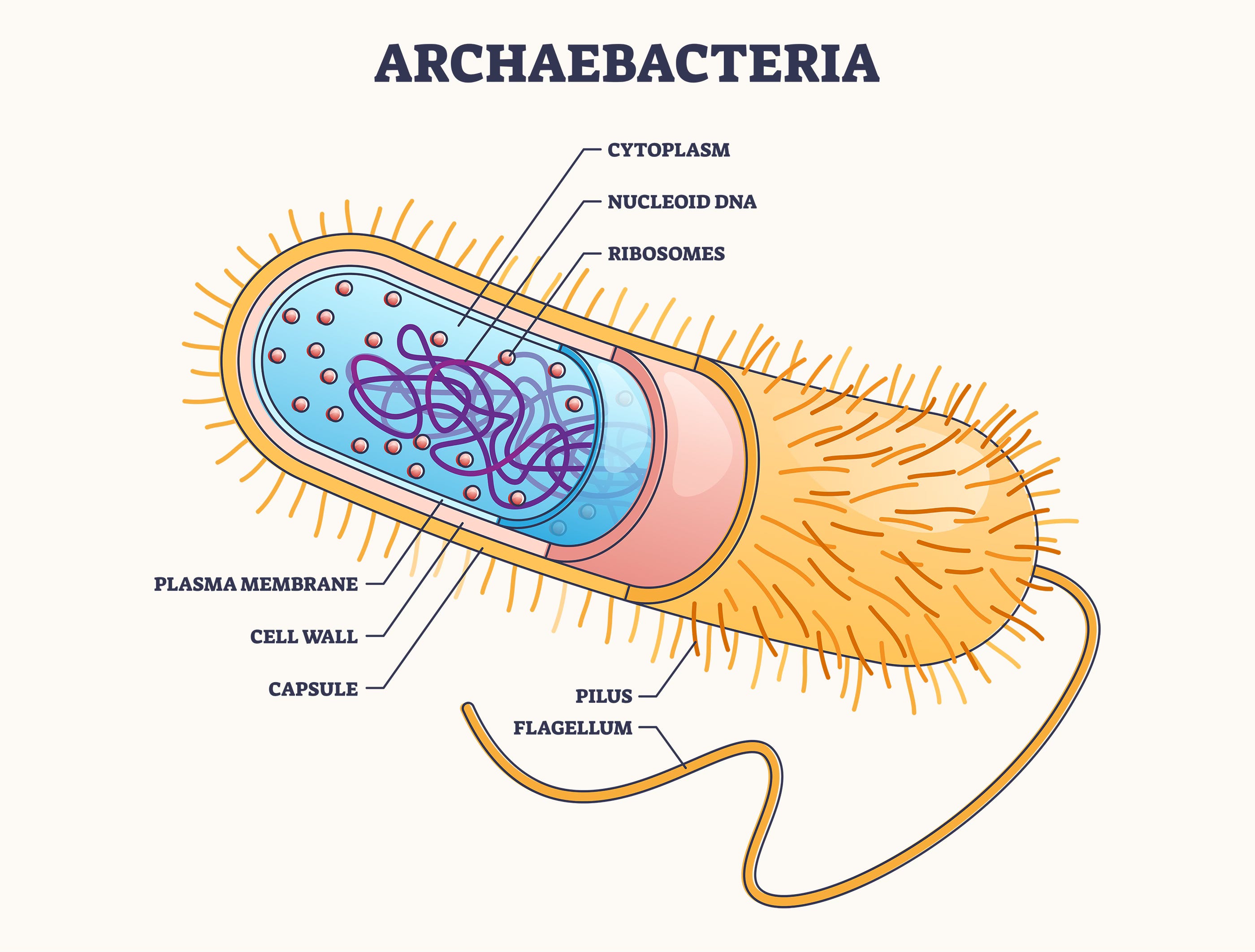
Archaebacteria in your GI tract include methanogens (which produce methane, whose existence supports the successful whoopee cushion industry), and can be associated with small intestinal bacterial overgrowth (SIBO), especially methane- predominant forms and irritable bowel syndrome. They do, however, also have beneficial roles. For example, they reduce the production of trimethylamine N-oxide (TMAO), a compound linked to cardiovascular disease, when red meat is broken down in the intestines. Other bacterial end products released by gut microbiota affect cancer production (encouraging carcinogenesis or suppressing it) and our immunity, and can increase or decrease the risk of IBD.
Part 2 of this microbiome series will discuss specific disease states associated with dysbiosis. Stay tuned!