


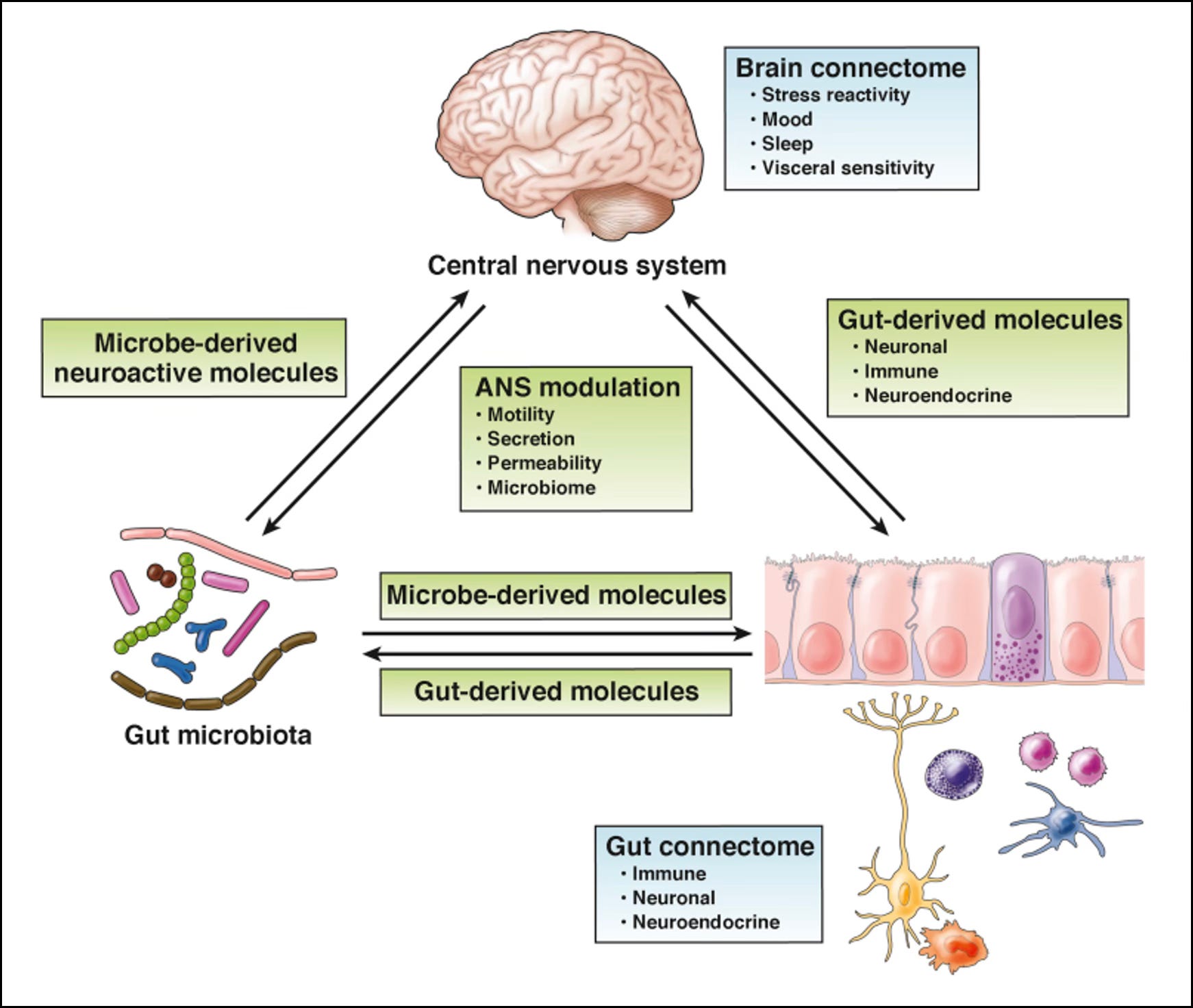
As you learned in the previous 2 Substacks, a healthy microbiome plays a central role in maintaining health by supporting digestion, modulating immune responses, protecting against pathogens, and producing essential metabolites such as short-chain fatty acids (SCFAs), vitamins, and neurotransmitters. These all play an essential role in inflammatory reactions in the body, which underlies most chronic illness. Some of these effects are via the gut/brain axis, gut/microbiome/brain axis and gut/liver/microbiome axis. These are bidirectional communication networks that connect the gut, microbiome, and liver with the Central Nervous System, providing key pathways through which the microbiome can influence conditions beyond the digestive system. See below:
As an example, there is an important relationship linking the microbiome with a healthy heart. The gut microbiome is important for cardiometabolic health, as dysbiosis has been linked to obesity, diabetes, hypertension, dyslipidemia, and atherosclerosis. The illustration below shows these complex interactions that we have only begun to learn about over the past few years.
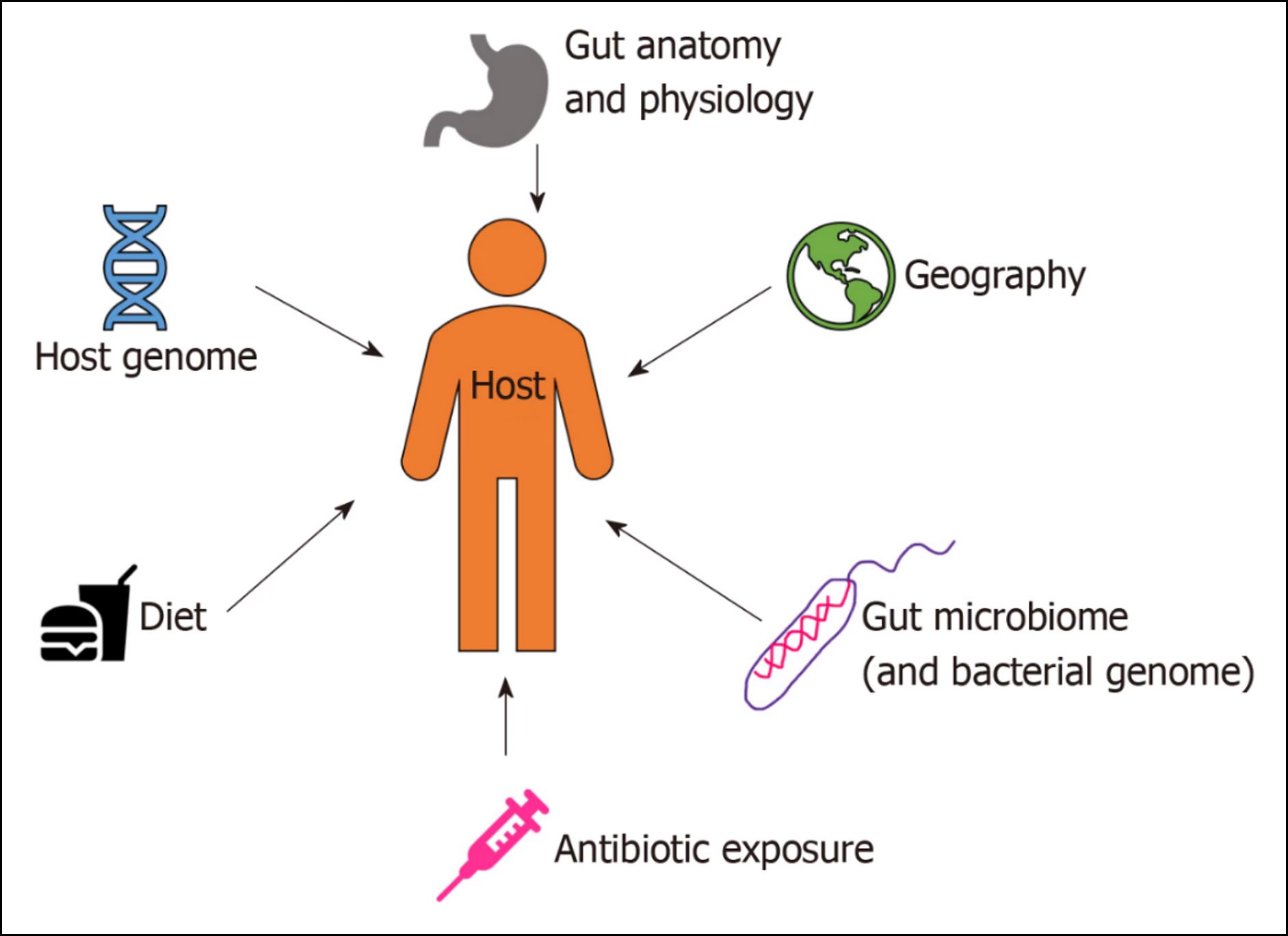
What Disrupts Your Microbiome?
The primary factors that disrupt your microbiome include antibiotic use, dietary changes, infections, chronic disease, medications (including immunosuppressants used for Inflammatory Bowel Disease [IBD]), xenobiotics, environmental toxins, stress, aging, and even surgical interventions.
Even when you don’t take antibiotics for an infection, and try to eat a healthy diet, you have multiple factors regularly disrupting the balance of your microbiome.
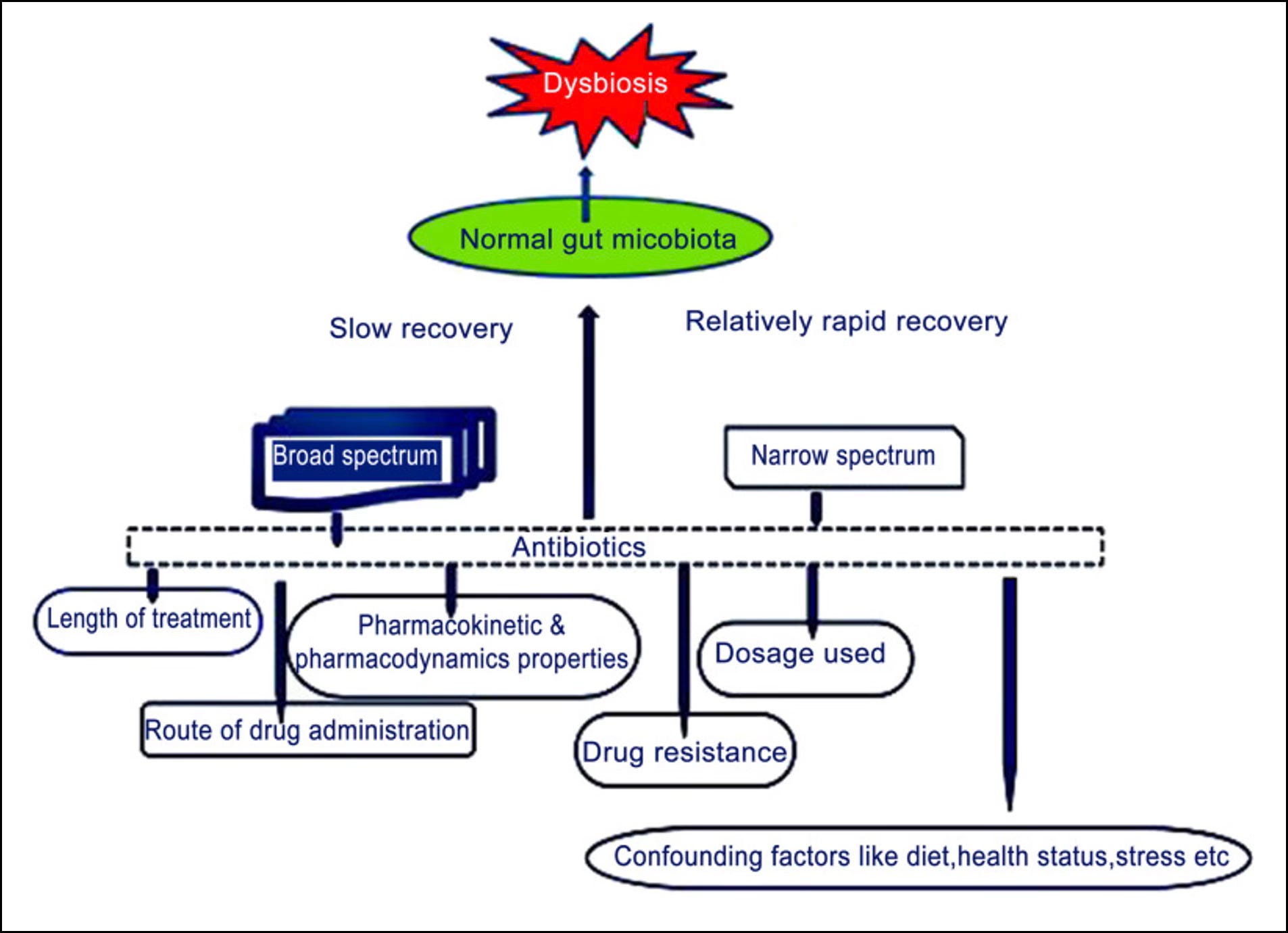
Animal products: Most animal feed contains antibiotics, so whenever you eat meat, you are getting indirect exposure to antibiotics. The image below shows how the dose and type of antibiotics, length of treatment, and overlapping factors (diet, health status, stress, etc.) affects dysbiosis.
Environmental Chemicals: Environmental chemicals combined with a Western-style diet, high in fat and sugar and low in fiber, significantly affect dysbiosis and the risk of colon cancer. They cause immune modulation, chronic intestinal inflammation, and disrupt gut barrier integrity thereby causing leaky gut, increasing systemic inflammation.
Environmental Toxins: The consumption of chlorinated water, food additives and contaminants such as heavy metals, pesticides, organic pollutants, and microplastics, (that we are all now exposed to) have a concerning effect on the microbiome. A recent study by researchers from Taiwan, fed mice polystyrene nanoplastics for 12 weeks, and found 2 proteins that normally keep the gut sealed and protected became less abundant (leaky gut is a major factor in driving inflammation in the body). The beneficial bacteria Lactobacillus decreased, the potentially harmful bacteria Ruminococcaceae increased, while bacteria from the genera Lachnospiraceae ate some of the nanoplastics.
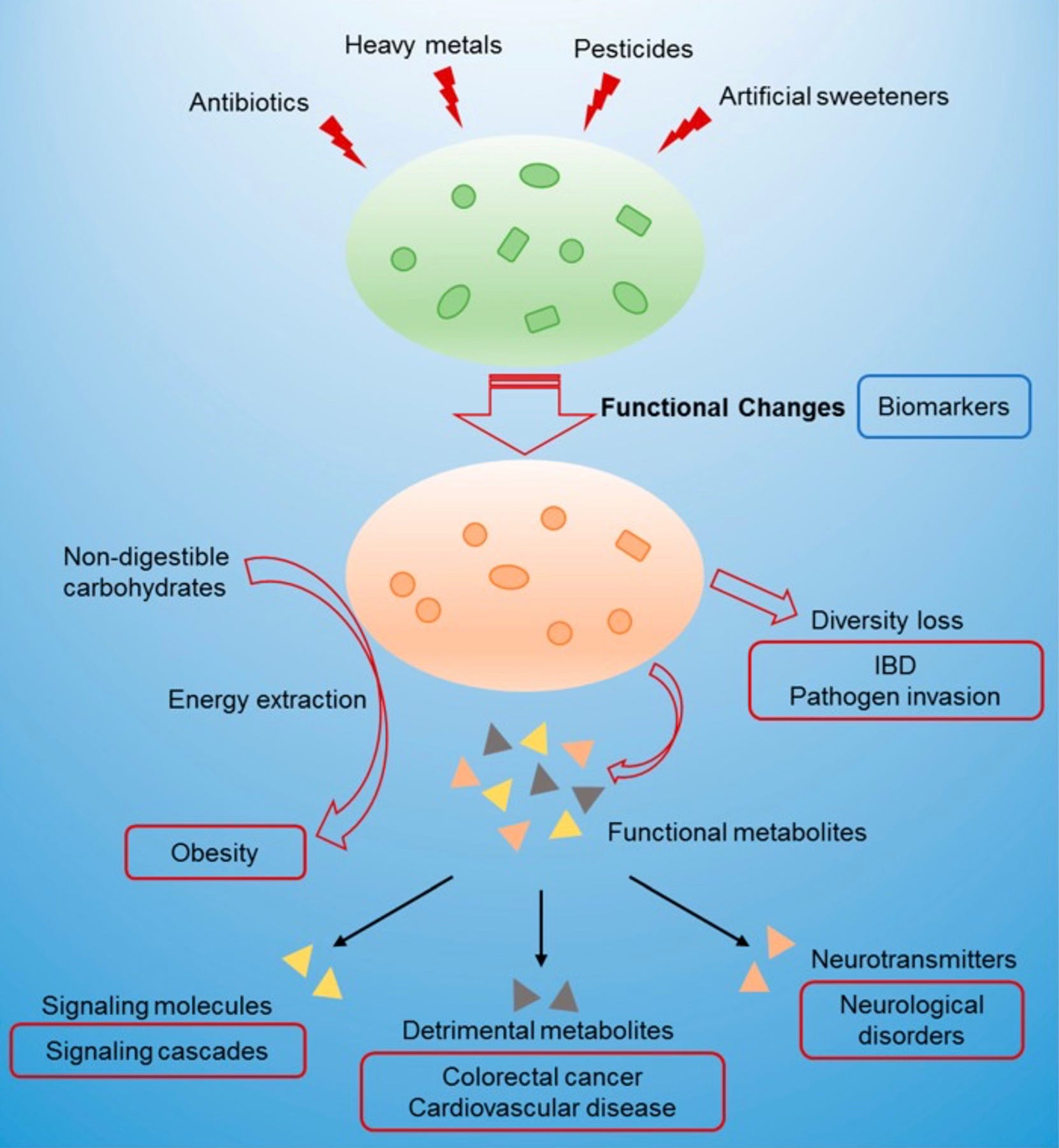
The image below shows how combining antibiotics with environmental toxicants such as heavy metals, pesticides, and artificial sweeteners lead to dysbiosis with loss of diversity, subsequently increasing the risks of cancer, obesity, and cardiovascular disease as well as neurological illness.
A recent scientific publication found that several species of human gut bacteria can absorb and store PFAS! For those of you following the news about environmental toxicology, you know how damaging PFAS, PFOA, and derived chemicals are, and how difficult they are to remove. Which is why they are called “forever” chemicals.
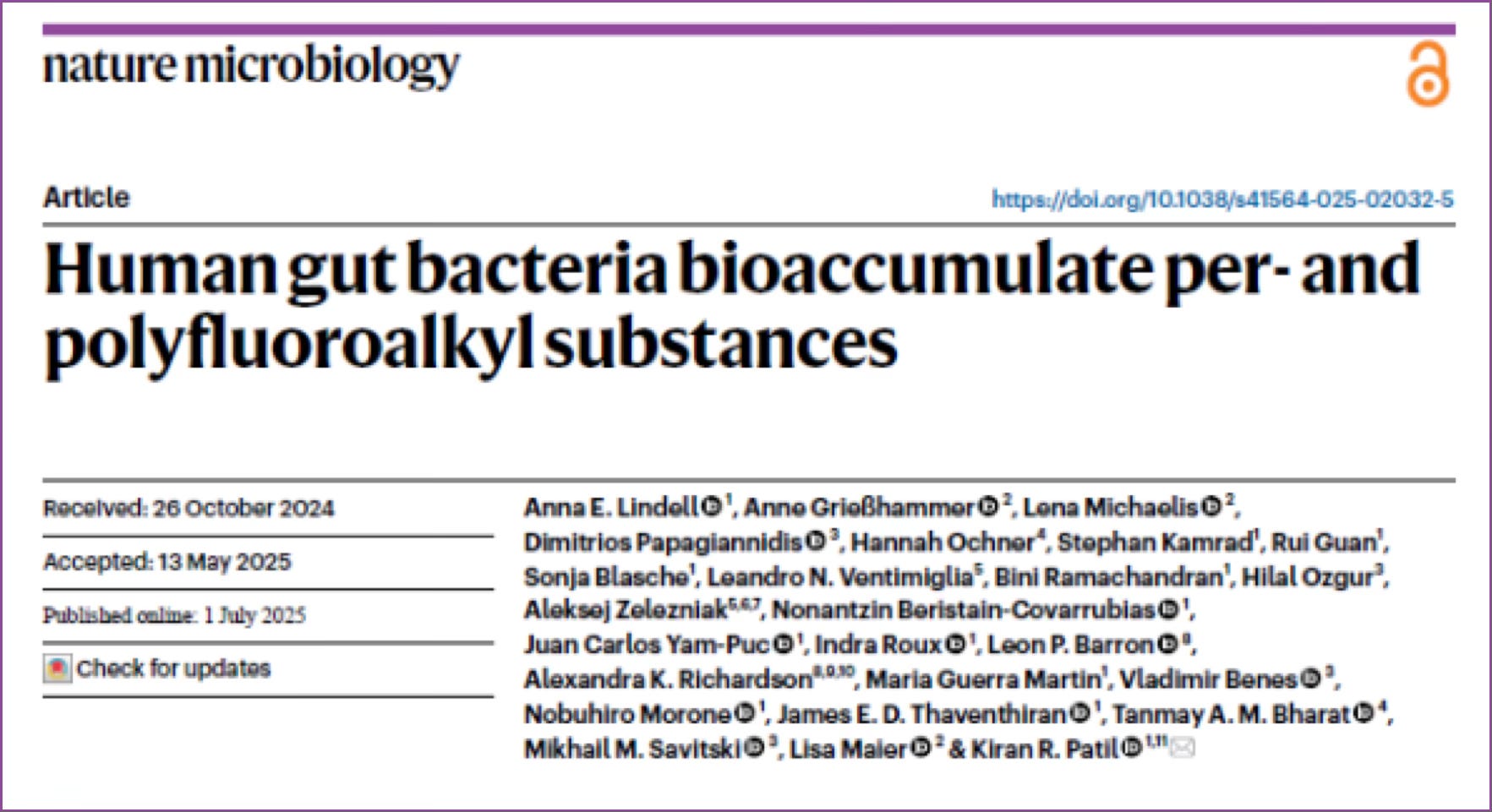
The researchers found a total of 38 different gut bacterial strains able to absorb forever chemicals at a variety of concentrations, with the fiber-degrading bacterium Bacteroides uniformis one of the best, along with strains of E. coli. Forever chemicals are associated with a broad-range of adverse health effects due to their persistence and bioaccumulation, so having healthy gut bacteria to sequester them and excrete them in our feces is extremely important. Why? PFAS accumulation can result in low birth weight, preeclampsia, reproductive toxicity, impaired vaccine responsiveness with immunosuppression, thyroid dysfunction, metabolic syndrome, hypertension, obesity, dyslipidemia, and certain cancers (e.g., kidney and testicular cancer). The need to have a healthy microbiome takes on a whole different dimension in health knowing how toxic these environmental chemicals affect us with few ways of getting rid of them!
The Role of Mycotoxins in Dysbiosis: Apart from microplastics and PFAS/forever chemicals, mycotoxins also cause dysbiosis. Molds can contaminate crops and food products either during pre-harvest or post-harvest (during storage and processing) and include primarily Aspergillus, Fusarium, and Penicillium species. These fungi thrive under conditions of elevated humidity and temperature (which are now more frequent with climate change) along with poor storage. This leads to contamination of cereals (wheat, maize, rice, barley), nuts (peanuts, tree nuts), oilseeds, dried fruits, coffee beans (Oy!) and animal-derived products through carryover from contaminated feed. Approximately 90% of my patients are now testing positive for multiple mycotoxins! See the prior Substack we did on the effects of mycotoxins in the body:

Use of Emulsifiers/Artificial Sweeteners: Commonly used emulsifiers like Polysorbate 80 (P80) and carboxymethylcellulose (CMC) negatively impact the gut microbiome, reducing beneficial bacteria while increasing inflammation. Emulsifiers such as carrageenans, lecithin, and sucrose also have adverse effects, including promoting disease-associated bacteria and disrupting the intestinal barrier. See the prior Medical Detective Substack on the range of effects of food additives and dyes:

Should We Support the Microbiome Even with Short Courses of Antibiotics?
Yes! Understanding how crucial the microbiome is in health, you may wonder how it is possible for doctors to give antibiotics, even short-term for an infection, without supporting the microbiome and using pre/probiotics. A short course of antibiotics can disrupt your gut microbiome for weeks to months, with recovery timelines varying significantly by individual and the specific antibiotic used. Some side effects last much longer--up to 6 months or more. See our prior Substack on the power and peril of antibiotic use:

Key consequences of this disruption include reduced bacterial diversity, depletion of beneficial flora, an increased risk of opportunistic infections like C. difficile-associated diarrhea, fungal overgrowth with Candida, and creating a potential reservoir for antibiotic-resistance genes (which can then spread to other bacteria, making them resistant to the antibiotics you just used). I regularly prescribe over one trillion colony-forming units (CFUs) a day, involving more than 16 strains of beneficial bacteria, when my patients do dapsone combination therapy for chronic Lyme disease. I also tell patients to stay on a very low carbohydrate diet to prevent yeast overgrowth. This is while using Nystatin and biofilm agents with essential oils that also help control Candida. I haven’t seen a case of C. difficile diarrhea in many years, and most patients, if they strictly follow my recommendations, have no problems with Candida. All healthcare professionals should give microbiome support when using antibiotics.
Pediatricians Especially Need to Support the Microbiome with Antibiotic Use
Early antibiotic exposure in children has been linked to a higher risk of developing chronic conditions such as allergies, asthma, and inflammatory bowel disease (IBD) later in life, yet pediatricians (unless they have studied functional medicine) are not necessarily taught to use probiotics unless a child has antibiotic-associated diarrhea (AAD)! Yet we know that specific probiotics significantly reduce the risk of AAD, such as Lactobacillus rhamnosus GG and Saccharomyces boulardii, as well as a combination of Bifidobacterium lactis and Streptococcus thermophilus. Understanding the health implications (both from the point-of-view of suffering and associated health care costs down the line) doesn’t it make sense to teach doctors to ALWAYS use pre and probiotics? Cephalosporins, clindamycin, and broad-spectrum penicillins have been associated with the highest risk of AAD in children, occurring in up to 30% of cases! The only exceptions to the rule of using certain probiotics is in severely debilitated or immunocompromised children, who receive probiotics through enteral (tube feedings) or parenteral nutrition (IV) with central venous catheters. Rare serious complications have been reported in that group. Otherwise, there is no good reason not to supplement.
Testing the Microbiome
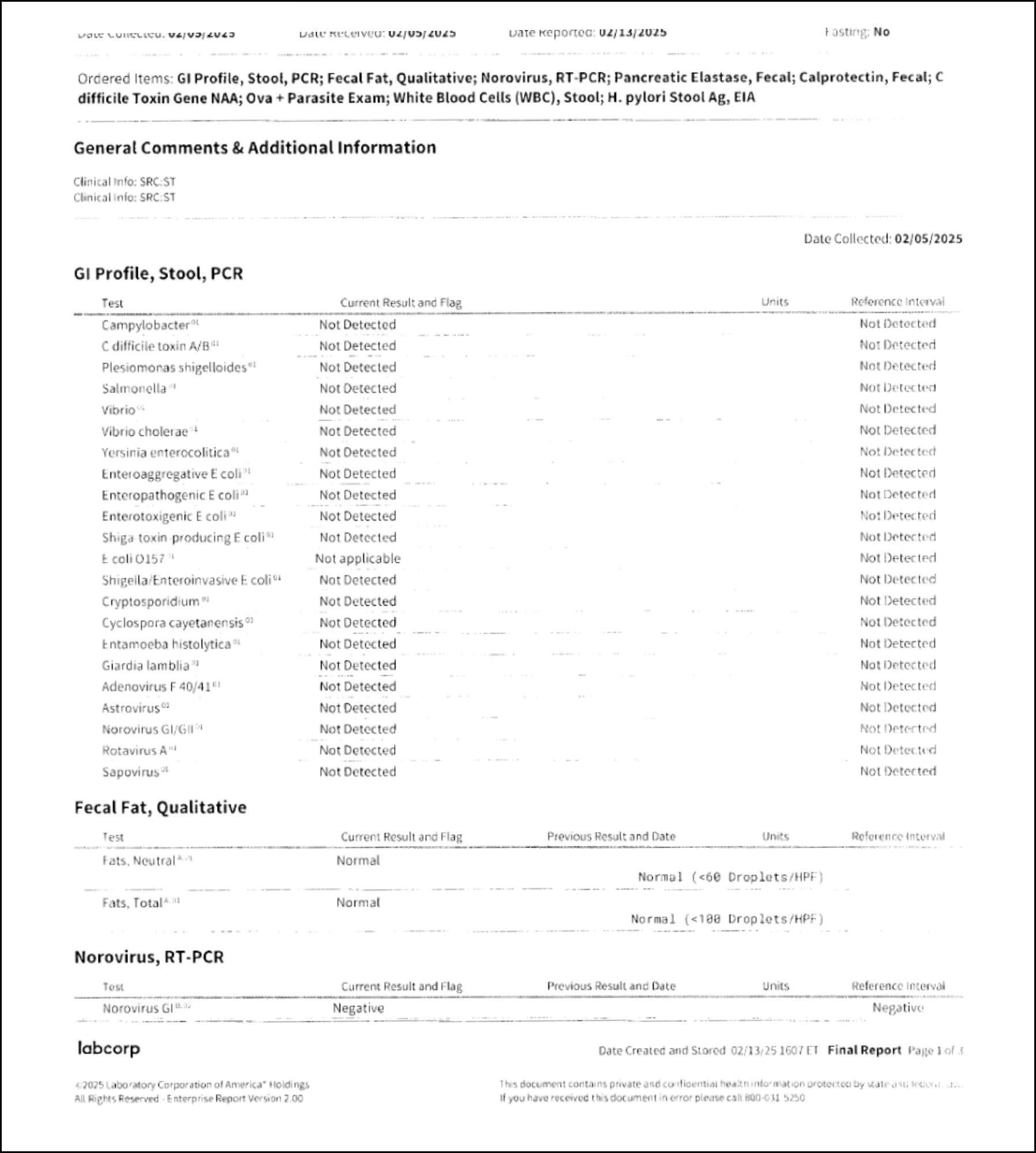
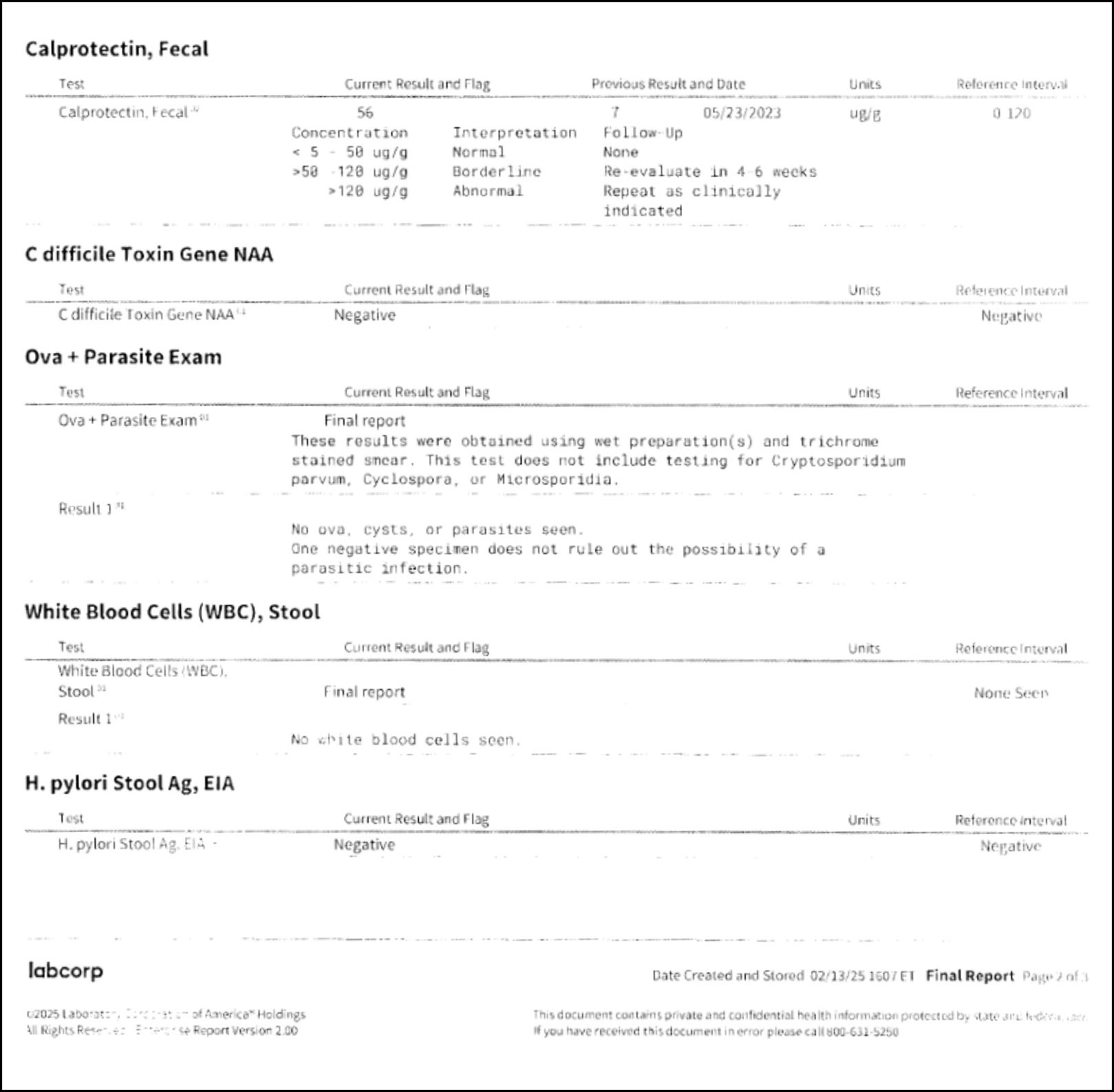
Several tests can be done through both local laboratories and functional medicine labs. LabCorp offers a GI Profile, where you can get a stool PCR for common gastrointestinal pathogens (bacteria including Salmonella, Shigella, Yersinia, Campylobacter, E coli 0:157; parasites including ameba, Giardia, cryptosporidium, H. pylori via stool antigen, and viruses, including norovirus and rotavirus, i.e., common viruses causing gastroenteritis), while evaluating pancreatic function (fecal fats, pancreatic elastase), and inflammation by checking a fecal calprotectin. I find this test from LabCorp to be superior to doing a Culture and Sensitivity (C+S) and Ova and Parasite (O +P) study when looking for intestinal pathogens. That is what I was taught to do in medical school, yet I can’t remember the last time a local C+S or O+P ever found any abnormal bacteria or parasites when I clinically suspected them!
This is an example of a recent GI profile done through LabCorp:
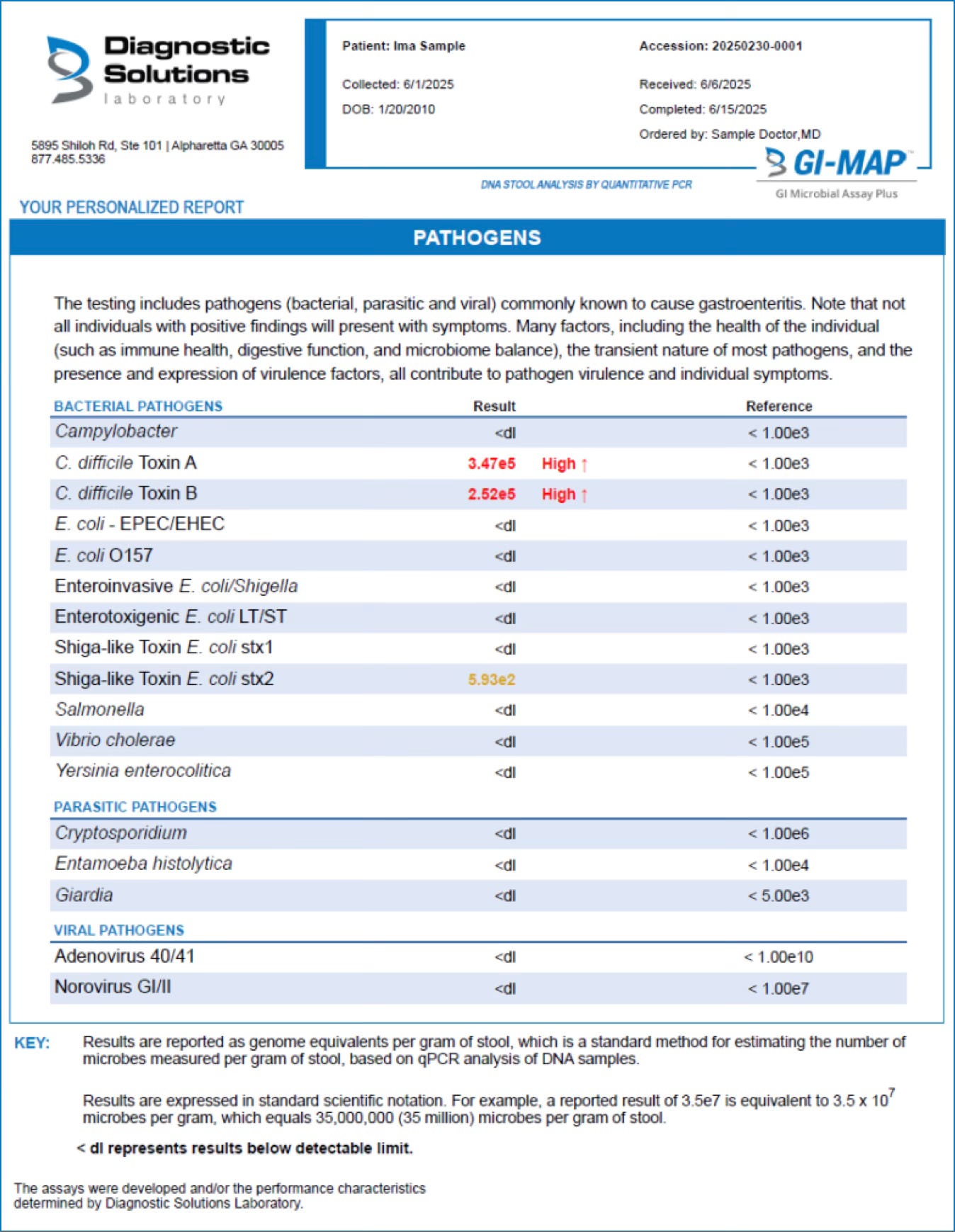
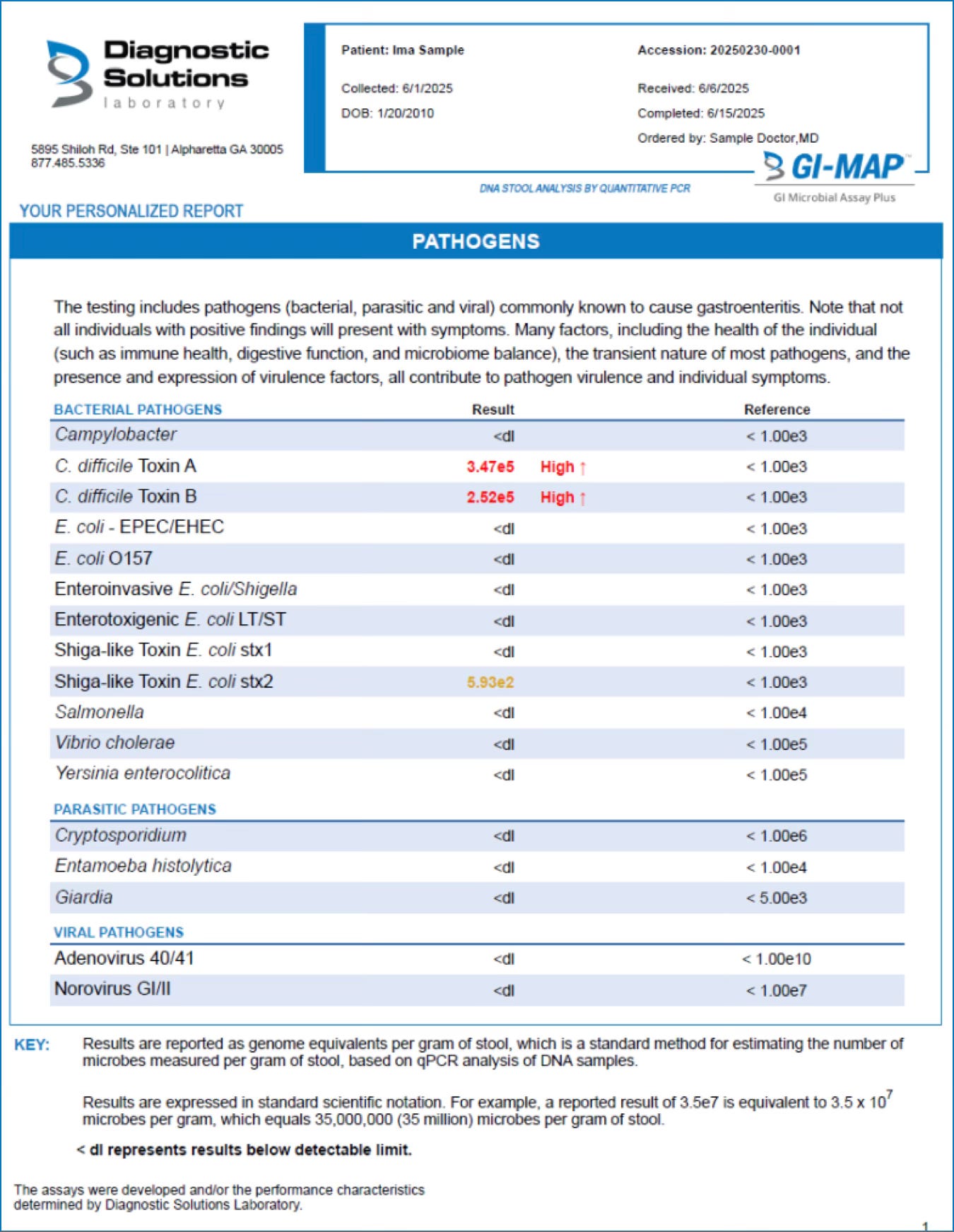
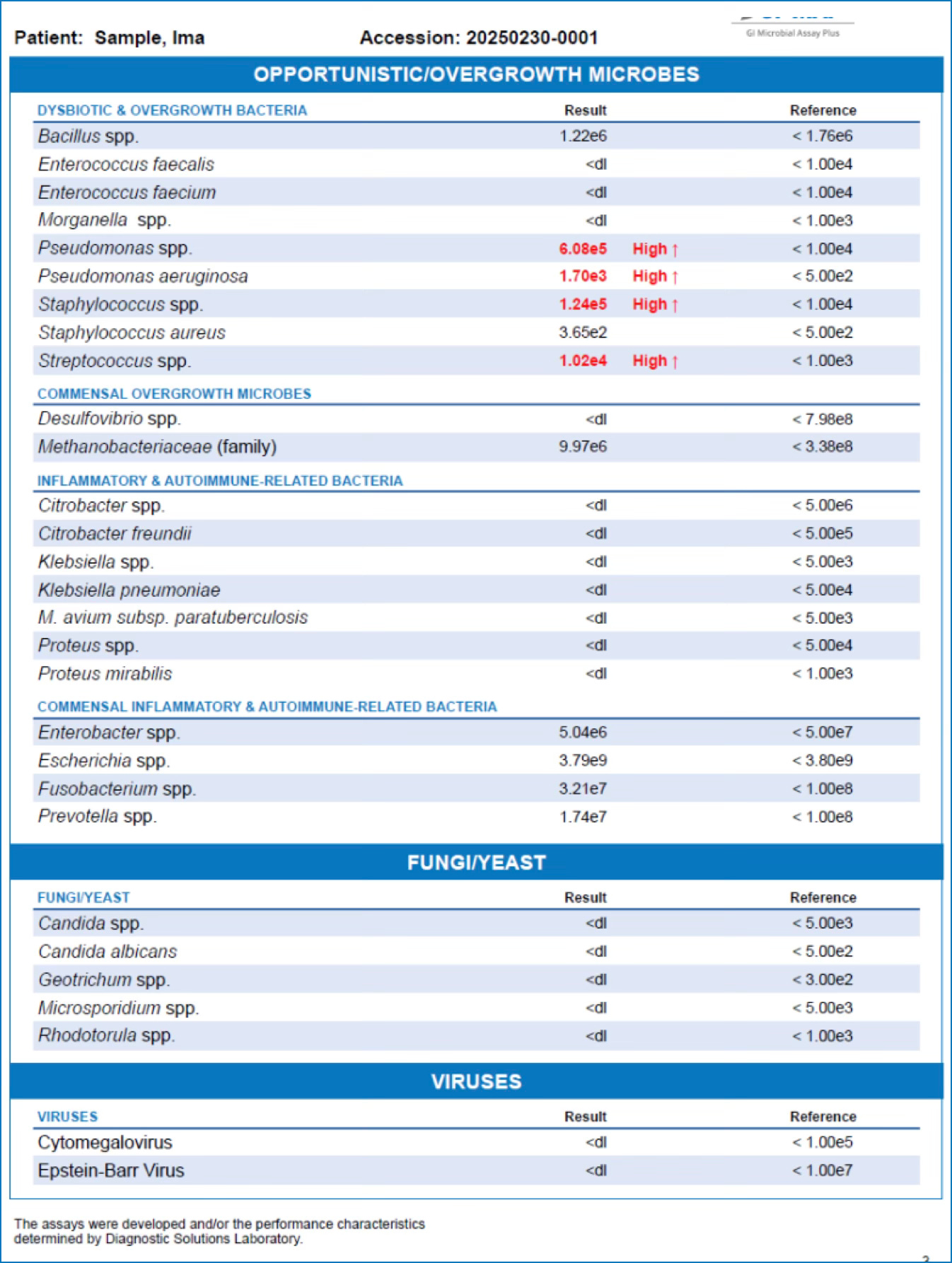
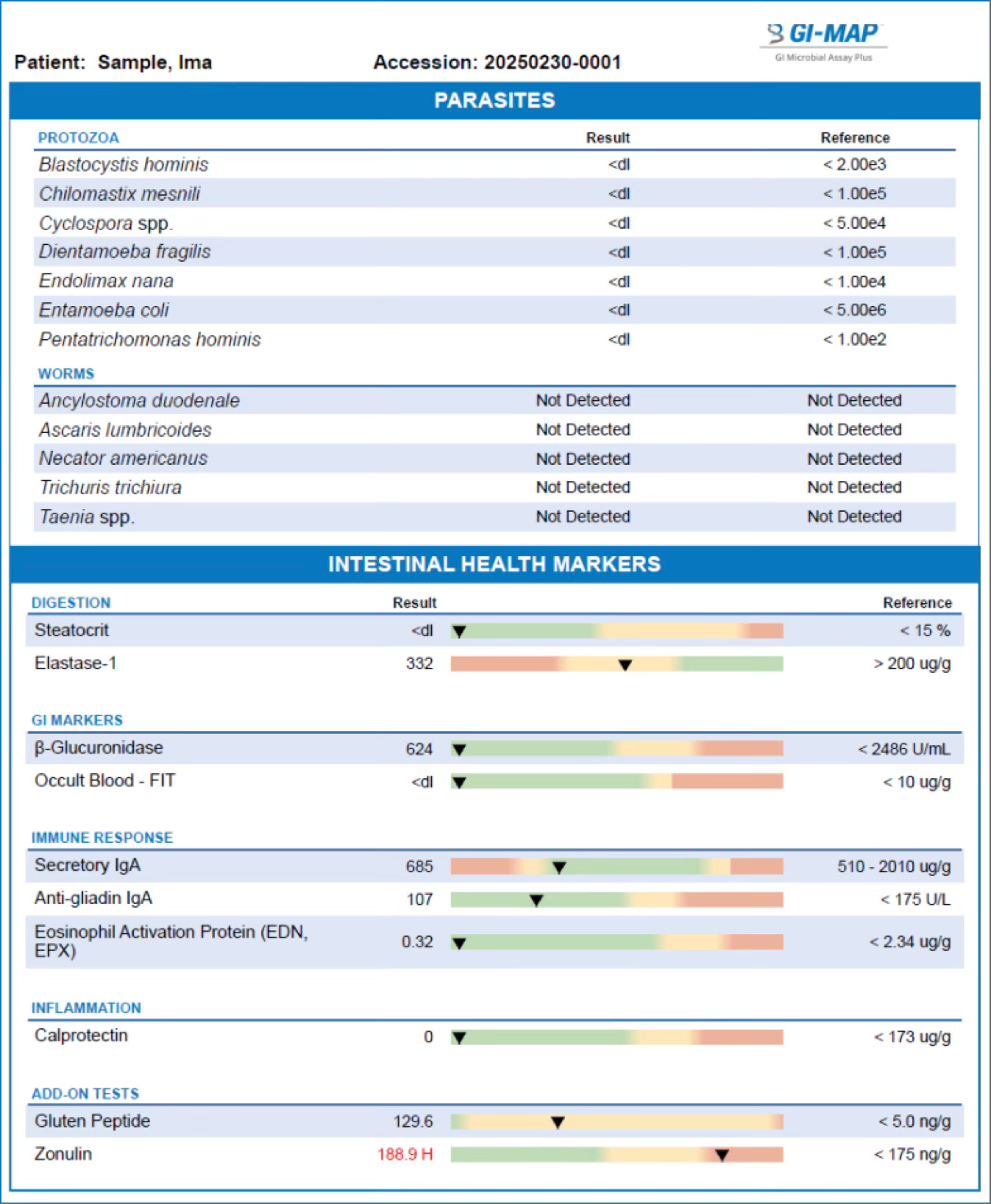
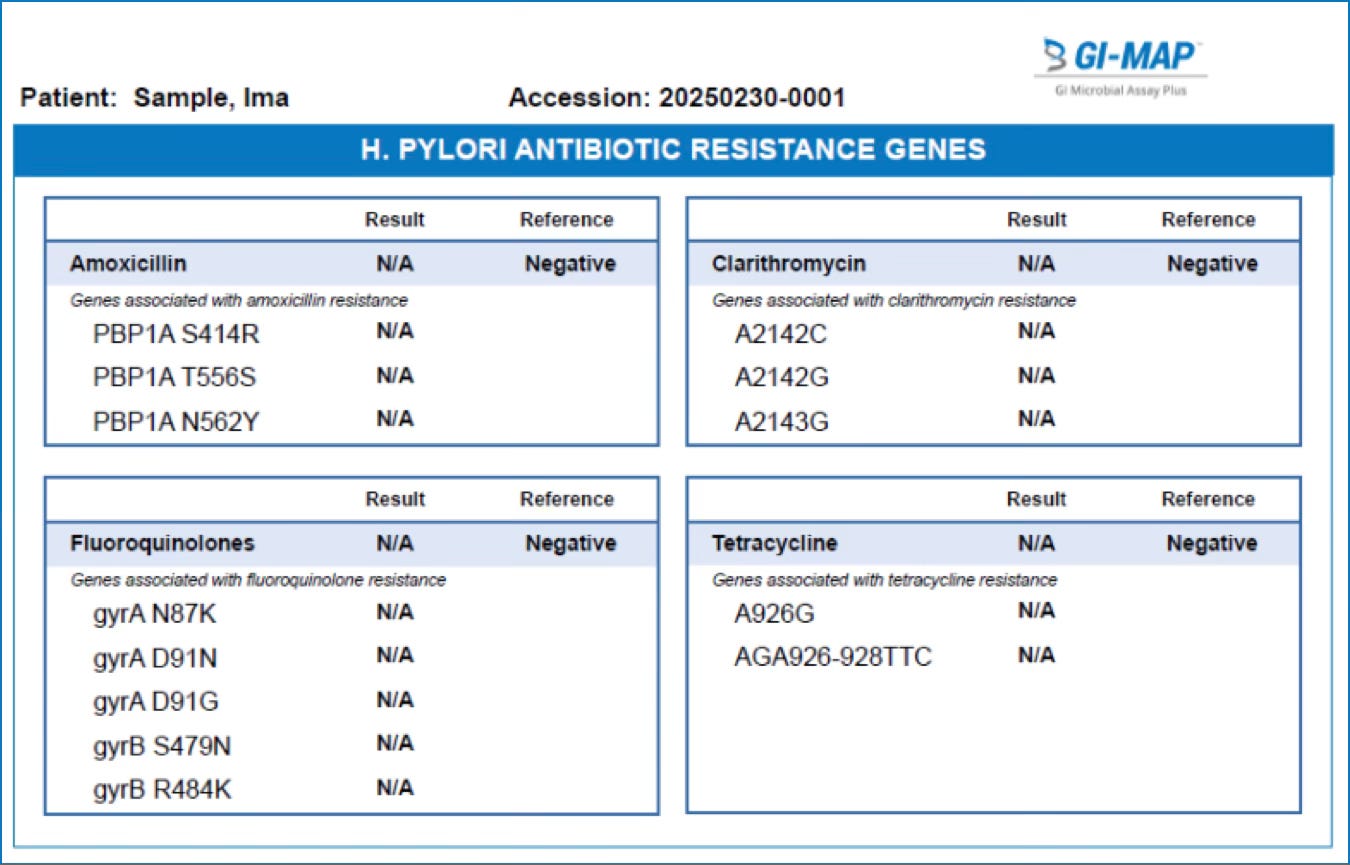
I especially like the GI Map by Diagnostic Solutions and GI Effects/Comprehensive Digestive Stool Analysis (CDSA) from Genova Diagnostics (the LabCorp test can substitute for the CDSA when finances are an issue, as the former is usually covered by insurance). These two tests that are clinically useful in determining the microbiome composition. See an example of the GI Map below which gives you a comprehensive overview of the status of your microbiome, including beneficial and pathogenic bacteria, viruses and parasites; digestive function; immunity and leaky gut with inflammation; as well as H. Pylorir esistance genes.
Supporting Your Microbiome
Diet/Nutraceuticals: Once you have evaluated your microbiome, the next step is treating any abnormalities (H. pylori, parasites, digestive problems, leaky gut, etc.) and making sure you’re on a healthy diet that supports the microbiome. No single diet has been universally recommended, but the Mediterranean diet and plant-based diets have shown to be the most beneficial. These 2 diets even has potential benefits in Long Covid, due to anti-inflammatory, gut microbiome-modulating properties.
A new treatment that was recently proven to be effective in a placebo-controlled, double-blind randomized trial is slow-release patented nicotinamide (1000 mg of vitamin B3), which positively affected the gut microbiome, leading to increases in physical performance. The study did not look at LC specifically, but at a 6-month follow-up, fewer post-Covid symptoms were seen. The basis for improvement was supporting mitochondrial function, improving altered tryptophan metabolism, and gut microbiome dysbiosis. These have all been associated with disease progression and unfavorable clinical outcomes in Covid.
Prebiotics, Probiotics, Postbiotics: Every day, my wife and I take what I generally recommend to my patients--prebiotics, probiotics, and postbiotics with a Mediterranean-style diet adjusted to specific needs. My prebiotic favorite is putting one teaspoon of organic flaxseed, blackseed, and hempseed in my low carb yogurt (Chobani, or Greek yogurt) and adding a scoop of Fiber MGP from Orthomolecular in an 8-ounce glass of water later in the day. Probiotics we rotate into our diet, based on extensive scientific research include Theralac (Master Supplements), Trubifido (Master Supplements), Truflora (Master Supplements), Orthobiotic (Orthomolecular), Saccharomyces boulardii (Orthomolecular), and Probiomax (Xymogen). My postbiotic is pDC Activate, which contains Lactococcus lactis strain Plasma (LC-Plasma) that stimulates immune function (Peyer’s patches in the GI tract) for broad immune support. There have been 29 scientific studies validating its safety and efficacy.
Since many of my patients also have reactive hypoglycemia with blood sugar swings, I recommend a hypoglycemic-style Mediterranean diet with small frequent meals with 40% good quality protein/30% complex carbohydrates/30% healthy fats (organic olive oil, avocados). If you have Candida, the carb load should be lowered further, while using essential oils and berberine to decrease the fungal load (with occasionally medication for Candida, whether Nystatin, or in more severe cases, fluconazole or itraconazole). If mast cell activation with leaky gut and food sensitivities are also present, avoidance of histamine foods and using bovine immunoglobulins (MegaIgG, Microbiome Labs) 2 2x/day with MegaSpore (Microbiome Labs) can be helpful to heal the gut. A recent study done using the ‘SHIME® model’ from Microbiome labs found that probiotics, prebiotics, and a combination of immunoglobins, amino acids, and flavonoids, resulted in an increase in SCFAs, increases in beneficial bacteria, and reduced inflammatory markers in those suffering from Inflammatory Bowel Disease.
The microbiome plays an essential role in human health and disease prevention. Please considering integrating the dietary and nutritional advice and/or testing into your healthcare regimen.