Years ago, my friend Randy, a dentist, had some non-specific symptoms--mild fatigue and a tremor, and a few issues with word finding. When he tested himself, he discovered high levels of mercury (Hg). Okay, well, he’s a dentist, so increased exposure would be expected since he spent years drilling mercury fillings in his patients’ teeth. As soon as he gave me the news, I had to wonder about my own exposure, and he gave me good advice. Back then, I was eating fish 5-6 days a week, as it’s my favorite protein source, and although I was asymptomatic, I was quite high on Hg and lead (Pb), with trace amounts of other heavy metals. So was my wife, Lee. We ended up chelating ourselves (pulling out the heavy metals) and now we only eat fish--the smaller, wild-caught varieties--once a week.
All of us are constantly exposed to heavy metals in the air, in the ground, in what we eat and what we use, but no one person has the exact same response to them. I’ve had patients become seriously ill from mold in their home, while the other family members living there had no reactions at all. The effects on your health depend on the strength of your immune system, your nutritional status, whether or not you have a chronic condition causing inflammation, and how well your detoxification pathways function.
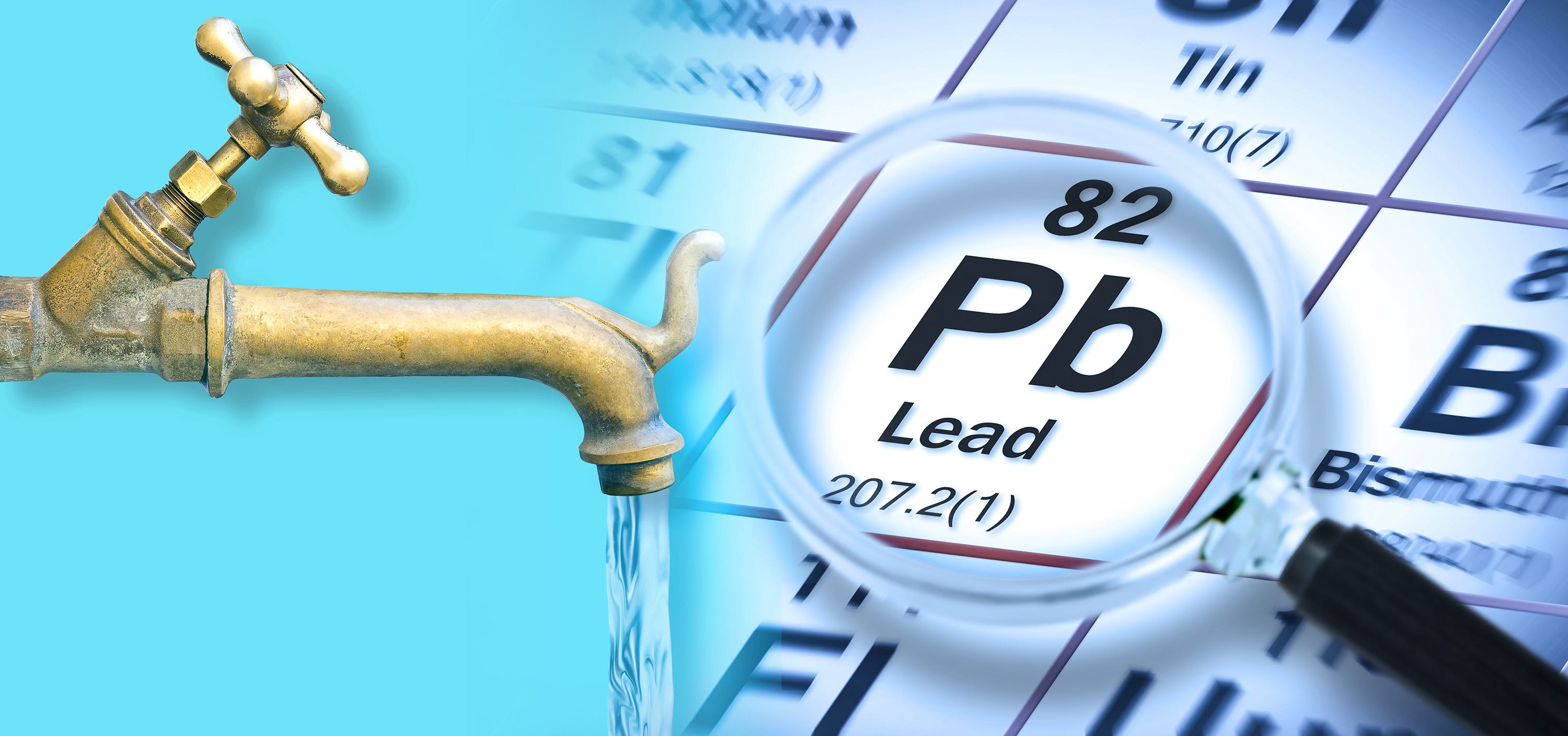
If you suspect any kind of heavy metal toxicity, you need to get properly tested. Symptoms overlap many other chronic conditions, so testing is the only way to find out what’s making you sick so you can get the correct treatment.
Testing Strategies for Heavy Metals
I started looking for heavy metals in my chronically ill Lyme patients over 20 years ago. You can see from the abstract below that many of my patients were testing positive for exposure to many different toxic metals even decades ago. Since we now pour even more toxins into the environment, the levels are now likely much higher.
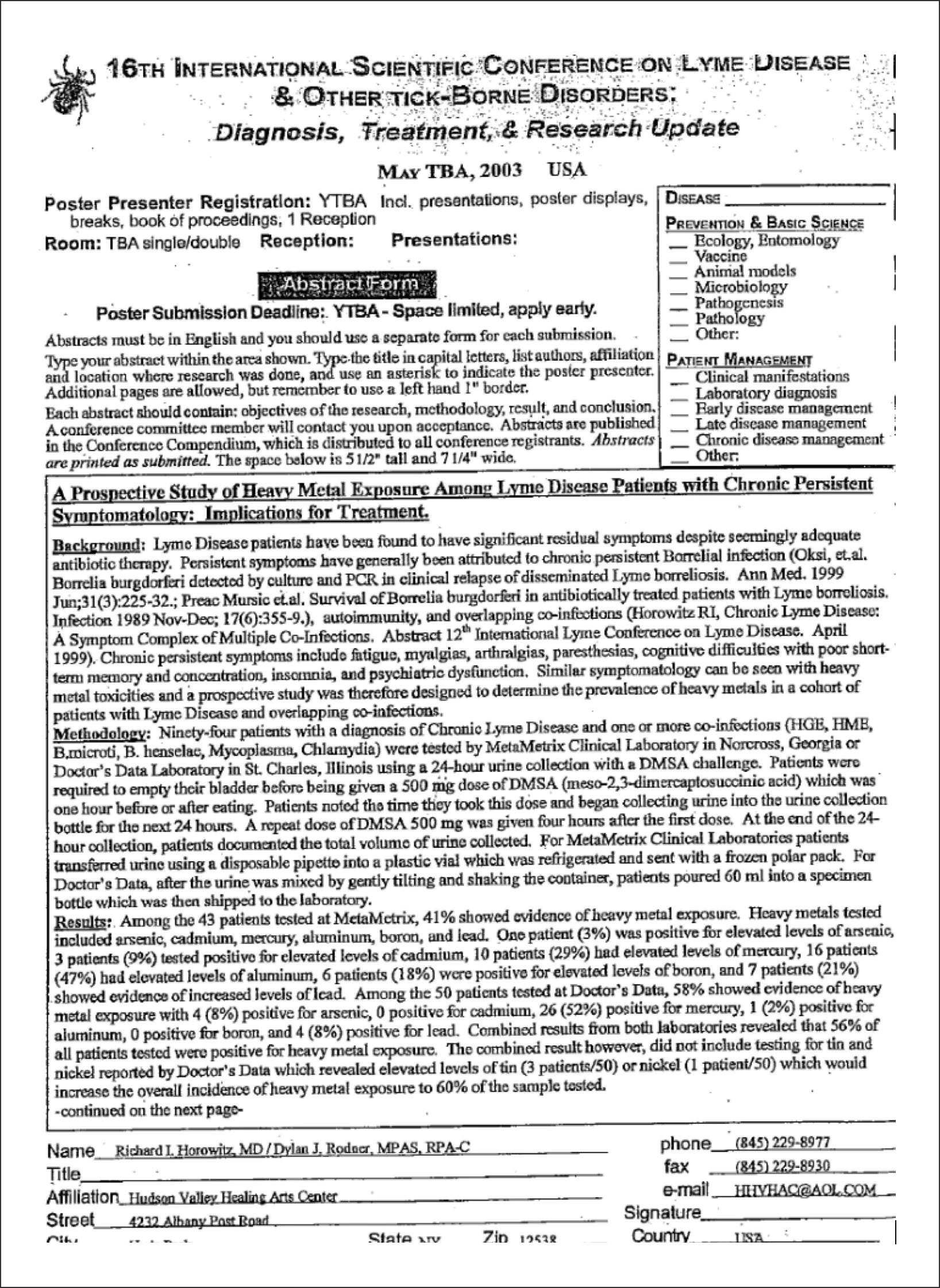
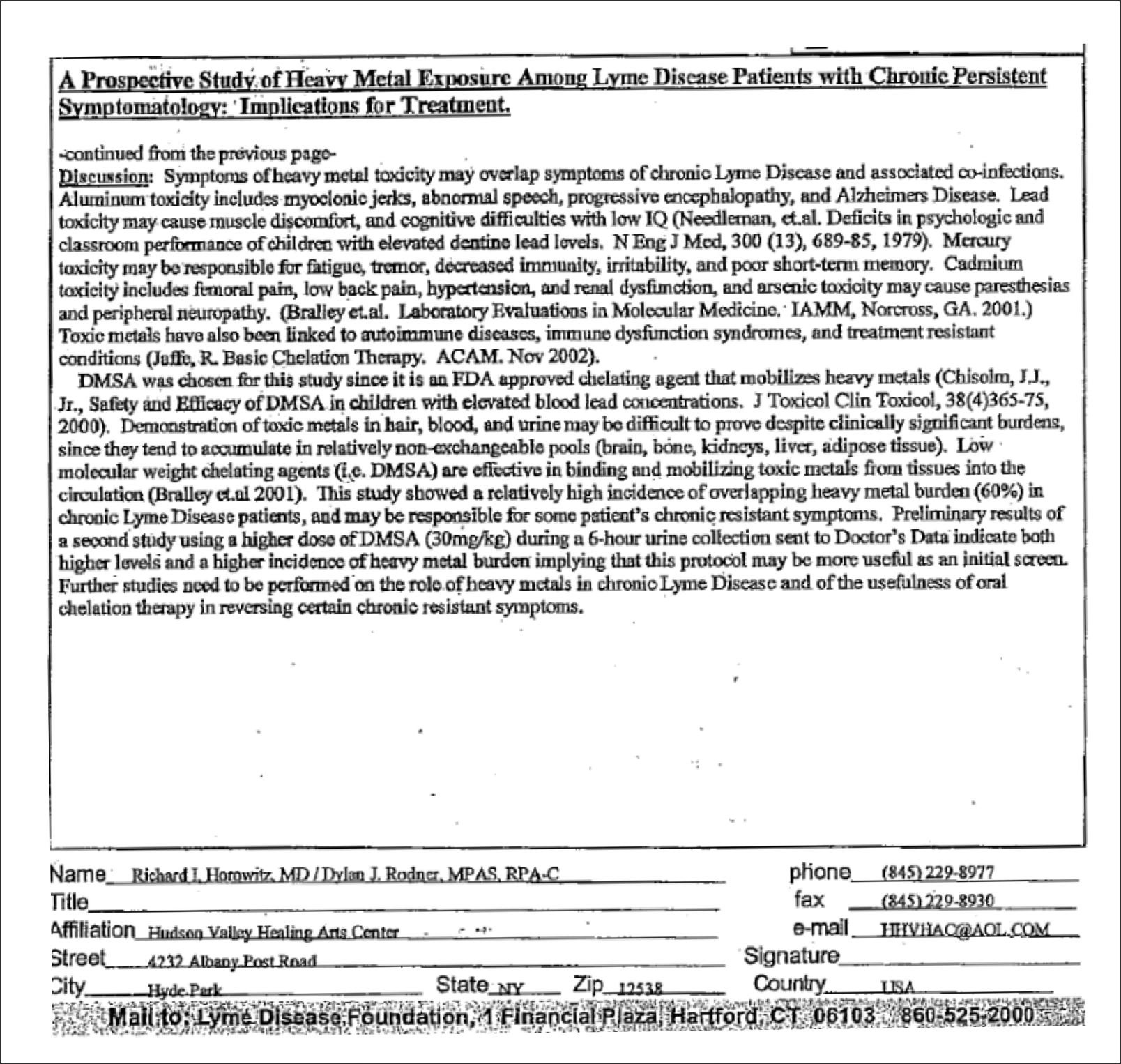
Most of my patients had and still have some levels of Pb exposure as well as exposure to other heavy metals like mercury (Hg), arsenic (As), aluminum (AL), and cadmium (Cd). Other background metals like thallium and uranium are often present as well. One patient I see on a regular basis has a 22 caliber BB in him, which he got during an accident decades ago. His orthopedic surgeon told him it was too difficult to remove due to its location. He regularly tests positive for high levels of lead, because it leaches from the BB fragments. Recently, his mercury level in the blood was quite high at 15--Quest labs list the normal range as below 10, but there is no “normal” mercury level in the blood! He doesn’t regularly eat shellfish, although he does occasionally some fish, but not the larger varieties usually associated with high Hg levels. We looked at his diet, and the only food we could identify was the oatmeal he was eating every day, which normally doesn’t contain a lot of mercury (glyphosate and other pesticides like chlormequat is another story). So how and why is he getting Hg toxic?
Where Is Mercury Coming from And Why Is It Getting into Everyone?
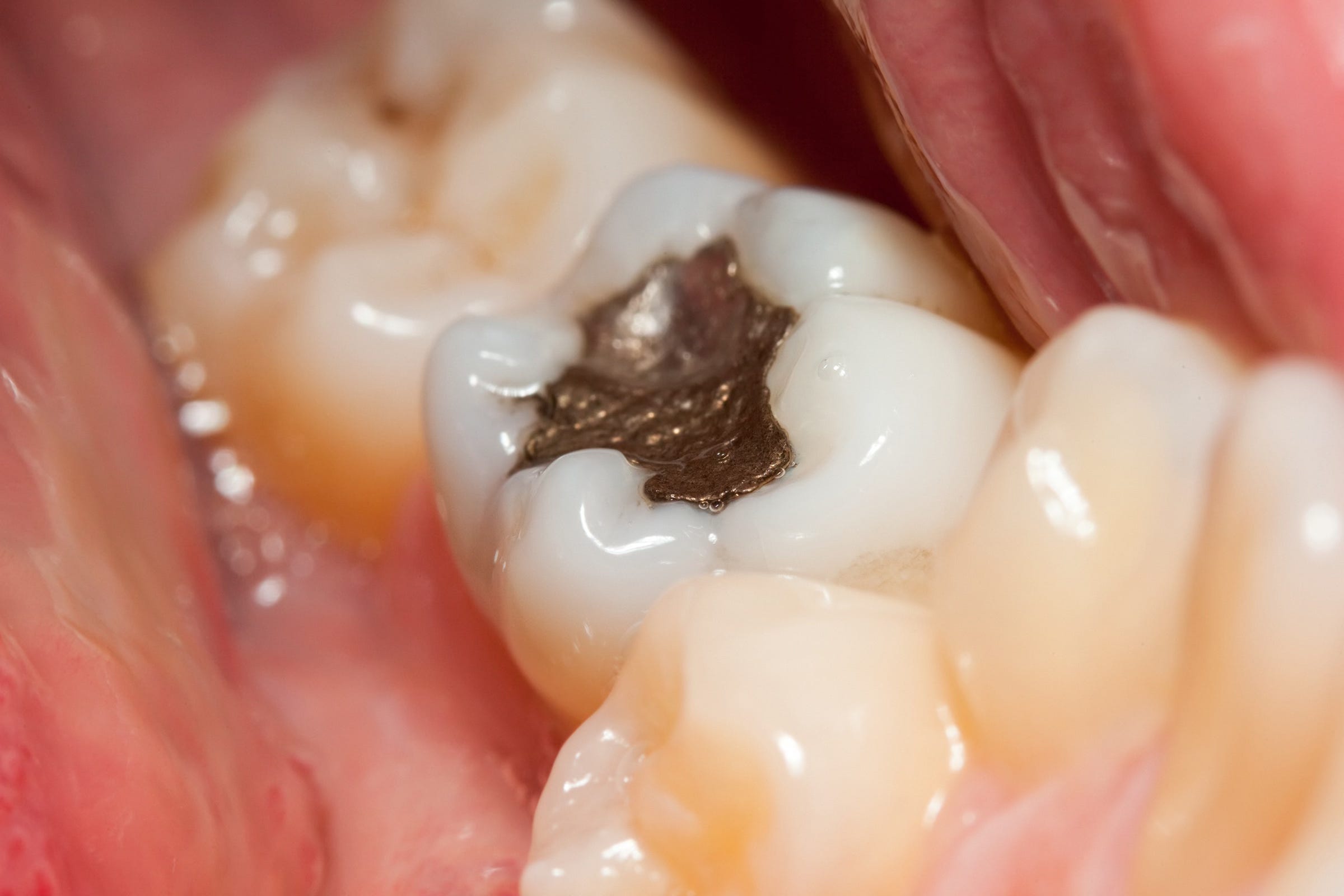
Around 6,500 metric tons of mercury are released into the environment each year, with two-thirds coming from human activities, including industrial pollution, i.e., coal-fired power plants (contributing to a warmer planet and poisoning us; good reasons to phase those out!). That accounts for around a third of the total every year, followed by small-scale gold mining (40%) and deforestation (10%). The rest is from natural, uncontrollable environmental events, like volcanic eruptions and undersea vents. Since we started using Hg in the mid-1800s, it’sbeen released into the food chain on a regular basis, increasing over time and contaminating rivers, oceans, fish, and marine animals. Starting in the 1950s, it’s gotten much worse, when mercury began appearing everywhere: thermometers, fluorescent light bulbs, thermostats, cosmetics, batteries, electrical switches, blood pressure cuffs, even “silver” dental fillings (I’ll be doing a separate Substack regarding healthy/unhealthy dental practices in the future. Suffice to say for now that I had my amalgam fillings removed after testing very high for Hg). Factories also leak mercury while making chemicals and plastics.
Toxic mercury has increased in the environment over time. One way to test it was for researchers to evaluate feathers from gulls in museum collections. Over a 130-year period, between 1877 and 2007, the mercury concentrations in the feathers showed a whopping 45-fold increase—meaning that for 130 years, the gulls’ mercury levels had risen an average of 1.6 percent each year.
What gets into the birds is getting into us.
We are chronically exposed to mercury (Hg) every year, as well as lead (Pb), followed by heavy metals such as Cadmium (Cd), Arsenic (As) and Aluminum (AL), and a host of other trace metals. This chronic exposure is responsible in part, for some of the overlapping symptoms we see in people suffering from chronic fatiguing, musculoskeletal, neuropsychiatric illnesses. Look at a follow-up study we did, that we published in the journal Healthcare in 2018, regarding heavy metal exposure in 200 of our patients:
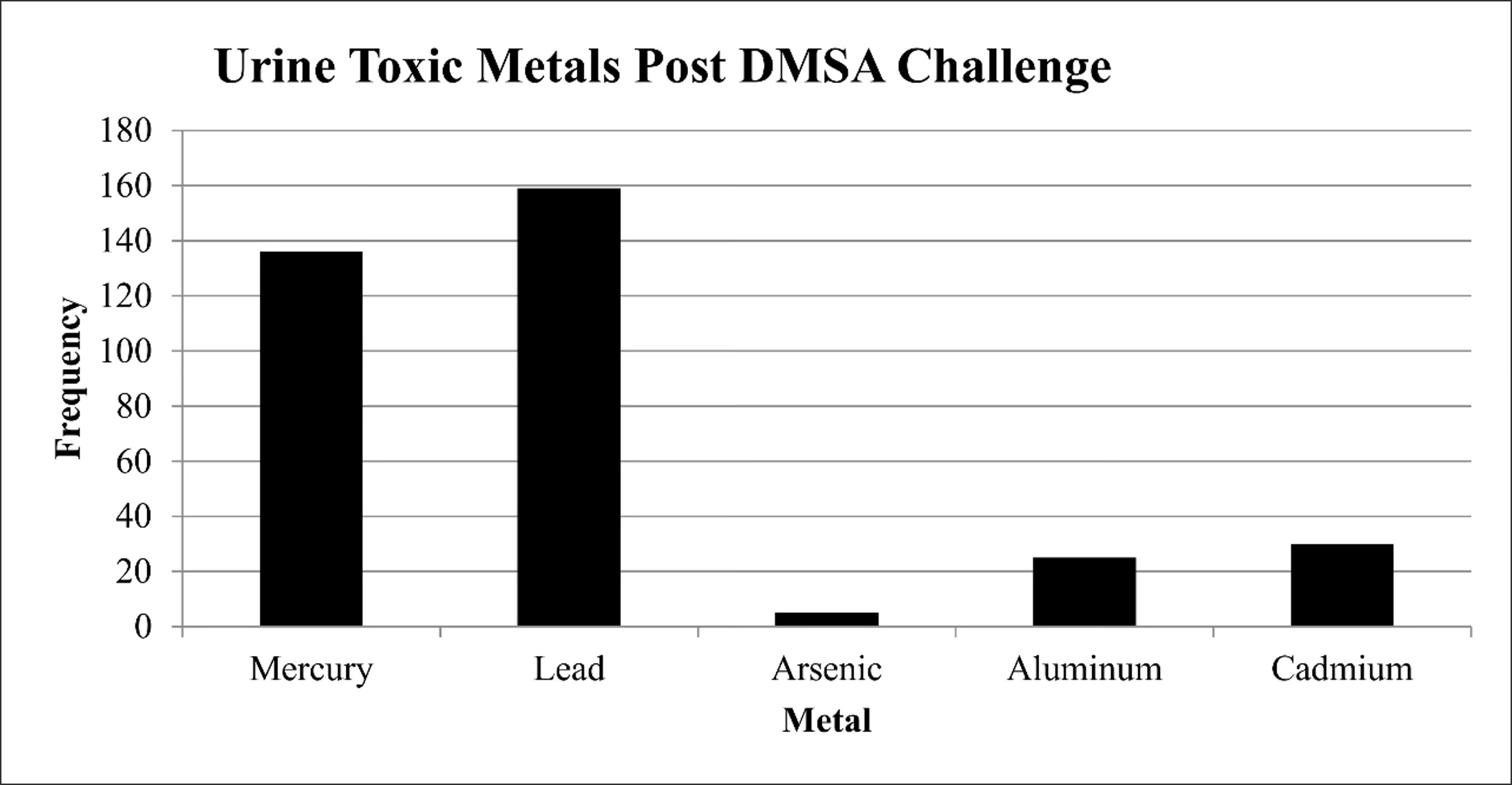
These metals were responsible in part (as were other overlapping environmental toxins like mold) for some of my patients’ resistant symptoms. How did I know? I chelated some of these patients, detoxifying them when their blood levels were high, and after treating them for overlapping causes of inflammation and removing the heavy metals, approximately 25% of them improved. Why? Because these metals are an ongoing source of free radical/oxidative stress, helping to drive inflammation, causing overlapping symptoms seen in chronic tick-borne disorders.
If chronic heavy metals exposure is suspected, testing is usually done by serum blood analysis (more for acute exposure), hair analysis (intermediate exposure, but not to be done in those who use hair dyes), and a 6-hour urine test with a chelating agent, dimercaptosuccinic acid (DMSA), which is then sent to Doctors Data in Chicago. After speaking to Dr. Quigg at Doctors Data years ago, he suggested using DMSA, an FDA-approved chelator, at a dose of 30 mg/kg, one time, followed by a 6-hour urine collection to evaluate total body burden of heavy metals.
Chelation is the primary method of drawing heavy metals out of the body (except for asbestos, which can’t be eliminated). DMSA has two thiol groups (sulfa type molecules), which form a chemical bond with Hg and other heavy metals, helping them to be excreted in the urine. Another commonly used chelator is DMPS (dimercaptopropane sulfonate) which is a bit more specific for Hg. Since DMSA and DMPS are sulfa-based medications, you need to check with your doctor before using them if you have a history of allergies to sulfa drugs (like Bactrim DS, sulfamethoxazole/trimethoprim).
If you are wanting to chelate lead, one of the best chelators is EDTA (ethylenediaminetetraacetic acid), which is FDA-approved for the treatment of lead poisoning in adults and children. EDTA has the ability to bind lead tightly and is more effective than other common chelators. A physical sign that helps the Medical Detective suspect long-term Pb exposure/poisoning, apart from the symptoms you read about in Chocolate Bomb #1, 2 weeks ago, is a discoloration of the gums called Burton's line or “lead line.”
How can EDTA be used as a diagnostic test for lead poisoning? Two grams of EDTA are administered through an intravenous or intramuscular route. Patients have a positive lead mobilization test if, in the following 24 hours, they excrete more than 6 grams of lead in their urine. The lead mobilization test allows clinicians to have a more accurate total body lead level and further guide treatment with chelation agents, and, while not approved by the FDA, EDTA also has the ability to bind other heavy metals within the body. These include mercury and cadmium, but also helpful minerals like iron and zinc, which is why regularly checking serum and red blood cell mineral levels are necessary during chelation (and replacing lost minerals with multimineral supplements).
Why Should You Consider Testing Serum, Hair, and Urine for Heavy Metals Like Lead and Cadmium?
There’s no escaping our toxic world and exposure to these heavy metals on a regular basis, through the air we breathe, food we eat, and even things we touch (like arsenic). Heavy metals have a long half-life in the body and are not naturally eliminated, meaning levels will naturally accumulate over time. It makes sense to check intermittently as you get older. Why? According to recent reports, the recent California wildfires, particularly those in the Los Angeles area, caused significant spikes in atmospheric lead levels, with concentrations reaching up to 100 times the average, highlighting the danger of burning structures containing lead-based paint in older homes;
Lead's half-life in the blood is around one month, but can range from one week to 2 years, depending on your age and exposure history. Its half-life in soft tissues is a bit longer, at 1½-2 months. But its half-life in bone is around 25 to 30 years! Most of your body's lead burden is stored in your bones, accumulating there over your lifetime. Cadmium’s half-life is similarly around 30 years. Mercury’s half-life is shorter, but it depends on the type being measured (inorganic, methyl, or ethyl Hg) …with methyl Hg being the most toxic. The half-life of methyl Hg in the brain is 1-20 years. Any excessive accumulation in the body of these metals should be regarded as potentially toxic. If you do a serum test to check for these heavy metals, do not use the laboratory levels reporting “normal ranges” for these heavy metal toxins, since no level of any has been shown to be safe in the body!
As I mentioned, I’ve since discovered that approximately 25% of my patients have had symptoms previously attributing to chronic Lyme disease and co-infections—but they were due to heavy metal toxicity and overlapping environmental toxins. Fatigue, joint and muscle pain, neuropathy, and cognitive issues improved after chelation therapy using either DMSA or EDTA, another FDA-approved chelation agent. EDTA is available in suppository form, not just as an intravenous formulation, which is the form we used; it was well tolerated, with less side effects than using it intravenously.
What Can You Do About Heavy Metals?
First of all, check the foods you are eating. Going back to Chocolate Bomb #1 from 2 weeks ago, the easiest thing is to check out the brands tested by Consumer Reports, as some of them were toxin-free: https://www.consumerreports.org/health/food-safety/lead-and-cadmium-in-dark-chocolate-a8480295550/.
If the brands you’ve been eating are on the danger list, throw them away and make different choices. This is especially crucial for children, as lead ingestion can lead to irreversible brain damage, stunted growth, and other health issues.

The other thing you can do is to limit exposure to heavy metals like Hg is to avoid eating larger fish (tuna, swordfish, tile fish, shark, king mackerel, orange roughy), avoid getting amalgam fillings from the dentist (and using a holistic or biological dentist when removing amalgams), while using high quality water filters that can help remove metals like Hg and Pb.
My wife and I, who were dark chocolate lovers, decided to essentially stop eating it regularly due to the difficulty in controlling its Pb and Cd levels. We feel better without it, since dark chocolate is a histamine trigger--I am “itchy Richie” if I’m not careful…and Lee gets more migraines if she’s not careful with histamine triggers too. I recently added more detox support to my daily regimen to help bind heavy metals naturally, knowing we inadvertently were consuming more heavy metals in our foods.
What About Chelation?
For those with high levels of heavy metal toxicity, chelation is done both orally and intravenously under medical supervision. I’ll discuss these protocols in more detail in future Substacks. The chelators discussed above form some of the basics for chelation therapy.
Natural Detoxification Support
In prior Substacks, I’ve praised the virtues of nutraceuticals including NAC (N-acetylcysteine), ALA (alpha lipoic acid) and glutathione (GSH). My wife and I have been regularly using these 3 supplements for probably 2 decades. These block an essential inflammatory pathway called NFKappaB, which can be stimulated in both viral infections like Covid and Lyme. Not only do these nutraceuticals help to support a healthy immune response, since low GSH levels are needed to help many viruses replicate (including the flu, dengue fever, HIV and COVID), but GSH and ALA simultaneously help bind heavy metals and provide detoxification support for fat-soluble toxins. They do this by making them water soluble, so they can be excreted more easily from the body.
These 3 nutraceuticals are our trifecta of immune/detox support. Hopefully, they’ve helped us to mitigate the effects of our prior dark chocolate habits! How exactly do they work?
GSH and ALA help naturally remove heavy metals from the body, and they also help prevent oxidative damage caused by mercury toxicity. This is because they are both sulfa compounds, which help attract and naturally chelate heavy metals. In one study, combining glutathione with oral chelating agents and vitamin C reduced mercury levels by 69%. ALA is not only a strong antioxidant that helps chelate metals from the body, but it also renews other antioxidants. This is important because ALA and its reduced form, dihydrolipoic acid (DHLA), helps decrease cell death caused by lead, cadmium, and arsenic; it also helps to restore cell membrane integrity (damaged cell membranes can lead to cell death); and ALA increases intracellular glutathione levels, while lowering blood heavy metals.
Other natural solutions for heavy metals include modified citrus pectin, brown seaweeds, consuming sulfur-containing amino acids in the diet (such as taurine and methionine), while using folic acid. Taurine and methionine are both sulfur-containing amino acids, which again, can act as natural chelating agents (but not as strong as pharmaceuticals like DMSA or EDTA). Foods that contain taurine and methionine include eggs, shellfish (but be careful with arsenic!), poultry, nuts (especially Brazil nuts with selenium, but not more than 2-3 a day; also almonds, cashews, hazelnuts, and pine nuts), sunflower seeds, grains, and legumes, as well as red meat (limiting consumption is a good idea for both your colon and the planet), dairy products, and edible seaweed, including red and green algae. Finally, humic and fulvic acid are natural binders/chelators that can help remove heavy metals. There are companies such as Researched Nutritionals; their supplement, Toxin-Pul, contains humic and fulvic acid, and is generally well-tolerated. I recently started taking 3/day to help expand my detoxification support. Speak to your healthcare provider about these options.

Taking daily doses of GSH ALA, and NAC is something I recommend to all my patients. A word of warning, though—it’s not a good idea to chelate on your own unless you have already been tested and know what your heavy metal levels are; have discussed this with your doctor; and are supplementing with top-quality products. Excessive chelation pulls out needed minerals at the same time as toxins, and you don’t want to lose calcium and iron, which can cause a whole lot of other problems!
We live in a toxic world, where we are exposed to thousands of harmful substances on a daily basis. Supporting our detoxification pathways, and intermittently checking for heavy metal exposure, is not unreasonable considering that exposure comes from so many sources. Speak to your healthcare provider about the above testing and nutritional support and enjoy your occasional dark chocolate… but check the source carefully before having that sweet treat!