



HHS Secretary RFK Jr. publicly stated that his agency “will know what has caused the autism epidemic” by September 2025. He launched a large research effort, at President Trump’s direction, to look into rising rates of ASD (Autism Spectrum Disorders) diagnoses. He also miffed a few people along the way, portraying autism in a very negative light, focusing on the most severe cases and suggesting that people with ASD are incapable of leading fulfilling lives. This was seen as disrespectful and harmful to some members of the autistic community. I agree. As per the CDC, some individuals with ASD need little support in activities of daily living (ADLs) and others need a lot. Some are savants, and others non-verbal with behavioral issues. The spectrum of how children are affected is quite broad…so we don’t want to make sweeping generalizations about any illness and its individual effects.
Putting aside an insensitive comment, RFK Jr. is absolutely correct in making ASD a primary focus of his administration. Not one prior administration had the courage to do so. But I would like to provide some background on what science actually says about ASD. Autism is such a hotly debated topic that it’s essential to help set the record straight, using science, and explain where I believe future research needs to go. As you will see, ASD goes way beyond “vaccines cause it.”
First of All: The Numbers of ASD Are Much Higher Than Are Being Reported
Let’s examine in detail the true numbers of ASD, and why we need to look at neurodivergence and its causes.
Some experts report numbers that have gone up from roughly 1/150 children in 2000, to 1/36 because of a “widening of the definition of ASD with better awareness and diagnostic testing.” Not true. The numbers being reported are not going back far enough in time to see the big picture, and those individuals are ignoring basic science about ASD. This is why we should all be concerned:
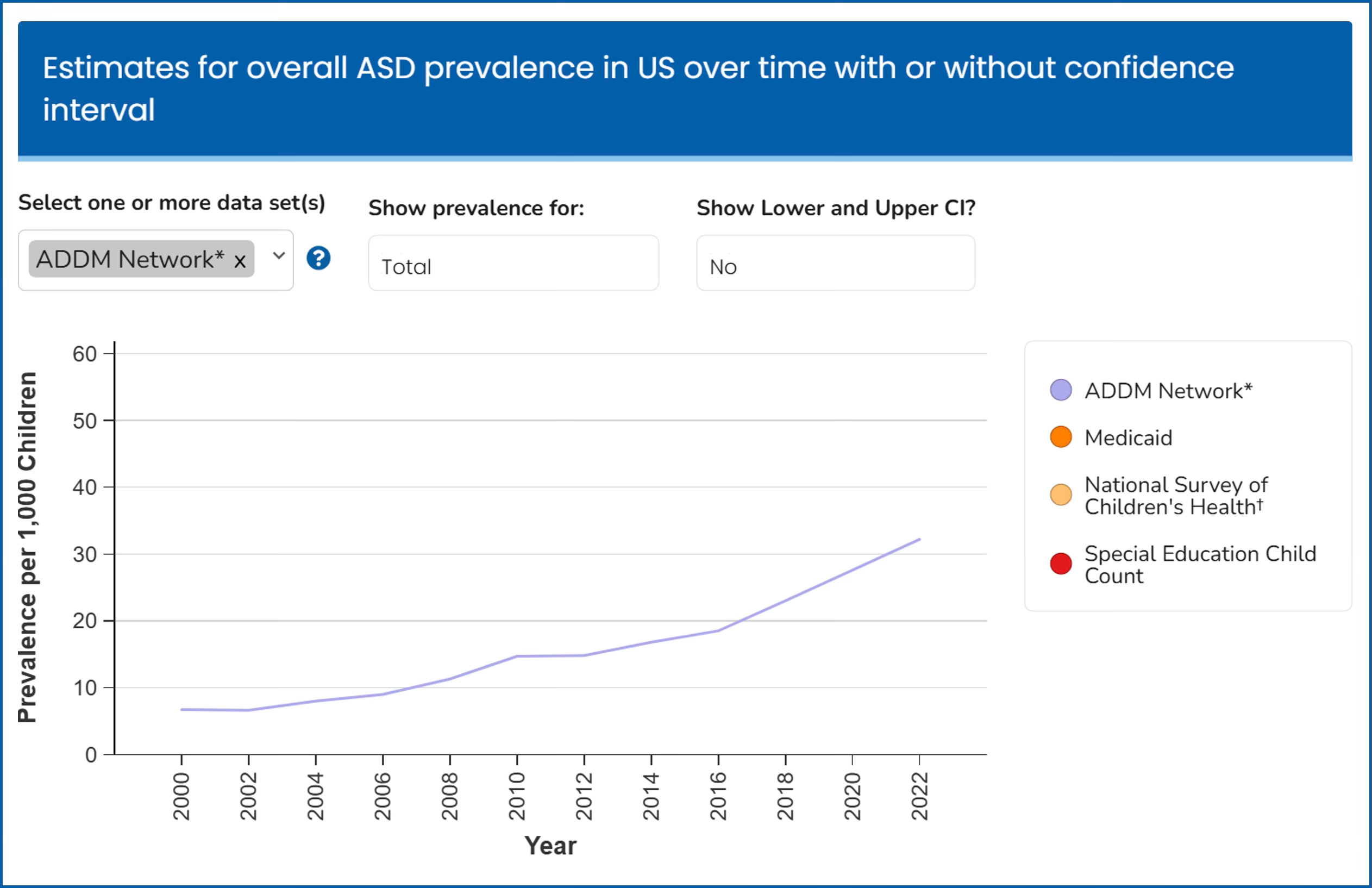
ASD was affecting between 1/400-1/2,000 children in the 1950s-1960s, and then continued to rise, now affecting approximately 1/31 children (based on new data to be released, where it again went up from 1/36). That is more than a 60-fold increase in prevalence which cannot be accounted for by simply “better diagnostics and testing!” What are the scientific reasons explaining the huge surge in cases which go beyond genetics or having an older parent, which are known factors for ASD? What happened in the 1950s that could help to explain the tremendous rise in ASD cases during the last 75 years?
The Huge Increase in Synthetic Chemicals Dumped into the Environment After WWII
After World War II, there was a significant increase in the production and release of synthetic chemicals into the environment. Pesticides, plastics, industrial solvents, heavy metals, and thousands of chemicals were dumped into our ecosystem without proper regulation or understanding the environmental risk. We are now paying the price with a rise in chronic health conditions directly linked to these toxins. A growing body of scientific research suggests that exposure to a wide array of environmental chemicals during critical periods of development, particularly in the womb and early childhood, can negatively impact brain development and increase the risk of neurodivergence, including ASD.

Why do these chemicals cause such as broad range of neurological effects? They disrupt neurodevelopmental processes. The developing brain is a highly complex and finely tuned system. Environmental chemicals can interfere with neuronal proliferation and migration, with the creation of new brain cells and their movement to correct locations; these toxins interfere with synaptogenesis, where the formation of connections (synapses) between neurons is affected, which are crucial for communication; they also interfere with myelination of neurons, the insulation around nerve fibers that allows for efficient signal transmission, while affecting the levels of neurotransmitters, the chemical messengers in the brain. How and why do these chemicals cause neurological dysfunction in different conditions?
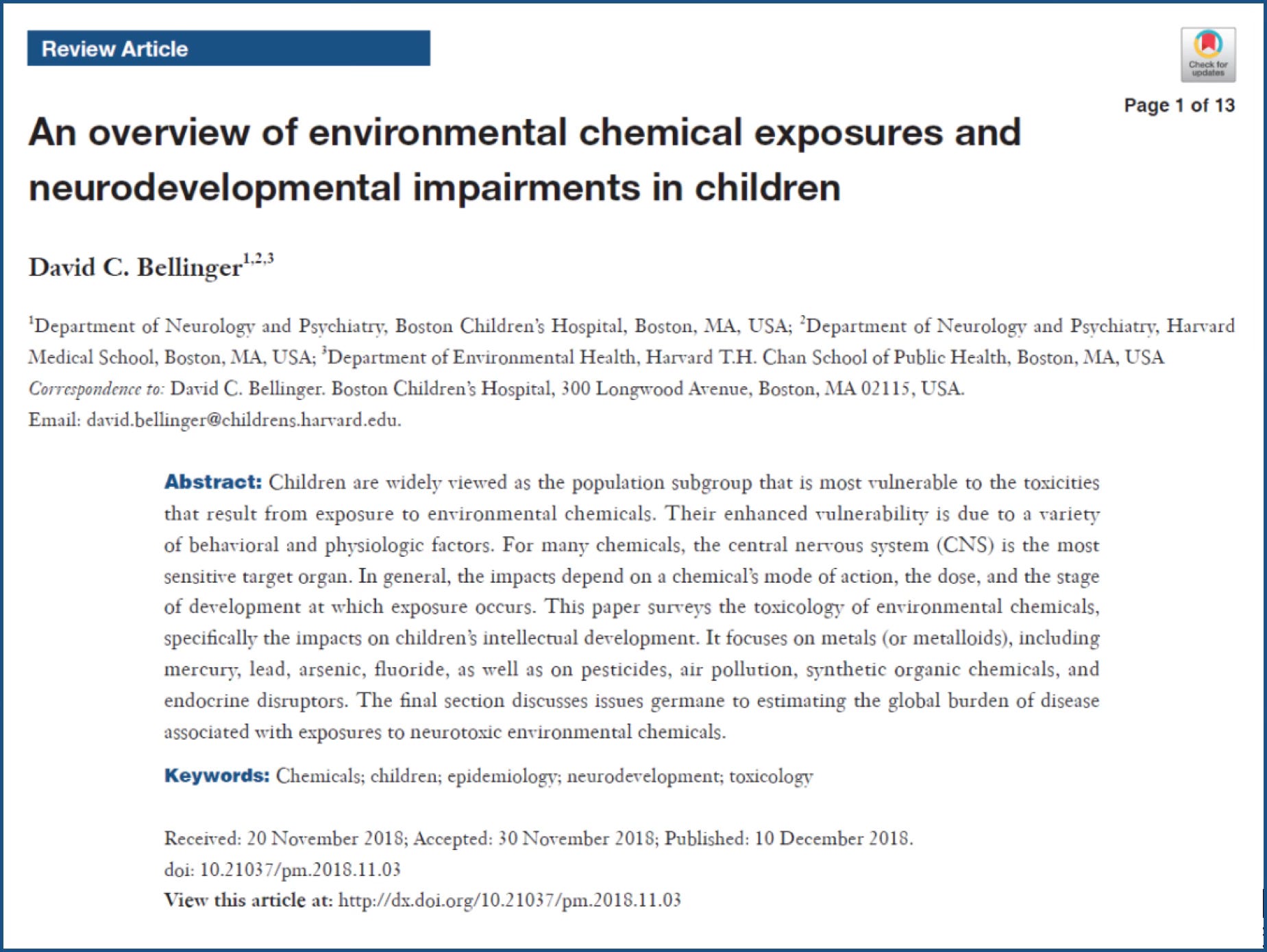
These toxicants affect the brain through various biological pathways:
Neurotoxicity: Some chemicals, such as mercury, lead, and arsenic, directly damage or kill brain cells.
Endocrine Disruption: Many chemicals act as foreign-based estrogens and increase insulin resistance while interfering with hormones that play a critical role in brain development. Insulin resistance is associated with chronic inflammation.
Oxidative Stress and Inflammation: An increase in free radical/oxidative stress damages mitochondria in neurons; inflammation affects normal brain function and disrupts normal development.
Epigenetic changes: Environmental pollutants can alter gene expression without changing the underlying DNA. This can affect how genes are turned on and off in brain development.
Why Are Children’s Brains More Vulnerable to These Environmental Toxicants?
Children’s brains are rapidly developing with sensitive periods of growth where specific biochemical pathways are highly vulnerable to disruption. They also have immature detoxification systems, making it harder to eliminate toxins from their bodies, increasing the toxic load over time. Environmental chemicals proven to cause neuroinflammation include:
Heavy metals
Pesticides (organophosphates, organochlorines, and pyrethroids)
Air pollution (particulate matter less than 2.5 PM is especially toxic, and women living in highly polluted areas near highways have much higher rates of ASD)
Endocrine-disrupting chemicals like phthalates, bisphenol A (BPA, from cans), plastics (in children’s toys) and certain flame retardants, as well as volatile organic compounds (VOCs) found in paints, fragrances (candles, air fresheners) and disinfectants around the home.
Factors on the 16-Point MSIDS Map That Science Says Are Associated with ASD
Because autism is a complex condition with multiple overlapping inflammatory factors, environmental chemicals alone aren’t be enough to explain the diverse aspects of ASD. What else has been associated with it?
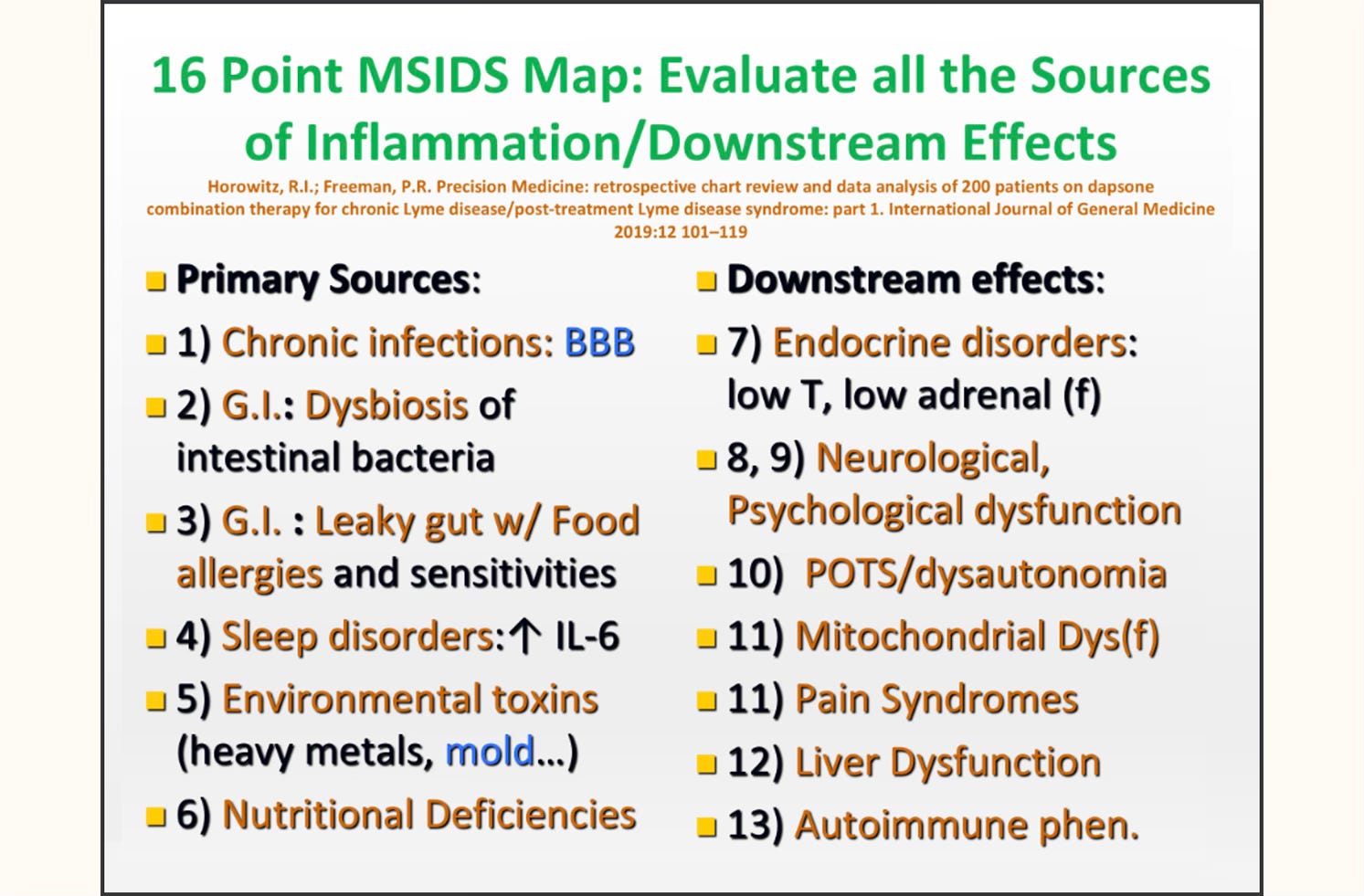
Apart from environmental pollutants, scientific literature has confirmed a role for various infections, nutritional deficiencies, microbiome abnormalities, and leaky gut causing downstream immune/mitochondrial dysfunction. These increase inflammation and can play a significant role in ASD, as with other neurological illnesses, including ADHD, Alzheimer’s disease, and ALS.
All 16 factors on the MSIDS model have been associated with ASD.
THE SIX PRINCIPAL FACTORS AFFECTING ASD ON THE MSIDS MODEL
1. INFECTIONS
A. Bacterial infections: If a pregnant woman in the second or third trimester develops a fever, the risk of ASD increases by 40%. The severity of the infection and associated fevers is more important than whether it is bacterial or viral in origin. Bacterial infections linked to ASD include Group B Strep (GBS), and intrauterine infections that trigger inflammation of the placenta and fetal membranes, including Ureaplasma, Mycoplasma, Chlamydia trachomatis, Gonorrhea, Staph aureus, Gardnerella vaginalis, and Bacteroides. These bacteria increase inflammation in the mother, affecting fetal brain development during critical developmental phases. A higher prevalence of Lyme disease has been found in children with ASD, and Bartonella infections also cause overlapping symptoms including neurological and behavioral issues.
B. Viral infections: Viral infections in the first trimester of pregnancy carry an increased risk of ASD in children, including rubella, CMV, ZIKA, enteroviruses, and HPV. Vaccinating mothers before pregnancy with an MMR vaccine protects the mother and child from serious harm. Fevers from any source in pregnancy can increase ASD risk.
C. Parasitic infections: Maternal toxoplasmosis infection during pregnancy increases ASD risk.
D. Fungal infections: Gastrointestinal Candida albicans overgrowth is twice as frequent in ASD, leading to release of ammonia and other toxins, potentially inducing autistic behaviors.
2. ENVIRONMENTAL TOXINS
As mentioned, environmental toxin exposure during pregnancy, including ultrafine air pollution (< 2.5 ppm and PM10), pesticides, microplastics, BPA, and heavy metals (Hg, Pb, As, Cd, AL) affect the risk and severity of fetal neurodevelopmental disorders. Exposure to plasticizers like phthalates has been linked to hyperactivity, impulsivity, and inattention in children diagnosed with ASD.
3. MICROBIOME ABNORMALITIES
Antibiotic use, before, during, and after pregnancy causing dysbiosis. Altering the microbiota and its metabolites may affect ASD, i.e., children with frequent ear infections given antibiotics have increased rates of autism. Reduced microbial diversity with increased Lactobacillus, Clostridium, Desulfovibrio, Akkermansia, Sutterellaceae and Enterobacteriaceae, along with decreases in Firmicutes, Bifidobacteria, Prevotella, Coprococcus and Veillonellaceae characterize the ASD gut microbiota. Clostridia spp., in particular, produce short-chain fatty acid metabolites that are potentially toxic to the mitochondria, and overgrowth of Desulfovibrio species can increase brain inflammation.
4. LEAKY GUT AND FOOD SENSITIVITIES
Leaky gut has been reported in ASD, which further increases inflammation. Not surprisingly, some children suffer with GI symptoms, including abdominal pain, constipation, and diarrhea. Studies suggest that healing leaky gut and using targeted probiotics may improve functioning.
5. VITAMIN AND MINERAL DEFICIENCIES/FUNCTIONAL MEDICINE ABNORMALITIES
Decreased levels of zinc, Vitamin D, low cholesterol, and low HDL-C as well as glutathione are associated with ASD, along with reductions in the nutritional supply to the fetus, such as in pre-eclampsia. Improper development of the placenta can decrease blood flow to the fetus, depriving the baby of essential nutrients and oxygen, and is clearly associated with ASD. It is increased in those with a family history, diabetes, obesity, chronic hypertension, kidney disease, and autoimmunity. Low levels of glutathione are likely related to ASD, since it helps remove environmental toxins and lowers inflammation.
6. SLEEP DISORDERS
Large numbers (between 60-86% of those with ASD) experience insomnia typically starting at 30 months of age. This impacts cognition, fostering the appearance of aggression, irritability, inattention, and hyperactivity. Impairments in sleep-wake cycles and sensory hyper-reactivity (avoiding bright light) along with impaired social skills affect sleep, leading to daytime behavioral problems and parental stress.
THE 10 DOWNSTREAM EFFECTS OF INFLAMMATION ON THE MSIDS MODEL AFFECTING ASD RISK
1. MITOCHONDRIAL DYSFUNCTION
Up to 80% of those with ASD have mitochondrial dysfunction, contributing to neurological problems, developmental delays, and behavioral challenges.
2. HORMONAL DYSREGULATION
Maternal hormonal disorders are associated with an increased risk of ASD, including Type I diabetes (lack of insulin), Type II diabetes (insulin resistance), gestational diabetes, and maternal obesity. Hyperglycemia and insulin resistance increase inflammation and persistent oxidative stress, negatively impacting fetal brain development. High testosterone levels and low vitamin D levels in early pregnancy are also associated with ASD, explaining in part the higher prevalence in males.
3. LIVER DYSFUNCTION
Hepatic mitochondrial dysfunction, resulting in metabolic imbalances and inflammation in the liver, potentially impacting the gut-brain axis has been implicated in ASD symptoms.
4. POTS/DYSAUTONOMIA
ASD is sometimes associated with a form of Ehler-Danlos syndrome and dysautonomia. If there is an overstimulated ortho-sympathetic (fight or flight) nervous system, causing a high heart rate and hyperarousal, the child experiences a chronic threat response.
5. IMMUNE DYSREGULATION
Immune dysregulation causing brain inflammation with elevated levels of inflammatory cytokines (especially IL-6 and TNF-α) is a major factor in ASD, influencing clinical symptoms. Immune deficiency, predisposing the child/adult to increased infections, is also found in some children, along with hypersensitivity to allergens.
6. AUTOIMMUNE REACTIONS/GENETICS
Genetics affecting immunity, and a family history of autoimmunity (rheumatoid arthritis, thyroiditis) is frequently seen in ASD; children often have multiple auto-antibodies, and anti-brain auto-antibodies are found in ~20 percent of mothers of autistic children.
7. NEUROLOGICAL DYSFUNCTION
Cognitive impairment affecting working memory and executive function varies in ASD and has been linked to neuroinflammation and gastrointestinal dysfunction. Impairments in social cognition, such as emotion perception and processing are also seen.
8. PSYCHOLOGICAL DYSFUNCTION
Chronic autonomic hyperarousal is linked to emotional and behavioral difficulties with anxiety and a heightened threat response, where social interactions are perceived as dangerous, forced, and unwelcomed.
9. PAIN SYNDROMES
Inflammation, chronic pain, and pain hypersensitivity are associated with ASD. Maternal inflammation (infectious, or non-infectious origins), neuroinflammation (microglial activation), gastrointestinal inflammation (with leaky gut), and skin inflammation have all been noted.
10. DECONDITIONING
Difficulties with motor skills (walking, running, jumping, and balance) and physical limitations are seen in ASD, increasing disability with sedentary lifestyles and obesity.
What About Vaccines?
Multiple epidemiological studies examining the risk of the MMR vaccine and autism did not show an association between the two. At this point, there have been 16 well-conducted large population-based studies that were carefully designed by different investigators in different countries. No relationship between thimerosol (mercury), which was never added to MMR vaccines, or the amount of vaccines given, were associated with ASD. With kids dying of measles, there is no reason not to vaccinate your child to protect them.
Could There Be a Link with Aluminum Toxicity and ASD?
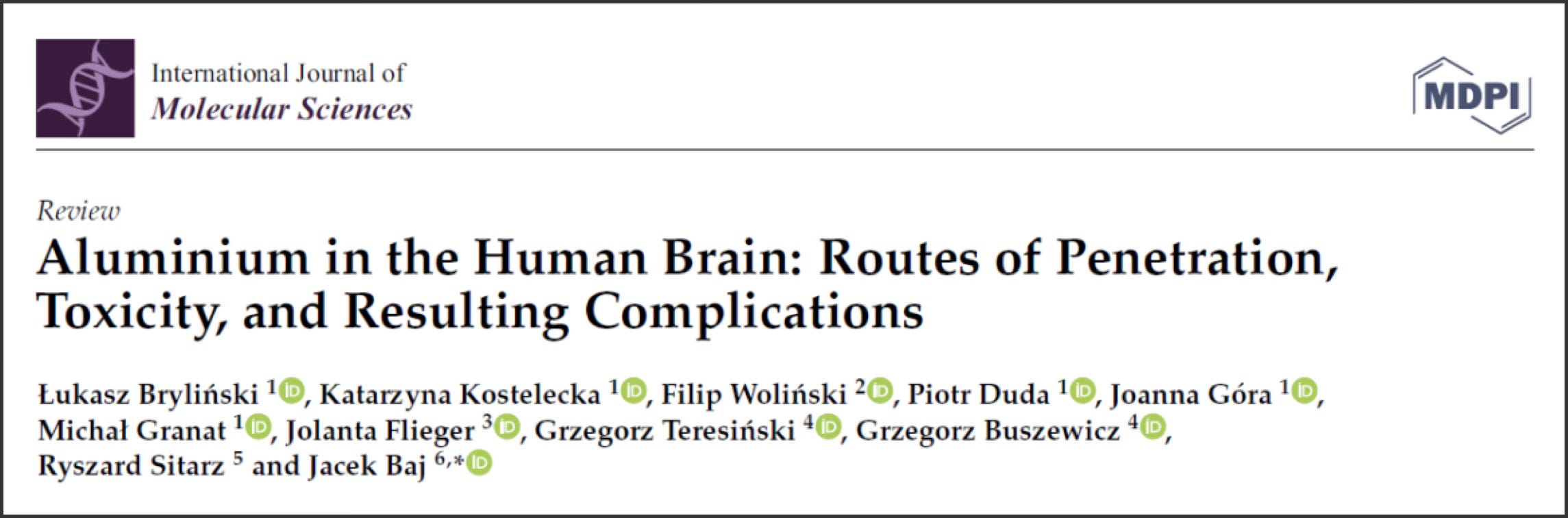
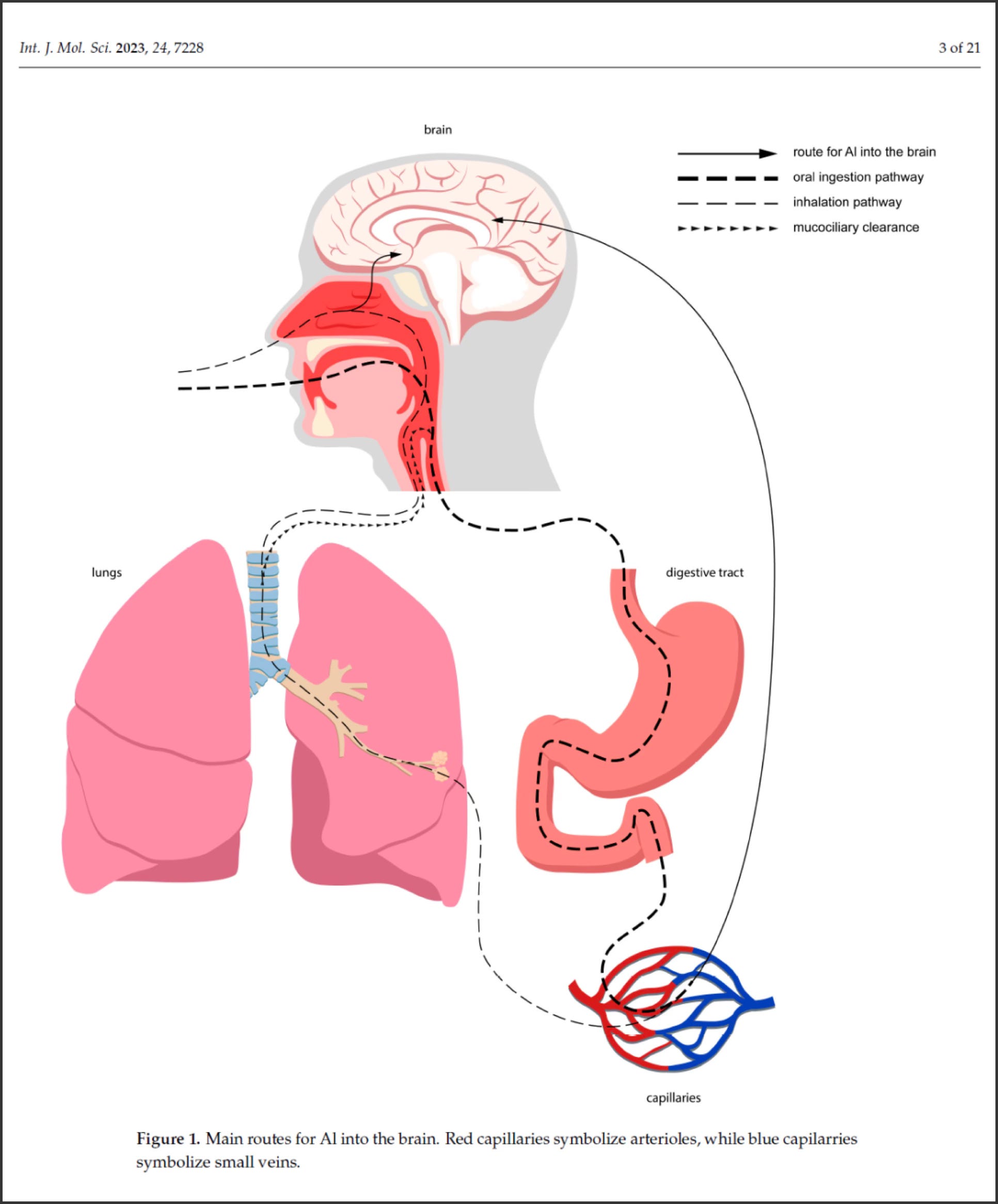
Here is an interesting question: Why did some children who got a vaccine containing aluminum as an adjuvant develop increased neurological symptoms? Boretti (2021) reviewed the association between aluminum adjuvants and ASD, because higher levels of aluminum have been found in the brains of ASD patients. Similarly, Tomljenovic and Shaw (2011) found correlations between aluminum exposure from vaccines and ASD prevalence in Western countries.
This is definitely one area RFK Jr. should explore. Ready-to-drink and powdered infant formulas are contaminated with aluminum, with soy-based formulas containing even higher levels. What happens when your sink has a clogged drain, is filled with toxins, and you add one more toxin? It overflows. In this scenario, a vaccine with aluminum could trigger a severe autoimmune reaction, although these vaccines contain negligible amounts. Much more research needs to be done.
How Can We Lower ASD Rates?
Can we lower ASD rates by improving detoxification? If we give mothers NAC, a precursor of glutathione in pregnancy, along with glutathione--which detoxes the countless environmental toxins mothers and children are exposed to and helps to fight viral infections--will that lower ASD rates? (I tell my pregnant patients to run this by their OB-GYNs). If we were to test young children for the MSIDS abnormalities, listed above, before they got symptoms, and properly treat them, would that improve ASD rates? Similarly, in those children with neurodevelopmental issues, could addressing all of the above abnormalities on the MSIDS model improve their functioning?
Based on discussions with physicians who regularly treat ASD, and a review of the literature using the lens of the MSIDS model, I believe the answers will be found here, Mr. Kennedy.