



A landmark paper on the safety of glyphosate was recently retracted from the scientific journal, Regulatory Toxicology and Pharmacology. I know, shocking.
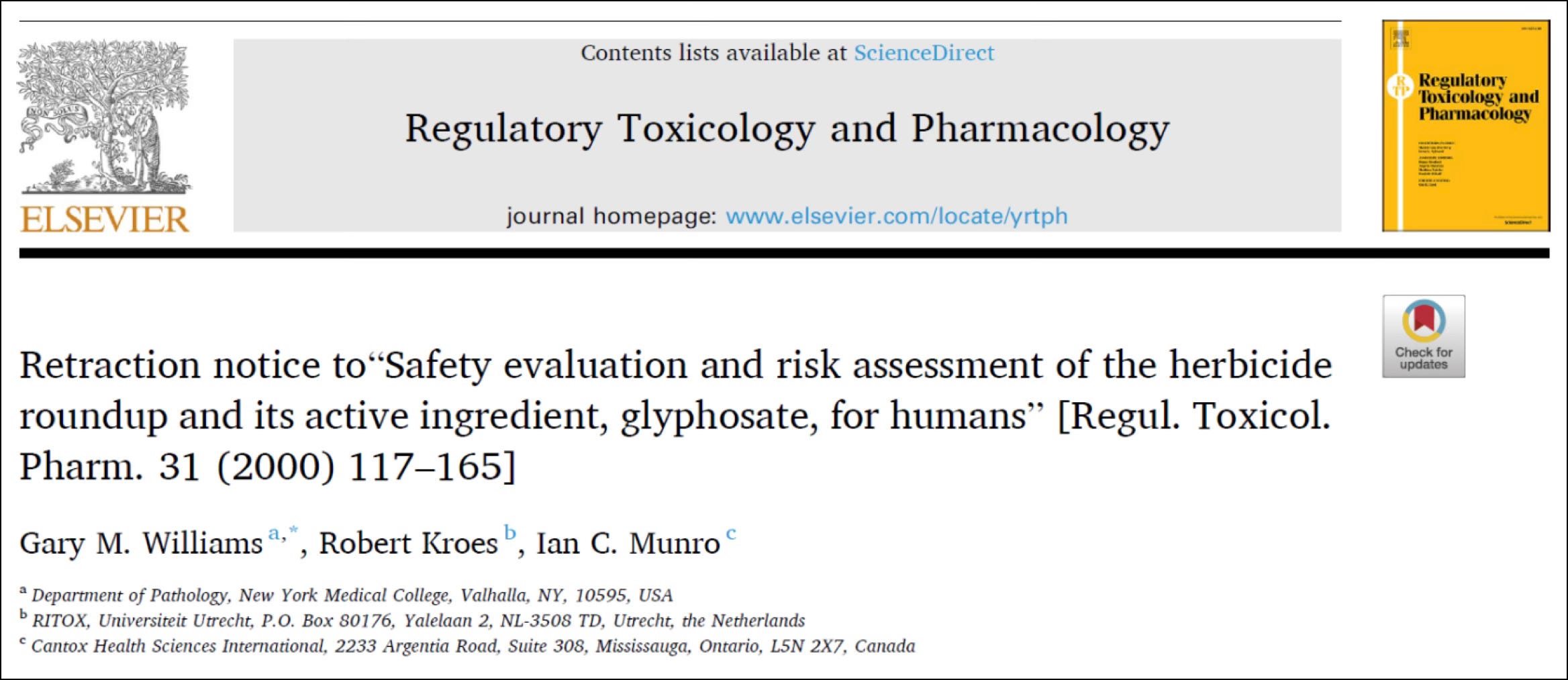
This article was picked up by the NY Times on January 2, 2026. See below:

“In retracting the study last month, the journal, Regulatory Toxicology and Pharmacology, cited “serious ethical concerns regarding the independence and accountability of the authors.” Martin van den Berg, the journal’s editor in chief, said the paper had based its conclusions largely on unpublished studies by Monsanto.
There were indications that the authors had received financial compensation from Monsanto for their work, he said. There was no disclosure of a conflict of interest on the part of the authors beyond a mention in the acknowledgments that Monsanto had provided scientific support. As a result, Dr. van den Berg said, he “had lost confidence in the results and conclusions of this article.”
Safety Issues Regarding Pesticide Exposure
The retraction followed the discovery of internal documents (the “Monsanto Papers”) revealing that the study which claimed to be an independent review, was ghostwritten by industry scientists. The retracted paper had dismissed evidence of DNA damage and tumor formation in animal models. This retraction has forced global regulators, including the EPA and the European Food Safety Authority (CFSA), to reevaluate the risk assessments, as they can no longer rely in the industry funded “gold standard” research that previously dictated policy.
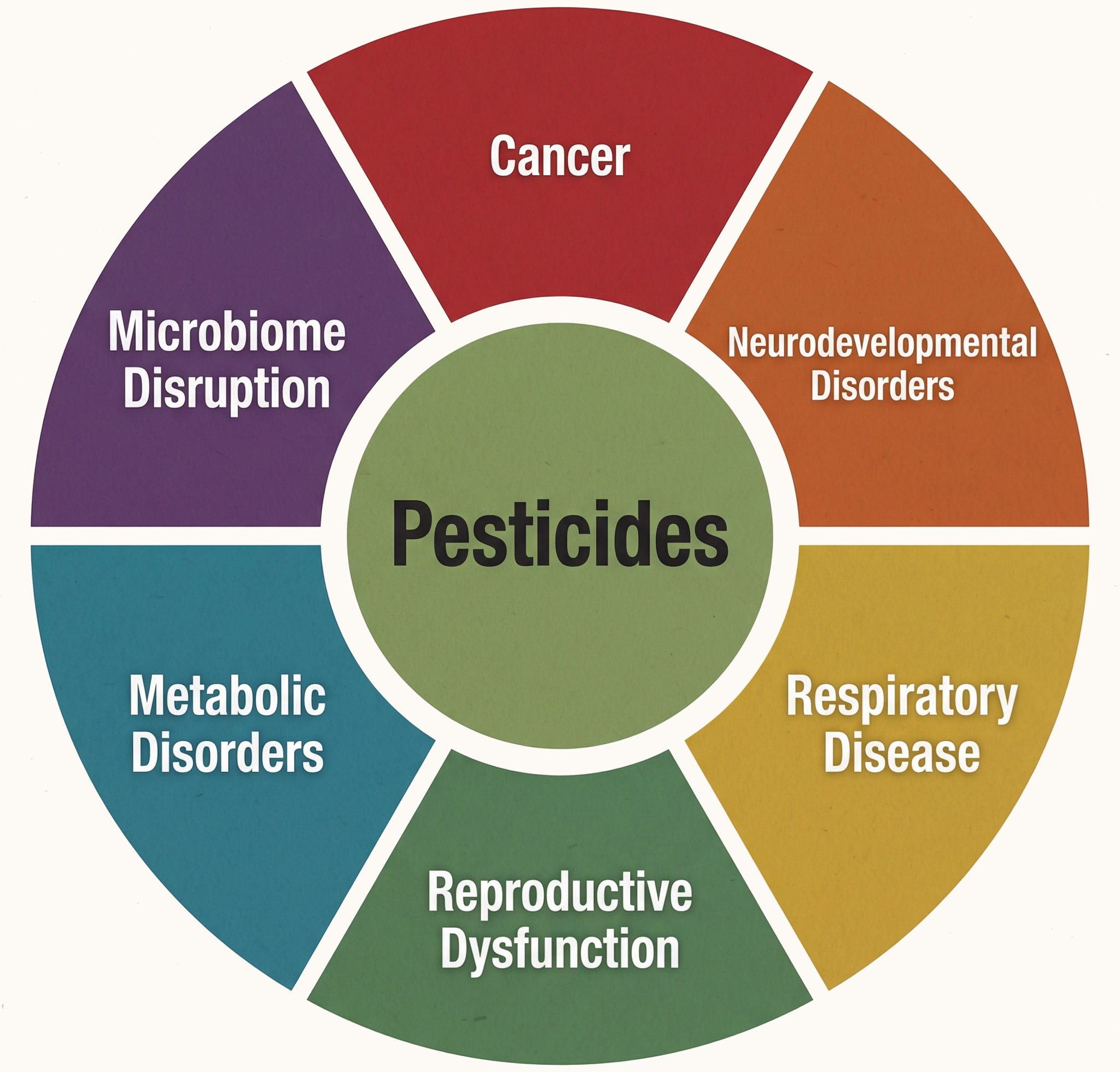
Now the debate on the safety of glyphosate has been going on for decades. And not just with glyphosate. Pesticide exposure is associated with a wide range of chronic health effects in the scientific literature. These include increased risks of cancer, neurodevelopmental disorders, respiratory disease, reproductive dysfunction, metabolic disorders such as diabetes as well as microbiome disruption.
We Are Living in a Chemical Soup
The problem with doing any scientific studies on environmental toxins is that we are being exposed to hundreds/thousands of chemicals on a daily basis with multiple pesticides being part of our toxic load. Teasing out the effects of one pesticide can be difficult, unless you can prove significant exposure (which has been done in some of the studies listed below). That being said, cancer is one of the most extensively studied outcomes in the medical literature. Epidemiological evidence demonstrates associations between pesticide exposure and various malignancies, including leukemia, brain tumors and lymphomas. In the article published in the New York Times, they cited thousands of individuals who have sued for non-Hodgkin’s lymphoma:
“Thousands of plaintiffs, including farmers and gardeners diagnosed with non-Hodgkin lymphoma, have sued Monsanto alleging that Roundup caused their cancer and that the company had covered up the risks. In an early case, a jury in a California state court awarded $289 million to Dewayne Johnson, a school groundskeeper, after concluding that glyphosate had caused his cancer. Monsanto, jurors said, had failed to warn consumers of the risk.
Since then, Bayer has paid out more than $10 billion to settle approximately 100,000 Roundup claims, and faces the potential of further costly lawsuits and jury verdicts, given the many thousands of people who may have been exposed. The settlements have not included admissions of liability or wrongdoing, and Bayer has continued to sell the product.”
Organochlorine Pesticides Have Particularly Been Linked to ↑ Cancer Incidence
We should not be surprised at a potential link. Organochlorine pesticides have been linked to increased cancer incidence through mechanisms including genetic and epigenetic impairments (meaning future generations are at risk), DNA methylation, histone modifications (the packaging surrounding DNA that protects it from oxidative stress), and cell cycle disruptions.

Parental pesticide use, particularly insecticides, shows associations with acute lymphocytic leukemia (ALL) and brain tumors in children, with prenatal, household and occupational exposures representing the largest risks. You may have recently seen that Tatiana Schlossberg, RFK Jr’s first cousin, recently died of a type of aggressive leukemia, known as Acute Myeloid Leukemia (AML).

AML is primarily a genetic disease in that it is caused by DNA mutations, but it is rarely hereditary. Research as of 2026 shows a strong association between AML and pesticide use, which can trigger these genetic mutations and scientific reviews and biomonitoring data as of 2026 indicate that humans are exposed to dozens of pesticides daily through food, water, and air.
Other Health Effects: Neurodevelopmental and Neurodegenerative Effects
Prenatal and early childhood exposure to organophosphates and organochlorines is associated with poor mental development, increased rates of autism spectrum disorder, ADHD, and cognitive impairments. And the timing of exposure is critical. Prenatal exposure during the first and 3rd trimesters appears most harmful, although postnatal exposure in early childhood also increases risks, particularly for ADHD.

In adults, chronic pesticide exposure is linked to Parkinson’s disease, Alzheimer’s disease, and amyotrophic lateral sclerosis (ALS). In Alzheimer’s, glyphosate is implicated in the formation of amyloid beta plaques and because glyphosate can cross the blood brain barrier (BBB), it can also interfere with the brain’s ability to clear metabolic waste (the glymphatic system). Furthermore, the disruption of the gut brain axis-where gut dysbiosis sends inflammatory signals to the brain-is now considered a primary driver in the progression of cognitive decline and dementia.
Reproductive and Developmental Toxicity of Pesticides
Known effects of pesticides includes infertility, adverse birth outcomes (low birth weight, physical birth defects, fetal death), and endocrine disruption affecting pubertal timing. Pesticides interfere with sperm capacitation, which involves a crucial series of biochemical and physiological changes sperm undergo in the female reproductive tract (or in lab media) to become capable of fertilizing an egg. Male sperm counts have also decreased by two thirds in the last 50 years and pesticides interfere with hormone regulation, contributing in part to rising rates of male and female infertility.
Respiratory Effects and Metabolic Disorders
These include asthma, bronchitis, and chronic obstructive pulmonary disease (COPD). Metabolic disorders such as diabetes and obesity also show associations with pesticide exposure. The primary mechanisms involved oxidative stress, DNA damage, mitochondrial dysfunction, endocrine disruption and inflammatory responses mediated through pathways including NLRP3 inflammasome activation.

Effects on the Microbiome
The most profound effect of glyphosate may be on the gut microbiome, leading to dysbiosis and the depletion of beneficial bacteria like Lactobacillus and Bifidobacterium, while allowing pathogenic strains like Salmonella and Clostridium to thrive (they are often more resistant to the chemical). The microbial imbalance weakens the intestinal barrier, leading to systemic inflammation and “leaky gut” which underlies many chronic disease processes, including autoimmune disease.
OK, Pesticides Are Bad For Health. How Much Pesticides Are We Regularly Exposed to in the United States?
Average Body Burden: Biomonitoring data from the CDC’s National Report on Human Exposure to Environmental Chemicals shows that the average American has approximately 13 different pesticides in their body at any given time.
High-Exposure Groups: At least half of the people tested in large-scale studies carried 18 or more pesticides in their blood or urine.
Children’s Daily Intake: On average, American children are exposed to 5 or more different pesticides daily solely through their diet.
Detection Rates: Research shows a near-100% certainty that most U.S. residents carry a mixture of pesticide residues. While there are nearly 200 pesticides that the general public may be exposed to, it is currently impossible for agencies to monitor all of them simultaneously in the human body.
Global Pesticide Exposure
General Population (Europe): A recent large-scale European study detected a median of 17 different pesticides in the general population.
Occupational Exposure: Farmers and agricultural workers have significantly higher daily exposures, with a median of 36 different pesticides detected in their immediate environment or bodies.
Widespread Residues: Human biomonitoring surveys found that 84% of children and adults in multiple countries contained residues of two or more pesticides simultaneously.
Total Market: The World Health Organization (WHO) identifies more than 1,000 different pesticides used globally to protect food supplies, many of which persist in soil and water for years.
Key Exposure Sources
Diet: Dietary intake is the primary route for the general public, with residues found in up to 70% of produce sold in the U.S.
Water: Approximately 50 million Americans drink from groundwater sources potentially contaminated with pesticides.
Environment: Pesticides are also frequently detected in household dust, pet products, and air, particularly in agricultural regions.
Yet we are being exposed to a lot more than just pesticides. How well are regulatory agencies doing in protecting us?
The CDC’s ongoing National Report on Human Exposure to Environmental Chemicals provides the following key findings:
Growing Number of Tracked Chemicals: The initial report in 2001 measured 27 chemicals; the Fourth Report (2009) expanded to 212. As of 2026, updated data tables include information on more than 400 chemicals.

What Are The Results of the CDC Environmental Exposure Report?
It’s not good.
Widespread Exposure: Many chemicals are found in nearly all tested individuals. For example:
PFAS (Forever Chemicals): Found in the blood of nearly all people in the U.S.
Bisphenol A (BPA): Detected in more than 90% of urine samples representative of the U.S. population.
Flame Retardants (PBDEs): One common type, BDE-47, was found in the serum of nearly all participants.
Vulnerable Populations: Data shows that children often have higher exposure to certain chemicals, such as pesticides, phthalates, and secondhand tobacco smoke, compared to adults.
Health Significance: The CDC emphasizes that finding a chemical in a person’s body does not automatically mean it causes disease or harm. While health thresholds are well-defined for some substances (like lead), research is still ongoing to determine the health risks for many others. And the effects are based on your total toxic load, genetics, and how well your detoxification pathways are working…
The Unseen Chemicals in Our Food And the Crisis of Regulatory Science
While industrial innovation has enabled unprecedented yields and food convenience, it has simultaneously introduced a suite of persistent synthetic chemicals into the human biological system. Chief among these are glyphosate, the world’s most widely used herbicide, and PFAS, a class of thousands of “forever chemicals.”
Historically, regulatory bodies have maintained that the substances are safe at current exposure levels. However, as of 2025 and 2026, a significant shift in the scientific literature, marked by high profile retractions and mounting evidence of neurodegenerative links and cancer-has reopened the debate on their safety.
PFAS in the Food Chain Gets Into the Body With Pesticides
Unlike pesticides, PFAS are not intentionally sprayed on crops, but they enter food production through multiple vectors. These include:
Food packaging: PFAS provides grease and water resistance to fast food wrappers, microwave popcorn bags and molded fiber bowls. These chemicals migrate from the packaging into the food, especially when the food is hot or fatty.
Agricultural inputs: PFAS are found in “biosolids” which is treated sewage sludge used as fertilizer. Once in the soil, they are absorbed by the roots of plants, effectively entering the edible tissues of vegetables and grains.
Contaminated water: PFAS used in industrial firefighting foams and manufacturing leach into groundwater, which is then used for crop irrigation and livestock watering.
Bioavailability and Mechanisms of Ingestion
The primary route of entry for these chemicals is the gastrointestinal tract. Once ingested, their behavior in the body differs significantly. Glyphosate is highly water-soluble. While a large portion is excreted through urine, a significant percentage is absorbed into the bloodstream. Emerging research suggests it can cross the blood brain barrier (BBB) by mimicking glycine, and amino acid, allowing it to interfere with neurological processes.
PFAS on the other hand are lipid and protein bound. They have an extremely long half-life in the human body (often years) because they are not easily metabolized. Instead, they undergo enterohepatic recirculation, with the are secreted into the bile, only to be absorbed by the gut further down the digestive tract.
The Need for Enhanced Detoxification
The liver uses the cytochrome P450 family to transform fat soluble toxins into water-soluble ones. Glyphosate has been shown to inhibit these enzymes, effectively “clogging” the body’s natural detoxification system. Regarding PFAS, it binds so tightly to proteins and is recirculated by bile, that the body also struggles to eliminate them. How can we support detoxification?
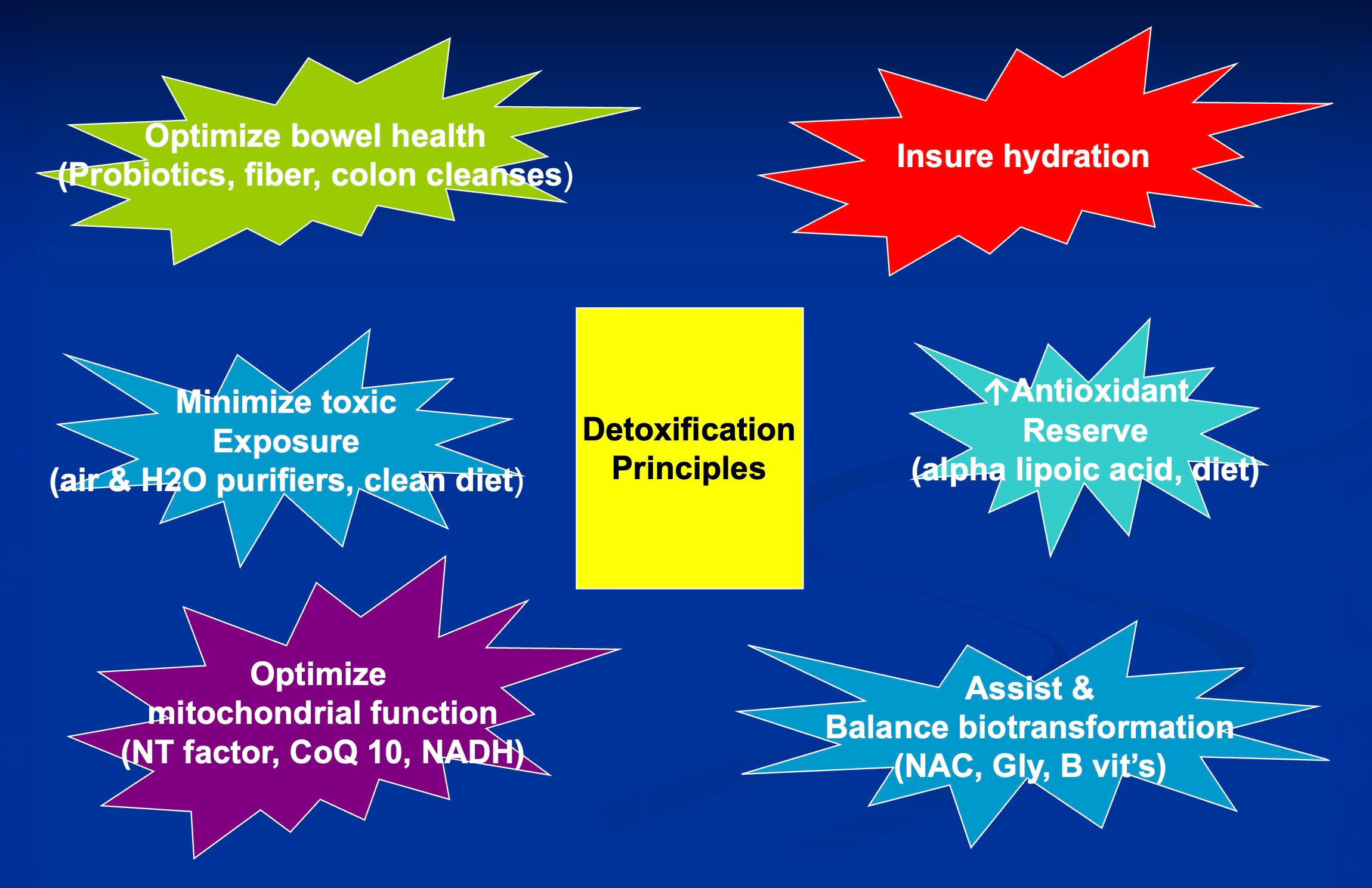
Specific Strategies for Detoxification:
Apart from increasing hydration, minimizing toxic exposure (eating organic when possible), and optimizing mitochondrial function:
Dietary fiber: Soluble fiber can bind to PFAS and glyphosate in the gut, preventing reabsorption, and carrying them out of the body via feces. I use a teaspoon of organic flaxseed, black seed, and hemp seed in a low carbohydrate yogurt in the morning; I then take one scoop of Fiber MGP (Orthomolecular) in 8 ounces of water later in the day to increase my dietary fiber intake.
Increase Cruciferous Vegetables: Broccoli, kale, and cabbage contain sulforaphane, which upregulates phase 2 detoxification enzymes. Apart from trying to eat these vegetables, I personally take BrocColinate (NuMedica) 60 mg, 2 per day to support phase 2 detoxification and DIM (Diindolemethane, Xymogen) 2 capsules once a day to support phase 1 detoxification enzymes.
Sweating: PFAS and heavy metals can be excreted through sweat via saunas or vigorous exercise. Think about using infrared sauna more often!
Blood donation: Interestingly, studies of firefighters that have shown regular blood or plasma donation can significantly reduce PFAS levels in the blood as the chemicals are drained along with the blood proteins that they bind to.
Conclusion and Future Outlook
The safety of glyphosate, other pesticides and chemicals like PFAS is no longer in question. We live in a chemical soup where toxins interact synergistically. The link between environmental chemicals and cancer, adversely affecting our microbiome, with rising neurodegenerative, metabolic and cardiorespiratory diseases, should prompt the EPA to do the right thing. Their job is to protect public health. Will they eclipse science to favor corporate interests? Stay tuned. In the meantime, consider regularly supporting your detoxification pathways. More information on the nutraceuticals I take and regularly advise patients to take can be found on our website under: https://cangetbetter.com/nutritional/
Stay healthy and detoxify!