



Part 1 of this microbiome series discussed what’s in your microbiome, and its importance regarding metabolism, immunity (fighting infections and cancer), as well as its essential role in modulating inflammation.
While we have distinct microbial communities on our skin, in our mouths and airways, and in our reproductive tracts, the gut microbiome is arguably the most impactful.
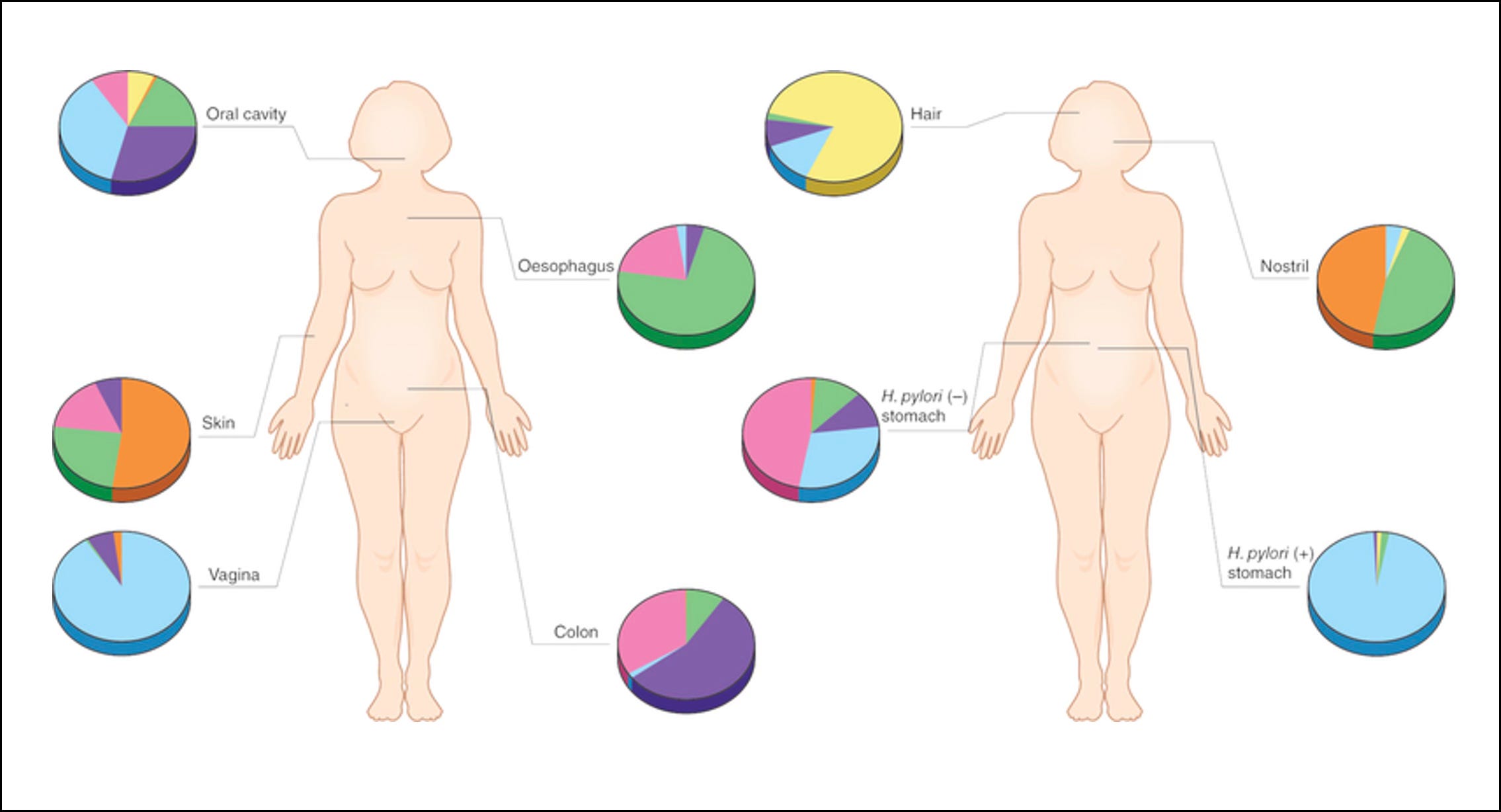
Let’s see how the microbiome and dysbiosis are implicated in a broad range of chronic illnesses. You may be surprised to learn that the microbiome influences the course of most chronic diseases!
Dysbiosis in Asthma and Allergies (A/A)

People with asthma and allergies (A/A) have altered microbiomes with reduced diversity, increased abundance of certain harmful bacteria, and decreased abundance of beneficial bacteria, worsening inflammation with an overactive immune response. Beneficial bacteria for A/A with anti-inflammatory effects include Bifidobacteria, Lactobacilli, Faecalibacterium prausnitzii; Akkermansia muciniphilia, and certain species of Clostridia, which can strengthen the gut barrier.
ADD/ADHD
Children with ADHD have differences in their microbiome compared to children without it. This includes less bacterial diversity, altered levels of certain bacteria (less Faecalibacteria and Bifidobacteria with increased levels of Desulfovibrio and Odorbacter), and increased fungi. Imbalances in the gut-brain axis can affect brain inflammation, and new, cutting-edge approaches manipulating the microbiome with probiotics have shown some promise for treatment.
Autism Spectrum Disorder (ASD)
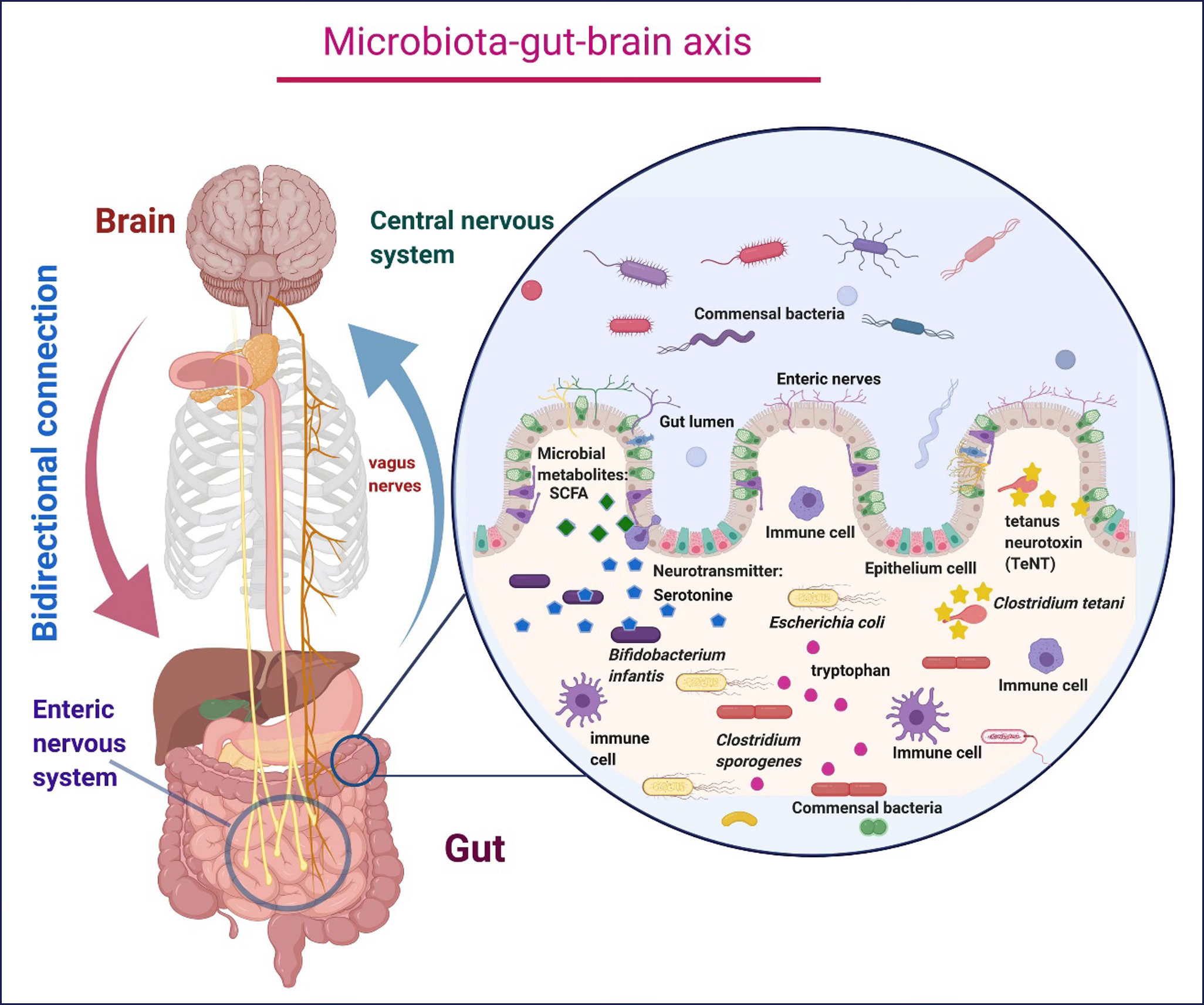
Antibiotic use, before, during and after pregnancy causing dysbiosis and altering the composition of the microbiota and its metabolites may affect ASD, i.e., children with frequent ear infections given antibiotics have increased rates of autism. Reduced microbial diversity with increased Lactobacillus, Clostridium, Desulfovibrio, Akkermansia, Sutterellaceae, and Enterobacteriaceae, along with decreases in Firmicutes, Bifidobacteria, Prevotella, Coprococcus, and Veillonellaceae characterize the ASD gut microbiota. Clostridia spp., in particular, produce short-chain fatty acid metabolites that are potentially toxic to the mitochondria; and overgrowth of Desulfovibrio species can increase inflammation. These interactions take place via the microbiota-gut-brain axis.
Alzheimer’s Disease (AD) and Mild Cognitive Impairment (MCI)
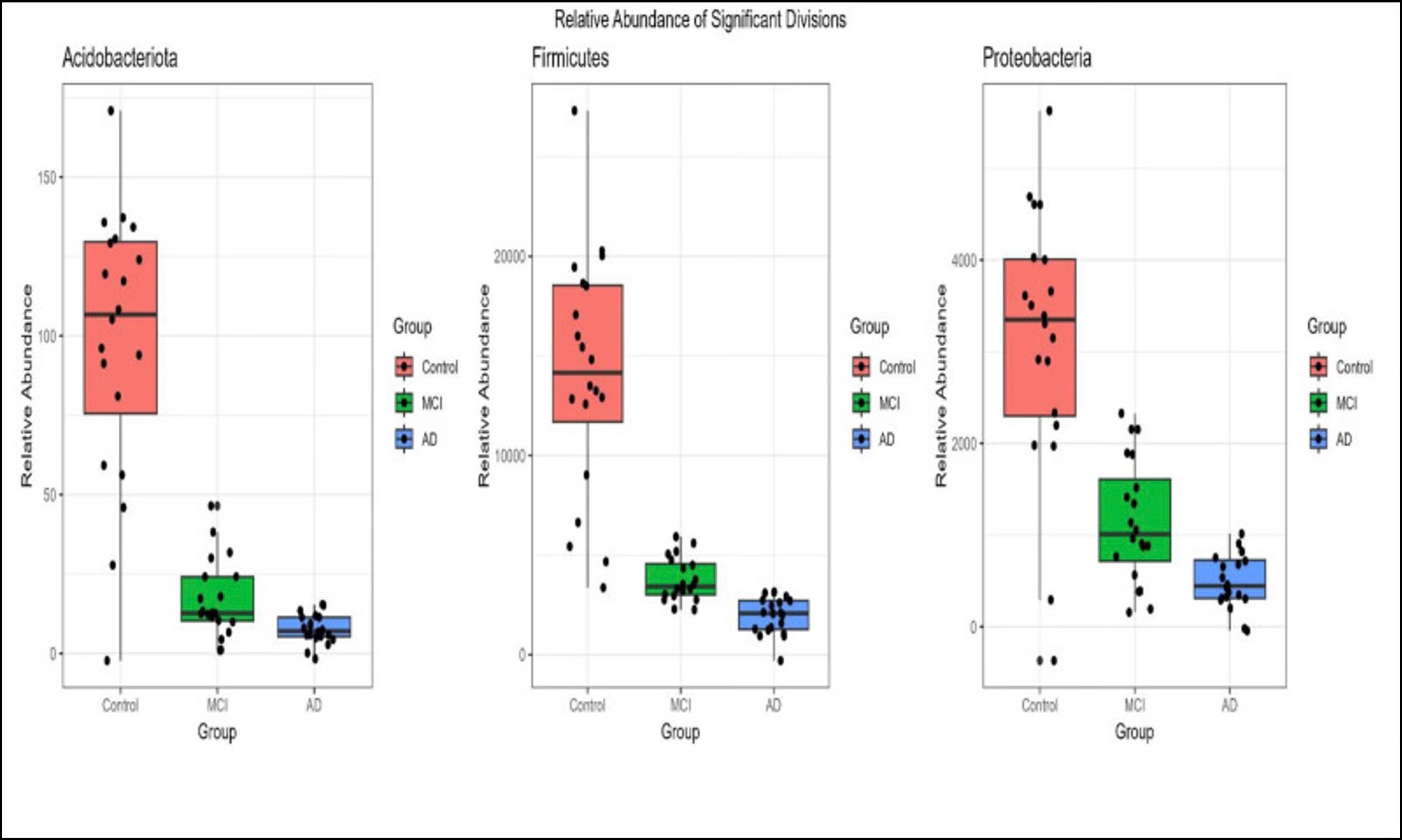
There is a strong connection between the gut microbiome and dementia. Patients with AD, but not mild cognitive impairment (MCI), showed significantly decreased microbial diversity and dysbiosis of intestinal bacteria, with reduction of Akkermansia, Clostridiaceae, Firmicutes, and Lachnospira. Increases in Bacteroides, Collinsella, Enterobactericeae, and Veillonella have however been associated with both AD and MCI. An imbalance in gut bacteria and the microbiome can produce pro-inflammatory molecules, leading to immune dysfunction and neuroinflammation while disrupting neurotransmitter production affecting mood and cognition. That is why we call the bacteria in the gut the “psychobiome.” In the illustration below, you will notice that normal controls (in red) have much more diversity and abundance of beneficial bacteria, which are less in MCI (in green), and further worsened in AD (in blue).
Cardiovascular Diseases
Fungi like Aspergillus fumigatus and the Candida albicans yeast may play a role in coronary artery disease (CAD) and heart attacks (myocardial infarction, or MI). This is primarily through fungal endocarditis (infection of heart valves), but specific gut fungal communities (the mycobiome) significantly affect the severity of CAD. Certain fungi (Ascomycota, Basidiomycota) in the gut mycobiome change significantly with CAD progression, exacerbating inflammation and endothelial dysfunction, and opportunistic fungi like Candida albicans and Malasseria spp. are higher in those with atherosclerotic heart disease (ASHD).
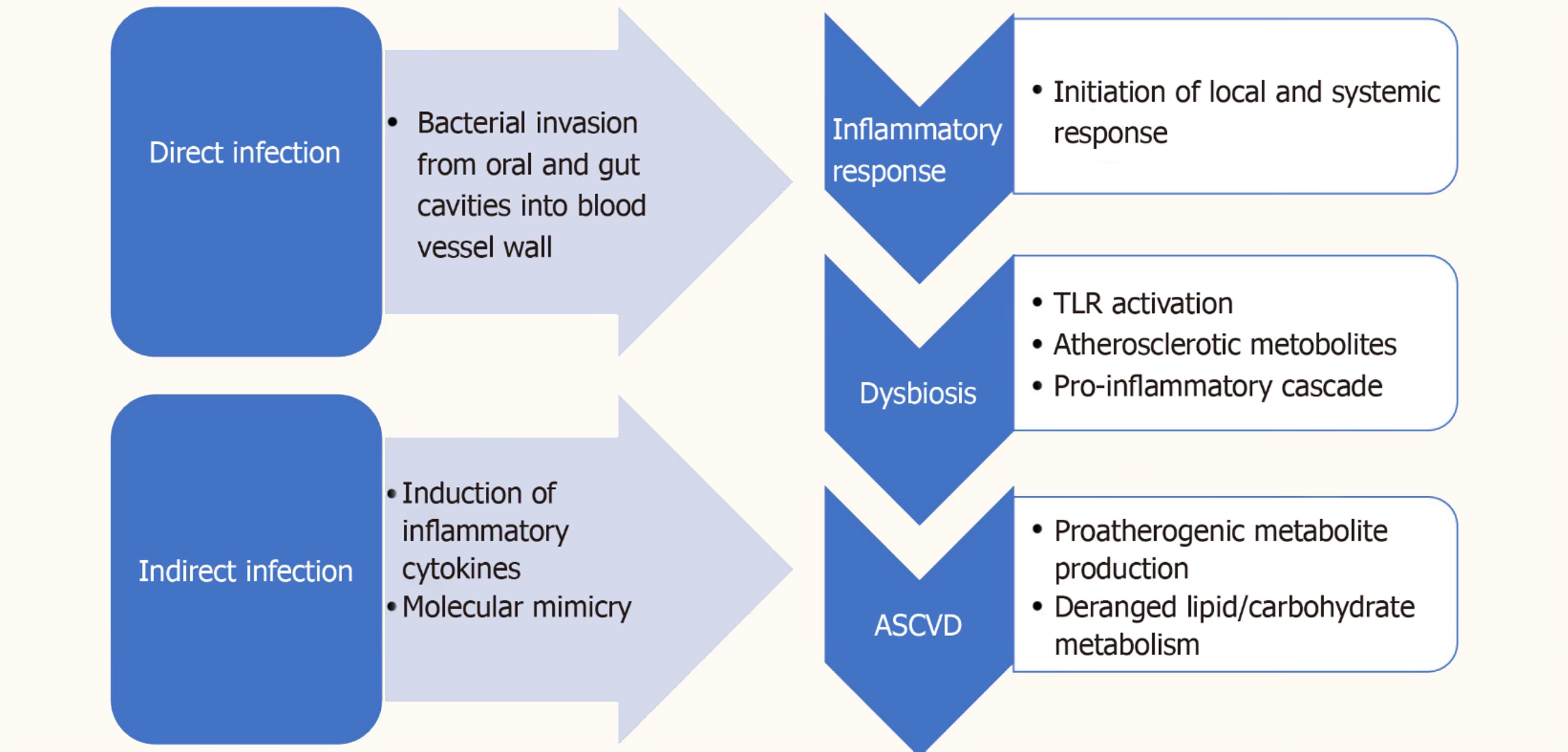
An abnormal gut microbiota is linked to the development of ASHD/CAD, MI, hypertension, and myocardial fibrosis. Decreases in beneficial microorganisms including Bacteroides, Prevotella, and Firmicutes, and an increase in harmful bacteria including Collinsella, Proteobacteria, and Enterobacteriaceae may contribute to the development of CAD through the production of harmful metabolites. These include the production of trimethylamine-N-oxide (which increases with red meat consumption, explaining in part why eating red meat is bad for you!), decreased synthesis of beneficial short-chain fatty acids (SCFAs), and immune system activation/inflammation mediated by lipopolysaccharides (LPS).An elevated LPS in the blood indicates intestinal permeability or leaky gut. The image below illustrates proposed mechanisms of how micro-pathogens can mediate atherosclerotic cardiovascular diseases.
Cancer
Many studies comparing cancer patients to healthy individuals have found a decrease in overall microbial richness and diversity. This shift often involves a reduction in beneficial bacteria and an expansion of potentially harmful or pathogenic species. In some gastrointestinal cancers, such as colorectal cancer (CRC), dysbiosis appears to worsen with disease progression. The microbial signature in a tumor can differ from that in adjacent normal tissue, and these differences become more pronounced as the disease advances.
Specific Bacteria Have Been Found to Promote Cancer Development through Several Mechanisms:
Fusobacterium nucleatum: This periodontal bacterium is found in abundance in Colorectal Cancer (CRC) tumors and is associated with poorer patient outcomes. Its pro-tumorigenic actions include promoting inflammation and suppressing the anti-tumor immune response.
Helicobacter pylori: A well-known risk factor for gastric cancer, H. pylori causes chronic inflammation in the stomach lining, which can eventually lead to malignant transformation.
Escherichia coli (pks+ strains): Certain E. coli strains possess a pathogenicity island called pks, which produces a genotoxin called colibactin. Colibactin can cause DNA damage in host cells, contributing to mutations that lead to cancer.
Invasive species: Some cancers are associated with an overgrowth of invasive or oral bacteria, such as Bacteroides, Campylobacter, and Porphyromonas.
Fungal infections: Candida and Aspergillus are the primary fungi associated with different cancers. Candida spp. is implicated in stomach and colon cancer; pulmonary aspergillosis, primarily seen in immunocompromised patients, is associated with different leukemias because we need a healthy immune system to fight cancer. Candida is also predictive of metastatic disease, and tumor-associated Candida DNA has been linked to decreased survival in gastrointestinal cancers. Many individuals have Candida overgrowth due to high carbohydrate diets, immune suppression, chronic inflammation in the GI tract, microbiome dysbiosis, along with using oral contraceptives and proton pump inhibitors (PPIs). PPIs are OTC medications commonly used for reflux, and suppress gastric acid production, allowing microbial colonization and overgrowth of Candida.
Microbiome Abnormalities in Different Cancers
Whenever there is a reduction in bacterial diversity and an imbalance in microbial populations, it can result in chronic inflammation, altered gut permeability and immune responses, and production of carcinogenic metabolites with DNA damage.
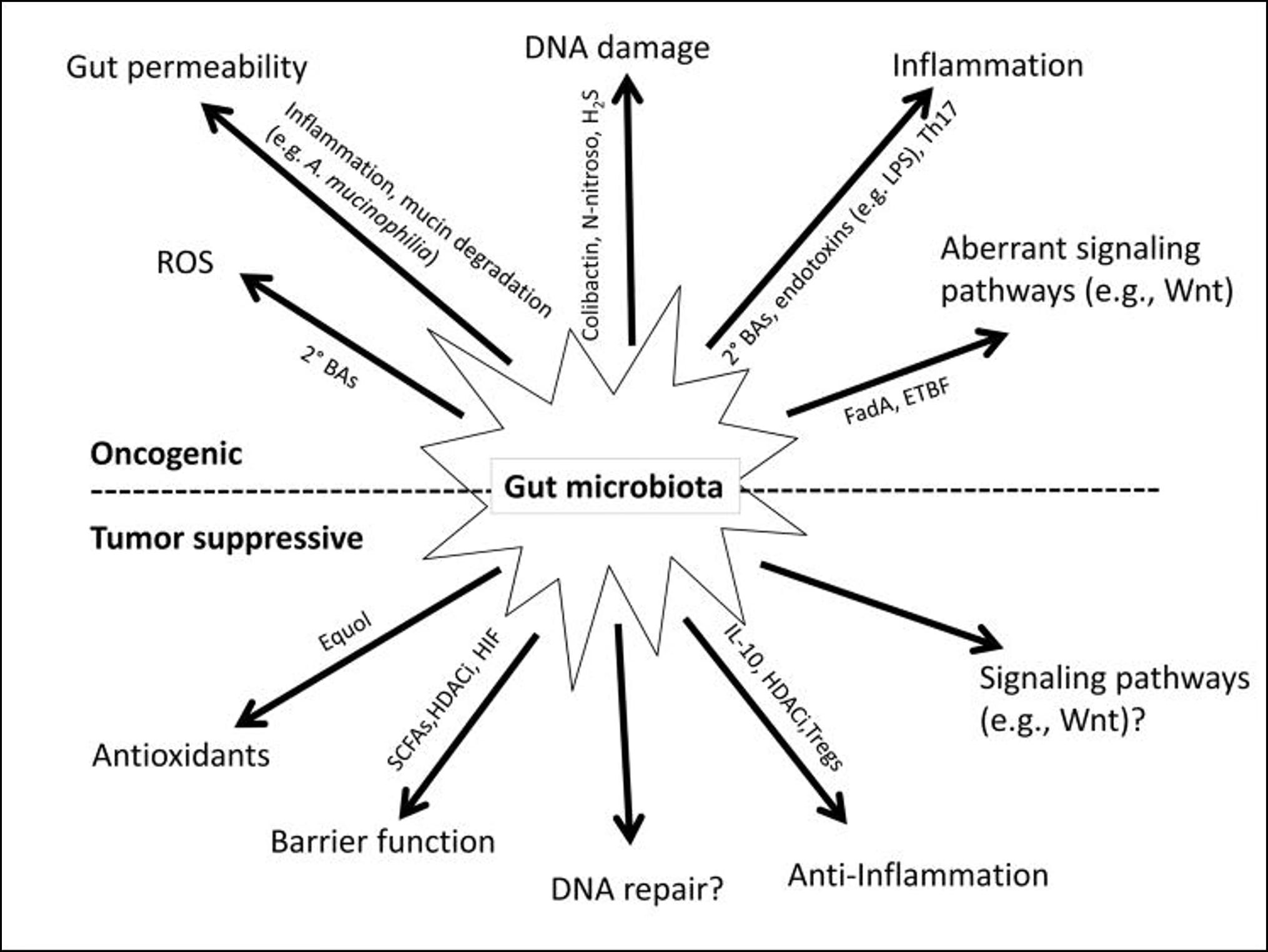
Colon Cancer: With colon cancer and microbiome abnormalities, too many Firmicutes, Bacteriodetes, enterotoxigenic Bacteroides fragilis, and Fusobacterium nucleatum promote tumorigenesis by causing DNA damage and inflammation while adversely influencing the local antitumor response. Abnormalities in the gut microbiome also are associated with breast cancer, prostate cancer, and lung cancer.
Breast Cancer: Dysbiosis influences breast cancer risk by modulating estrogen metabolism. The bacterial genera Sellimonas and others produce an enzyme, beta-glucuronidase, that increases the colon-liver circulation of estrogens, thereby linked to an increase in cases of estrogen-receptor positive breast cancer.
Prostate Cancer: With prostate cancer, an increase in bacterial taxa like Bacteroides and Clostridia create metabolites that promote a pro-inflammatory environment that supports tumorigenesis, influencing local immune responses.
Lung Cancer: In lung cancer, particularly non-small cell lung cancer, gut dysbiosis with an increase in Anaerotruncus spp. and Bacteroides caccae cause a pro-inflammatory state with systemic inflammation and immune dysregulation, creating an immunosuppressive tumor microenvironment conducive to lung cancer development.
CFS/ME/Fibromyalgia (FM)
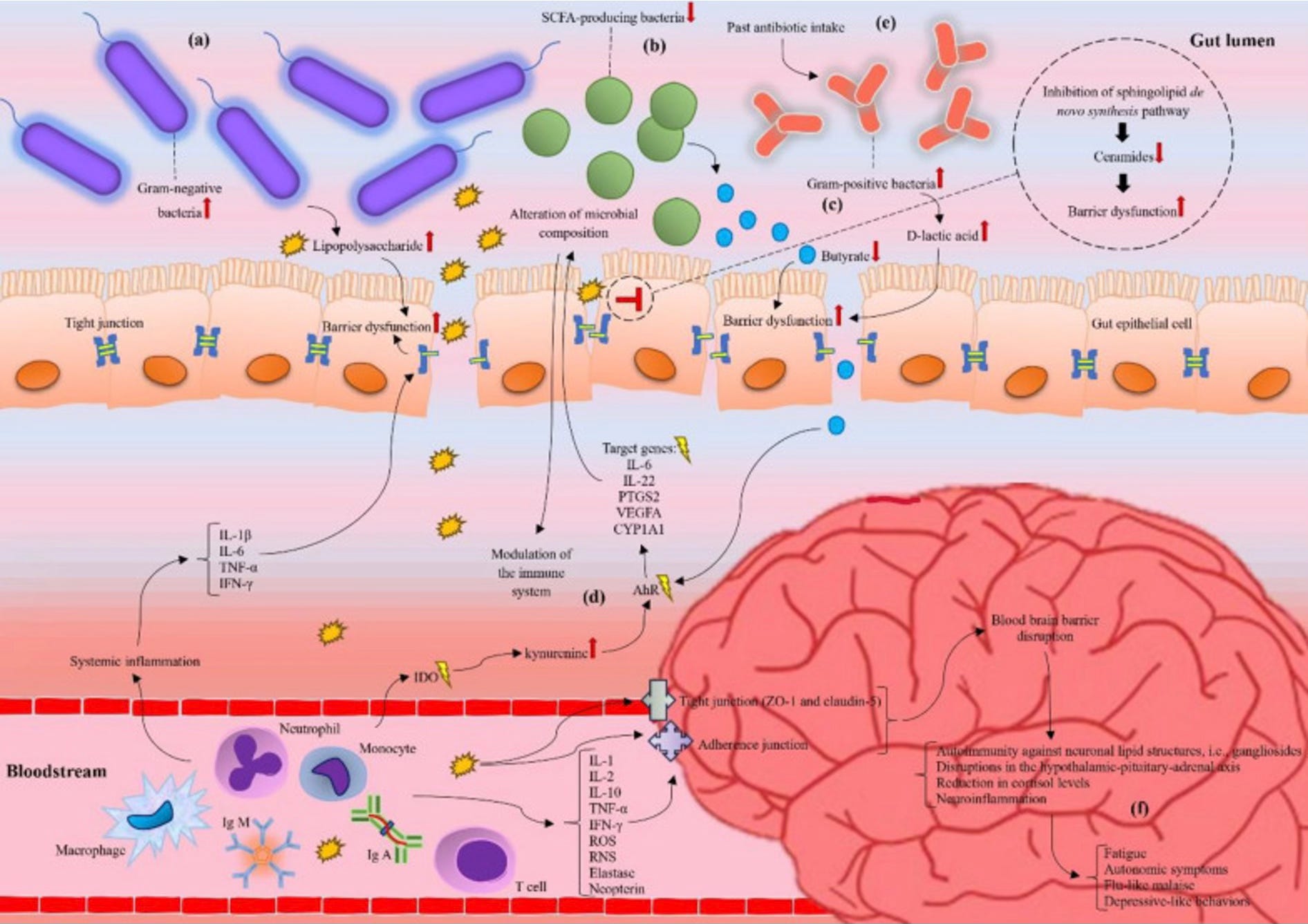
Gut dysbiosis plays a significant role in CFS/ME/FM. Reduced microbial diversity, decreased beneficial bacteria (Faecalibacterium, Firmicutes, Akkermansia muciniphila), and increased potentially pathogenic bacteria (Bacteroides, Phascolarctobacterium), which are pro-inflammatory, increasing lipopolysaccharides (LPS) all play a role. Decreased levels of beneficial short-chain fatty acids (SCFAs) and fermentation products in the gut can also affect mitochondria, impacting energy. The picture below presents a hypothetical framework connecting dysbiosis with ME/CFS via the Increased LPS Theory: “Endotoxins, or LPS, from gram-negative bacteria can enter mesenteric lymph nodes and the bloodstream by disrupting tight-junction proteins, leading to an immune response and systemic inflammation.”
Dysbiosis in IBS and GI Disorders
Irritable Bowel Syndrome (IBS): IBS is present in up to 16% of the population and represents a significant cause of morbidity.
Dysbiosis in the microbiome of those suffering from IBS contributes to the disease's pathophysiology and symptomatology. We used to think it was just stress causing IBS, and I was taught over 40 years ago to use anti-spasmodics like hyoscyamine (LevBiD) to treat it and to send patients for psychotherapy when appropriate. Multiple studies have now demonstrated, however, that patients with IBS exhibit reduced levels of beneficial bacteria such as Lactobacillus and Bifidobacterium, and increased levels of potentially pathogenic bacteria like E. coli and enterobacteria, compared to healthy controls. This altered microbial composition is associated with increased intestinal permeability, low-grade mucosal inflammation, and changes in tight junction protein expression. This increases not only LPS, but spreading food allergies, and, in some cases, drives mast cell activation syndrome (MCAS), increasing systemic inflammation which can exacerbate your underlying illness.
Dysbiosis influences the gut-brain axis, modulating neuroendocrine signaling and serotonergic pathways which are implicated in visceral hypersensitivity, altered motility, and pain perception in IBS. The American College of Gastroenterology highlights that small intestinal bacterial overgrowth (SIBO), a form of dysbiosis, is present in a subset of IBS patients and that normalization of the microbiome with antibiotics such as rifaximin can improve symptoms, particularly in diarrhea-predominant IBS.
Therapeutic strategies targeting the microbiome--including antibiotics, prebiotics, probiotics, and dietary interventions--are being investigated, and approaches remain individualized due to variability in microbiome alterations among IBS patients.
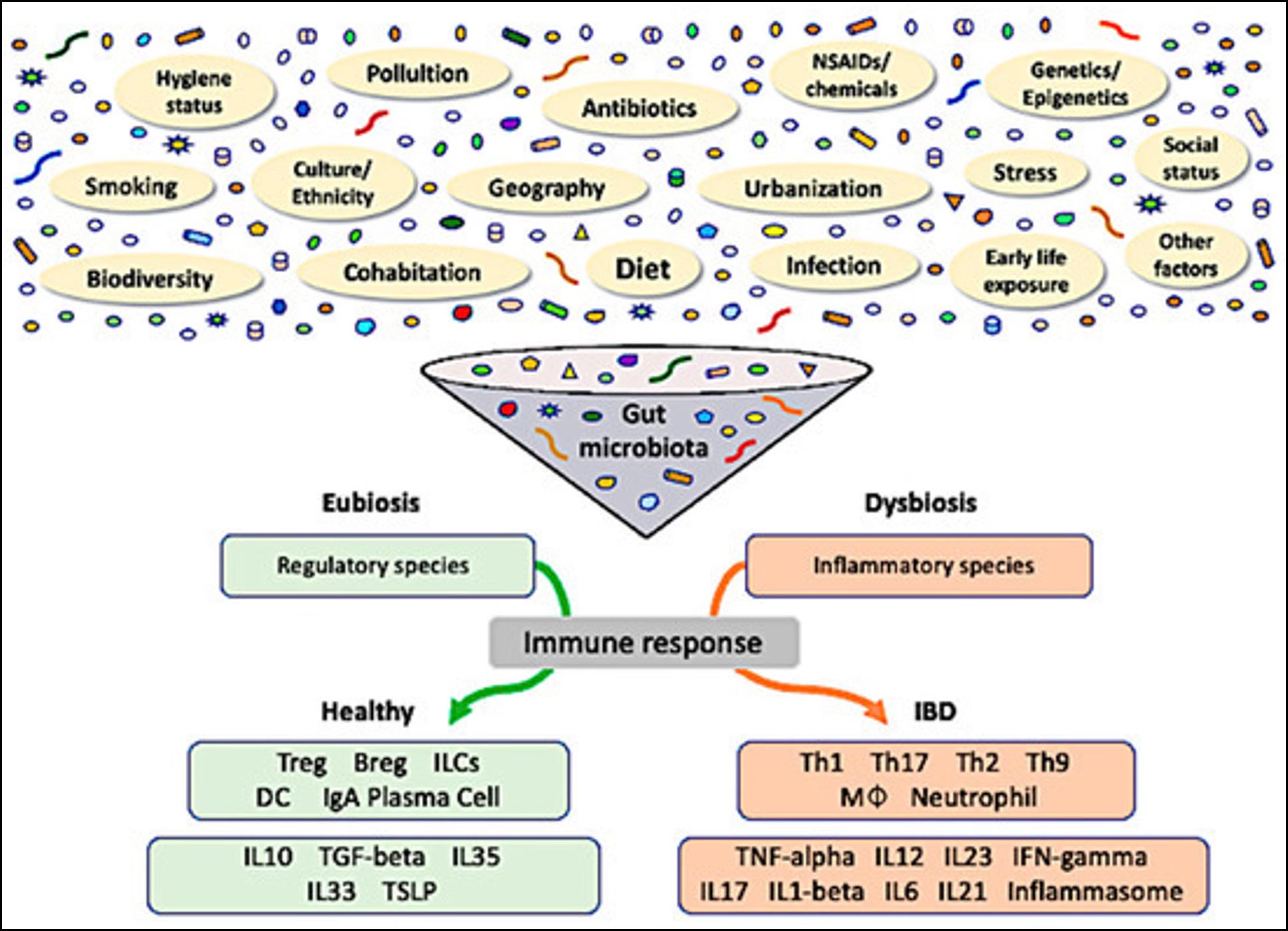
Inflammatory Bowel Disease (IBD) and Gastroesophageal Reflux Disease (GERD): Dysbiosis is also significantly associated with the development and exacerbation of IBD and GERD. In IBD, reduced beneficial bacteria (Bifidobacterium, F. prausnitizii) and increased pro-inflammatory bacteria (Escherichia coli, Enterobacteriaceae) contribute to immune activation and impaired barrier function, increasing symptoms. In the figure below, you can see the role of gut dysbiosis in the pathogenesis of IBD, where gut microbiota reflect an interaction of host genetics with dynamic exposure to innumerable stimuli from the exposome.
In GERD, both esophageal and gut microbiome alterations increase disease risk and progression, and dysbiosis is also implicated in other GI disorders, including functional dyspepsia and colorectal cancer, as discussed earlier.
Viruses, Such as Covid: Gastrointestinal viruses (our virome) play significant roles in health and interact with exogenous viruses that we are exposed to, like Covid. The Covid virus interacts with our microbiome, and can cause dysbiosis, with a reduction in beneficial bacteria (such as Faecalibacterium prausnitizii and Bifidobacterium) resulting in heightened intestinal and systemic inflammation. These changes have been associated with not only gastrointestinal symptoms (diarrhea, abdominal pain) in acute Covid, but also increased disease severity and prolonged recovery, with a higher risk of Long Covid!
Persistent dysbiosis and reduction in beneficial bacteria that produce SCFAs have been linked to increased inflammatory markers (CRP, C reactive protein) post-Covid and contribute to ongoing immune dysregulation after an acute infection. Yet how often do you hear doctors discuss this, as opposed to simply prescribing an anti-viral like Paxlovid?
I hope this scientific overview has convinced you that the microbiome plays an essential role in your heath and prevention of chronic illness. Next up: specific GI tests and interventions to support GI health. Stay tuned!