



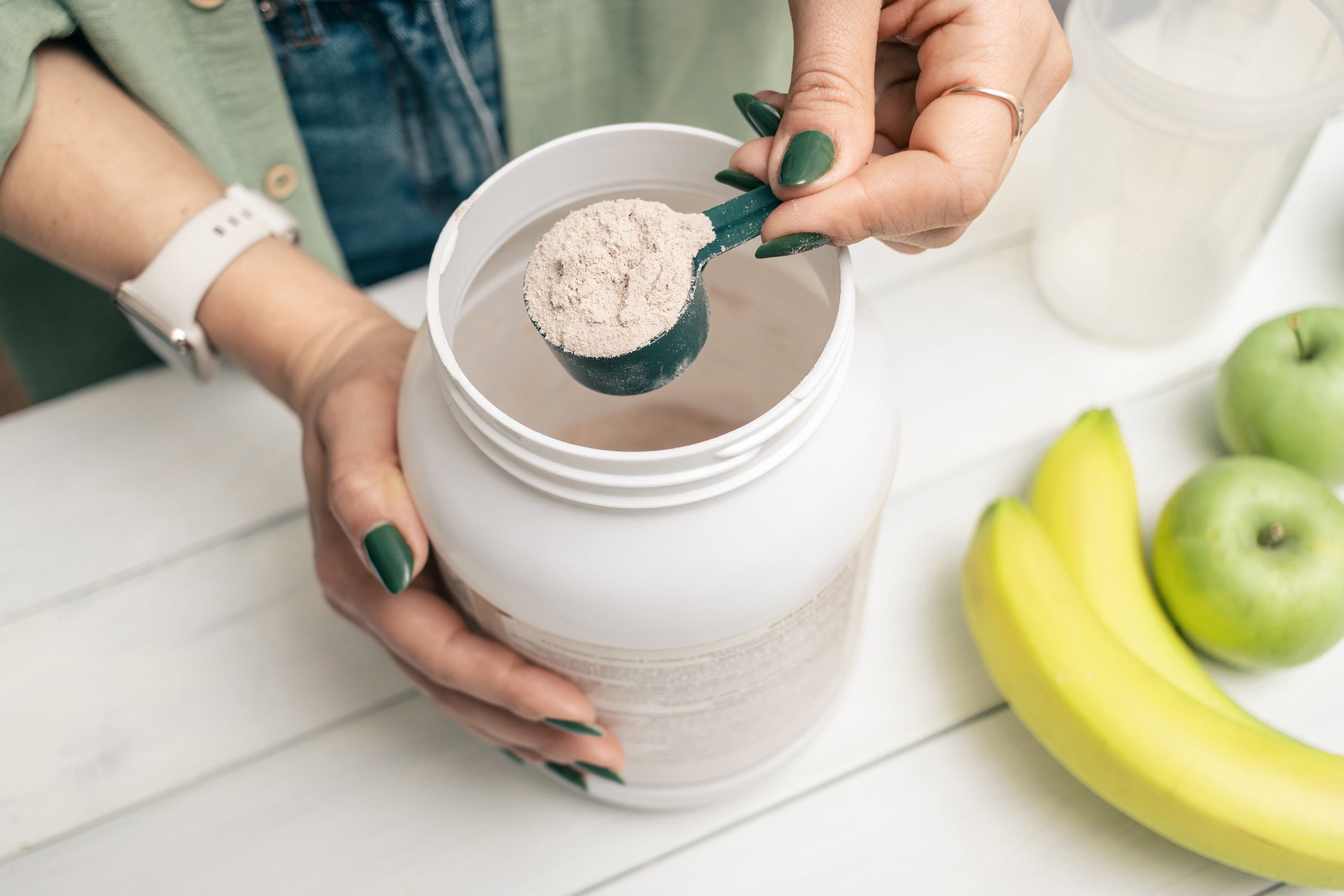
In Chocolate Bomb Substack, Part I, you read about the hidden risks of lead and cadmium in dark chocolate as well as potential industrial exposures. Before moving on to other toxic metals, you should know about a recent report from The Clean Label Project’s Protein Category Insights. They found that protein powders contain high levels of heavy metals. “This report, which tested 160 products from 70 of the top-selling brands —representing 83% of the market— highlights concerns that challenge the current understanding of product purity,” they reported. “Of the products tested, a staggering 47% exceeded California Proposition 65 safety thresholds for toxic metals. Organic products, on average, showed higher levels of heavy metal contamination, with three times more lead and twice the amount of cadmium compared to non-organic products. Plant-based protein powders were particularly concerning, showing three times more lead than whey-based alternatives, and chocolate-flavored powders contained four times more lead than vanilla.” Read it for yourself at:
https://cleanlabelproject.org/wp-content/uploads/CleanLabelProject_ProteinStudyWhitepaper_010625.pdf
So if you are using protein powders, buyer beware, and check your brand!
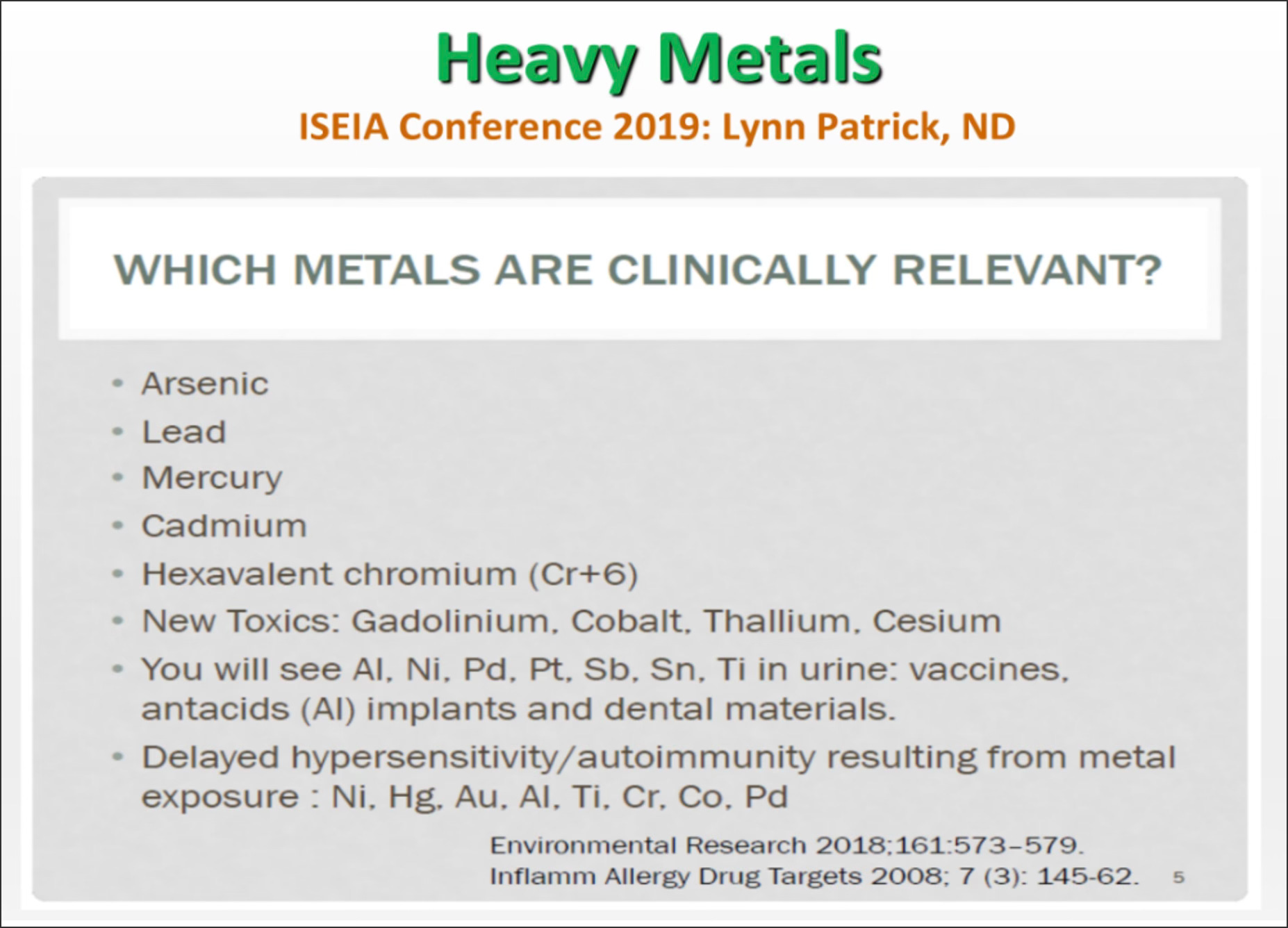
Cadmium and lead aren’t the only toxic metals you need to know about. You may regularly and unwittingly be exposed to mercury, arsenic, and aluminum…as well as other heavy metals and environmental toxins, including but not limited to asbestos, PFAS, PFOA, microplastics, BPA and a host of pesticides…to name just a few of the thousands of toxins in our world. See the list below, which comes from Lynn Patrick, ND at the 2019 ISEIA conference in Arizona. Lynn specializes in heavy metal/environmental toxicity.
How Toxic is Mercury? Very.
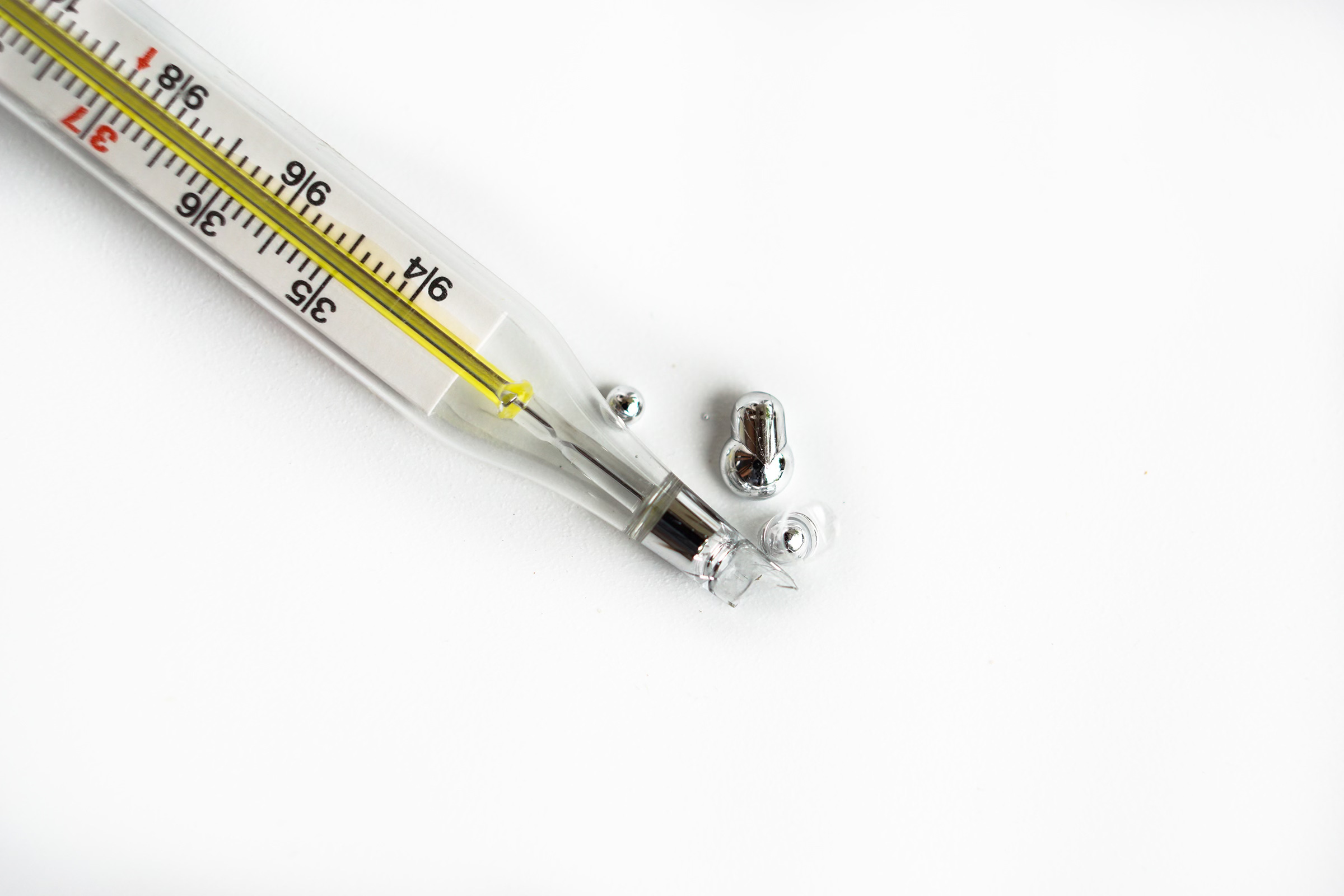
Can you imagine waking up to find a silver liquid dripping from the ceiling into your bedroom? That’s what happened to a woman named Carol Wilson, who was quickly evacuated from her Greenwich Village apartment along with the rest of residents in January 2006. They were all lucky to escape with their lives, because that silver liquid wasn’t paint. It was highly toxic mercury. And it took months of venting and complicated cleaning to make the building, built in the 1890s, habitable again. The source remained unknown, possibly from 2 sculptors who had lived there in the 1930s. You have to wonder what happened to them, too.
Mercury (Hg) is a toxic metal found in rocks, with a shiny silver appearance. It can be liquid or solid, and can leech from the ground into the ocean or be dumped in the form of chemical waste. Once in salt water, bacteria convert it into an organic form called methylmercury, where it’s consumed up the food chain by plankton, then small fish, then larger fish, then enormous fish like tuna, then by humans who think that eating a lot of fish is good for them. (Well, some fish is good for you if you keep down the amounts. You want to avoid fresh/frozen tuna, swordfish, shark, marlin, and tilefish which are larger fish, or orange roughy, but small fish, like sardines, are packed with healthy omega 3s and don’t accumulate Hg.) The problem, however, is that ALL fish (and most foods we consume) have microplastics in them, so my wife and I do limit our fish consumption generally to once a week with wild-caught salmon or freshwater trout.
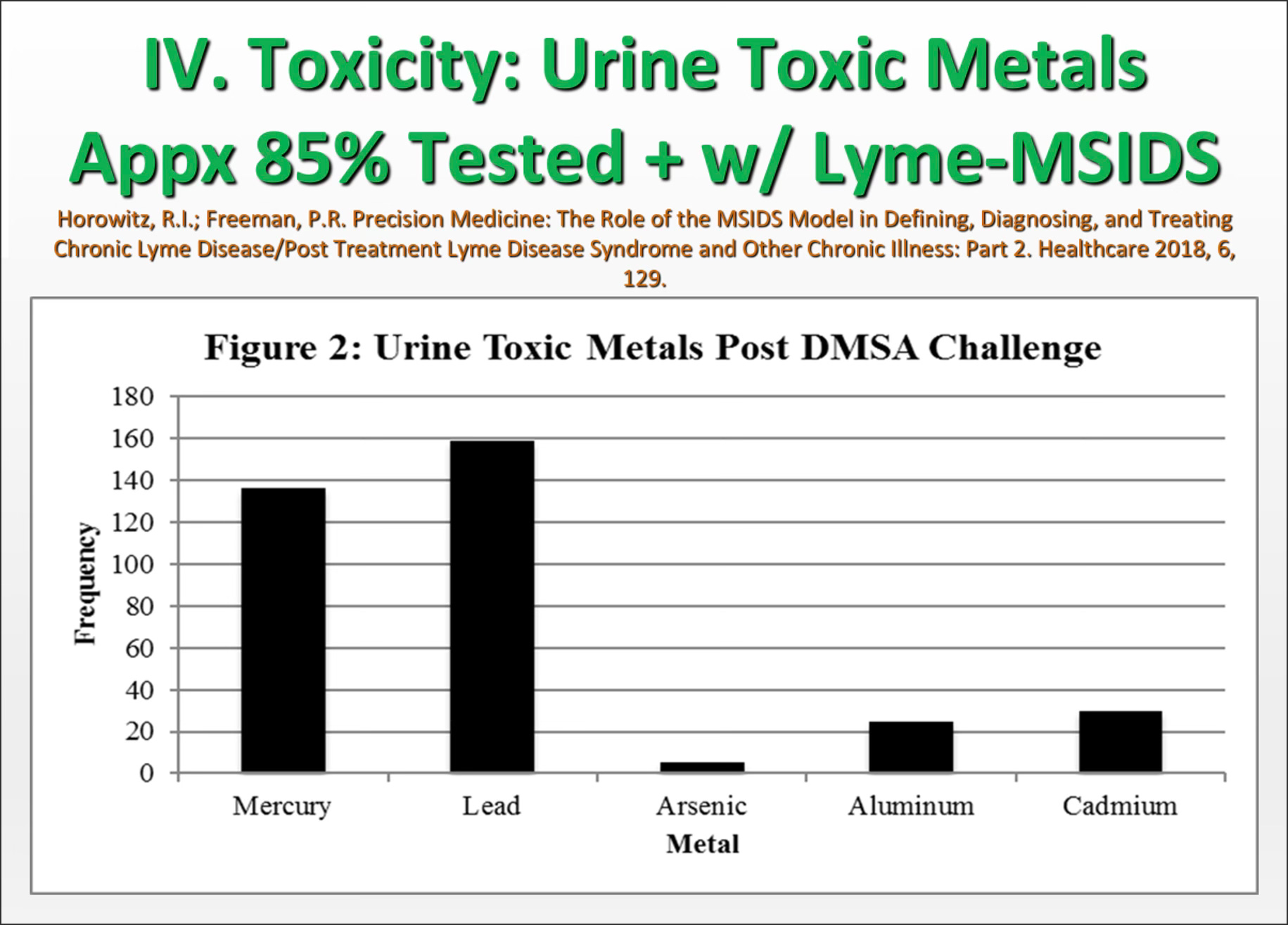
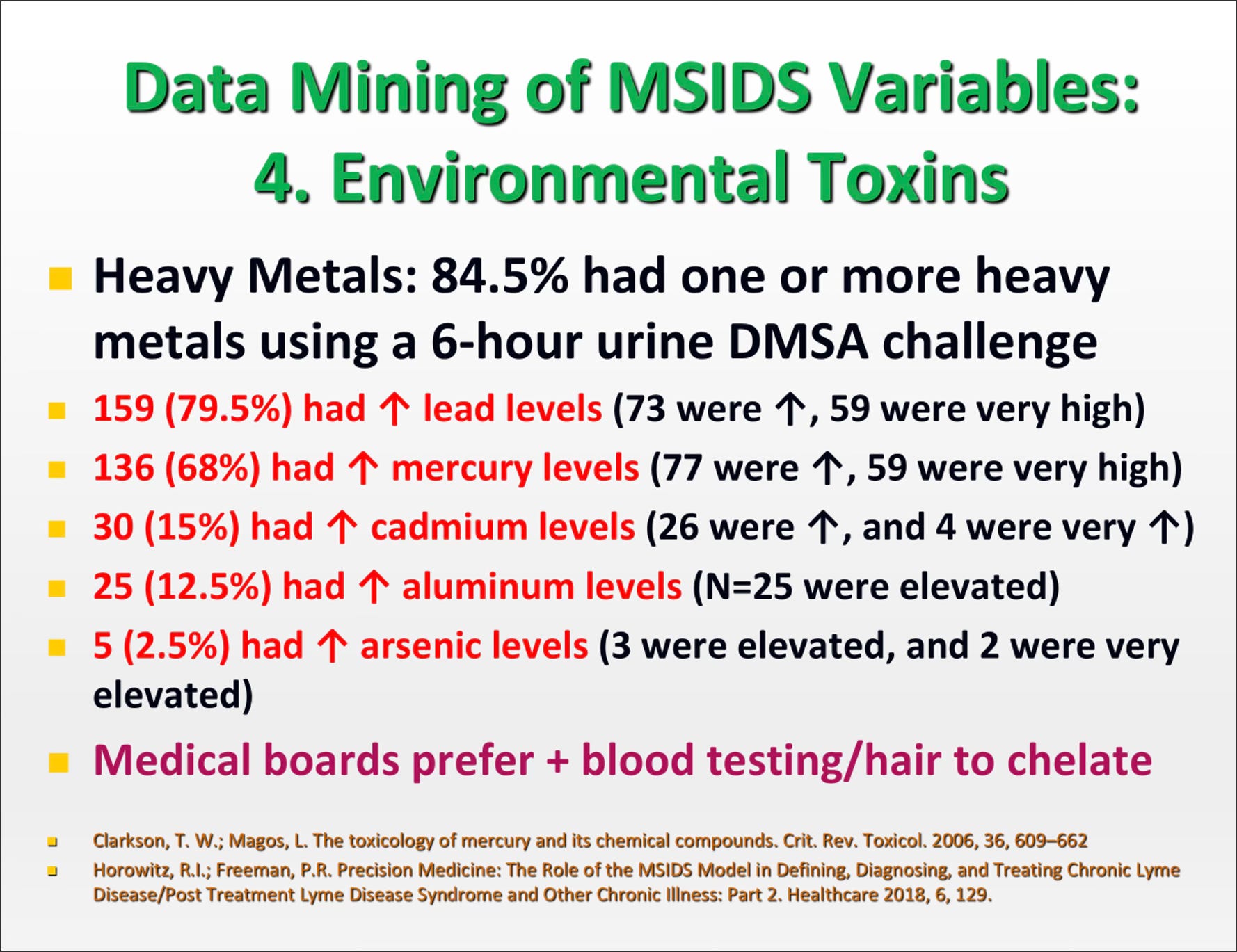
When we published our Precision Medicine paper back in Healthcare in 2018, we found that approximately 85% of our Lyme-MSIDS patients were testing positive for heavy metals. The fourth point on the 16-point MSIDS model in our paper was environmental toxins. You can see that mercury (Hg) and lead (Pb) topped the list followed by cadmium (Cd), aluminum (AL), and arsenic (As).
Like lead, mercury was not thought to be toxic to humans, and it was used in many different industries—making thermometers, amalgam fillings for teeth, vaccines (which I’ll discuss in a future Substack), processing mined gold, fluorescent lighting, coal-burning plants, chemical laboratories, explosives, and batteries. And hats. Because mercury was once used to shape the felt, milliners were exposed to it on a daily basis.
That’s where the expression “mad as a hatter” comes from.

It was also used as a treatment for syphilis before penicillin was available and before all its toxic effects as a neurotoxin were known. Neurotoxins affecting brain function, and exposure is especially dangerous during pregnancy and in infants. Elevated levels have been linked to:
Chronic fatigue syndrome and other autoimmune disorders
Fibromyalgia
Joint and muscle pain
Tingling and numbness, *Neuropathy
Tinnitus
Memory and concentration problems
Increased oxidative stress, creating more internal inflammation
Neurological dysfunction and psychological dysfunction
Many of these symptoms are similar to other chronic fatiguing illnesses with musculoskeletal pain and neuropsychiatric symptoms--chronic Lyme disease, chronic Bartonella, long Covid, chronic fatigue syndrome/ME, fibromyalgia, and multiple autoimmune disorders including multiple sclerosis. Years ago, we found that when we chelated patients with heavy metal toxicity, about 25% with resistant symptoms noticed that their fatigue, pain, neurocognitive disorders, and neuropathy improved. Just like mold toxins/mycotoxicity, heavy metals like Hg can overlap the symptoms seen in the above chronic fatiguing illnesses, and there is a subset of patients that when they are detoxed/chelated, they feel better, and notice that other treatments became more effective.
So if you have been diagnosed with any of the above conditions, you should always be tested for heavy metals and mercury toxicity as well.
And if you’re pregnant or nursing, don’t eat any large fish like tuna at all!
How Toxic is Arsenic? Very.
Arsenic is a metal found in the earth, and those who work in agriculture (especially rice farmers), mining, and making semiconductors are at the most risk. There are no federally approved safe levels of arsenic ingestion, so you might be surprised to find out that arsenic is found in a wide variety of foods such as rice, rice products, apple and grape juice, seafood, mushrooms, poultry, pressure-treated wood in older buildings, and tap water. It can also be found in many different cosmetics—lipsticks, foundation, eye shadow, blush, concealer, and nail polish—thanks to the pigments used. Who wants to get sick because they like deep red lipstick and brightly colored eye shadow? Certainly not you, or anyone you know!

In the slide below, also provided by Lynn Patrick from the ISEIA conference, you can see that arsenic can be associated with a broad range of clinical symptoms.
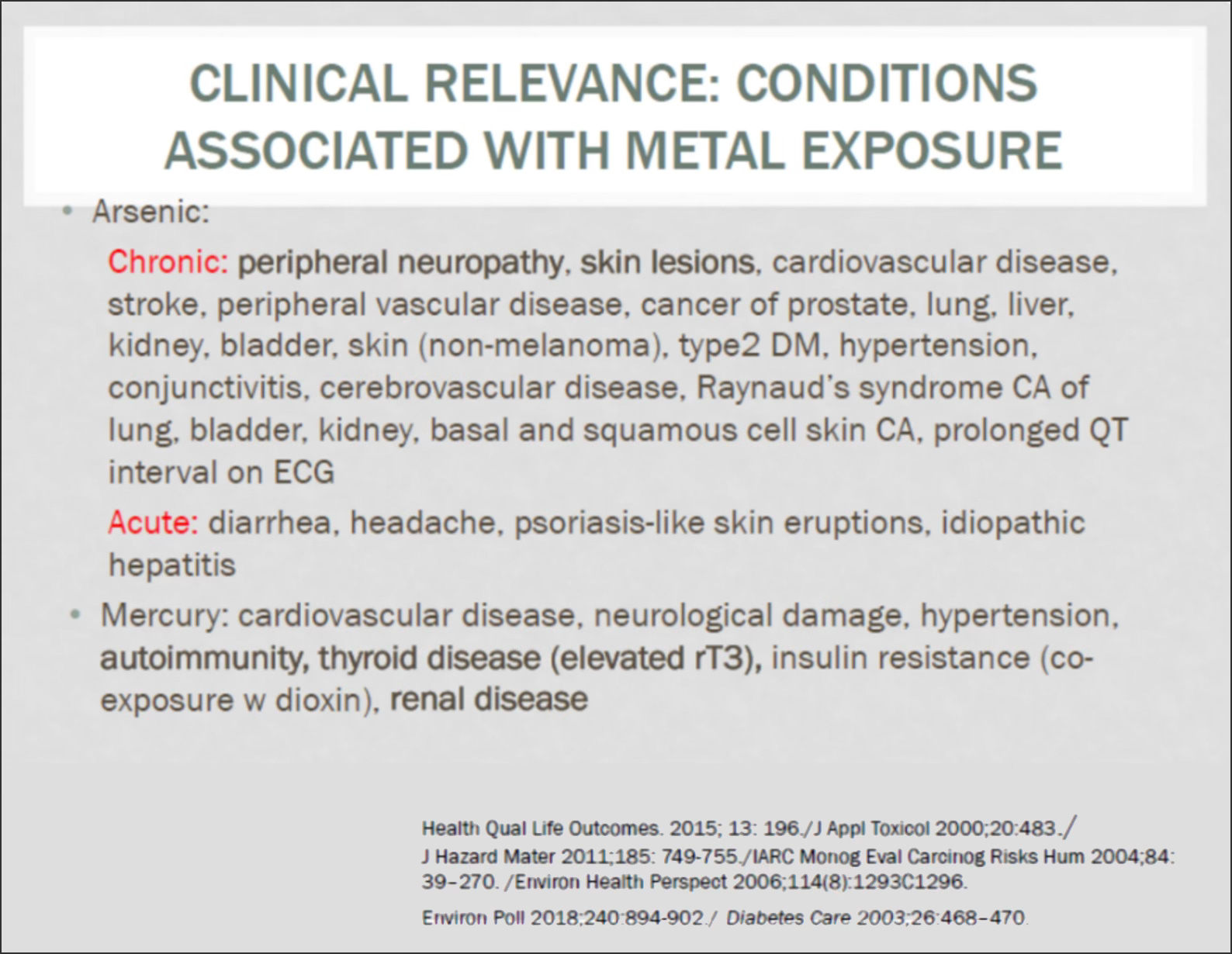
Symptoms of exposure usually start with severe gastrointestinal issues (nausea, vomiting, diarrhea, commonly thin and watery, like “rice water”) and low blood pressure. It can also cause multiple cardiac, vascular, and neurological symptoms (particularly neuropathy), and lead to cancer, anemia, and Type 2 diabetes. When mixed with mercury, the effects can be additive, making cardiovascular disease, hypertension, renal disease, autoimmunity, neurological damage, and insulin resistance even worse.
Regular exposure to arsenic may underlie some of the most common chronic diseases, but doctors rarely check for it. I regularly check levels in my patients’ blood, but the problem is that arsenic only has a half-life of less than 6 hours in the blood, so this isn’t the best way to screen for it, as it moves into nonvascular tissues (liver, kidneys, intestines, spleen, lymph nodes, bones, and deposited in hair, where it can stay for many years) within a few days. Testing the urine is most reliable for recent exposure to arsenic. Hair testing (or testing fingernails) can detect high levels of arsenic over the past 6–12 months. Finally, a 6-hour urine DMSA challenge (DMSA is an FDA- approved chelating agent) based on body weight (30 mg/kg as a one-time dose) is the most common test I use, because it checks tissue levels—you can bet gauge exposure by pulling it from the tissue-binding sites.
How Toxic is Aluminum? Very.
I think it’s pretty safe to assume that aluminum foil is found on the shelves of most American kitchens. But you probably didn’t know that aluminum is the most abundant metal in the earth’s crust, and is not biodegradable. It’s very commonly used in pots and pans, cans, siding, roofing, airplanes, cosmetics, sunscreen, astringents, antiperspirants, aspirin, antacids, and more (including some baking soda).
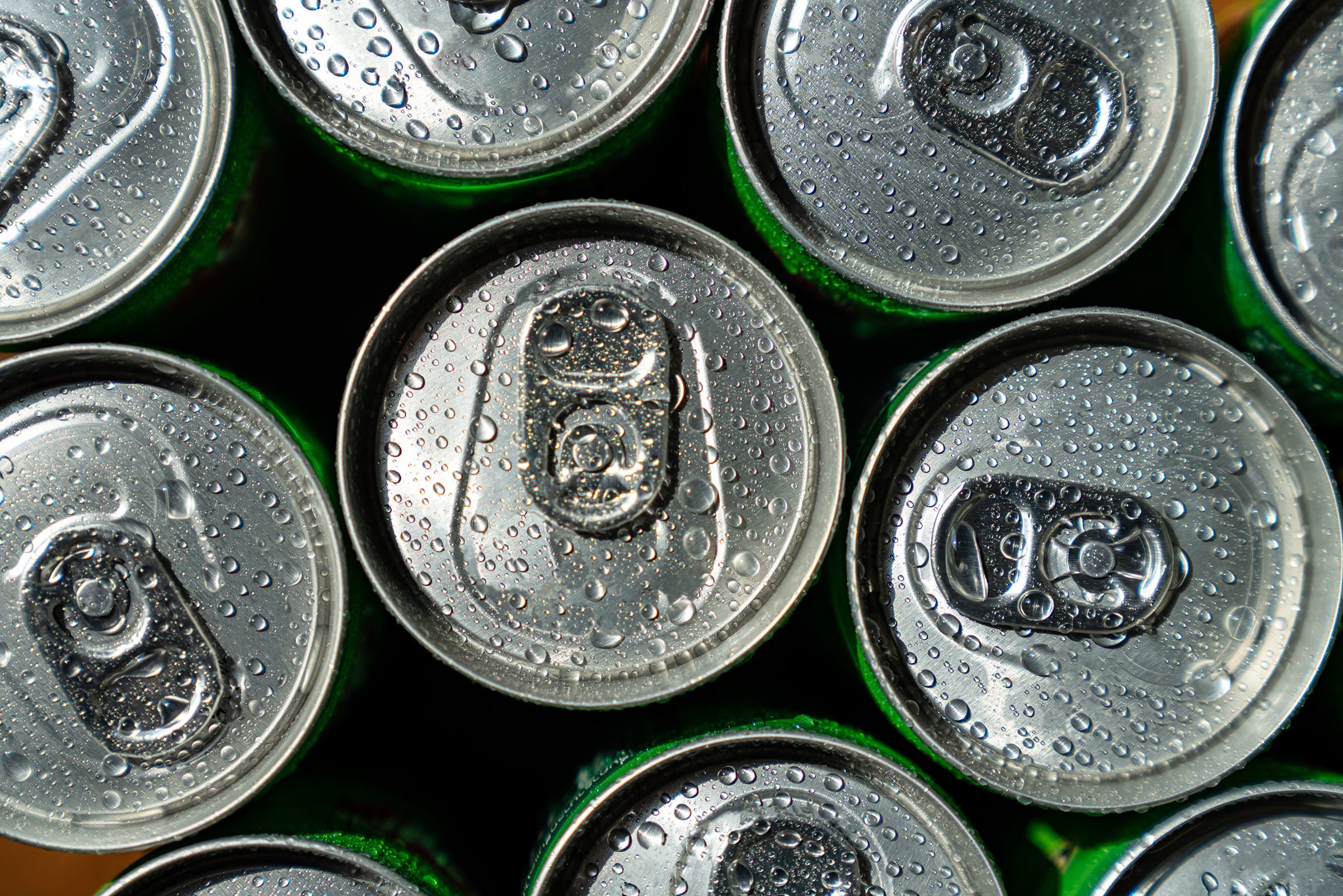
According to the CDC, the average American adult eats about 7-9 mg. of aluminum every day, much of which is not harmful and is excreted. But high levels are deposited in the nerves and brain, making them potent neurotoxins. They are known to accumulate in the neurons of patients with ALS and Parkinson’s disease, and they also increase the risk for Alzheimer’s disease.
The rule of thumb with toxins in general, is that small amounts may not cause a problem in themselves, but it depends on your body’s total toxin levels, how well your detoxification pathways are working, and underlying medical conditions to determine how even small amounts may affect you.
Because aluminum is found all over this planet, you can’t avoid it. But you can minimize exposure by not ingesting a lot of aluminum-containing antacids or buffered aspirin. If you work in an industry that uses or creates aluminum products, be sure you have adequate protection from inhaling aluminum dust. I suggest eating an apple a day, as its malic acid (plums and cherries also have some), help bind AL naturally if your levels are showing up in the blood or on a urine analysis. Malic acid can help remove aluminum and other toxins from the body and can also influence how aluminum is absorbed, excreted, and retained. I also often use magnesium malate as a nutritional supplement, for mitochondrial and detox support, as magnesium is found in over 300 detoxification enzymes in the body.
How Toxic is Asbestos? Very.
Asbestos is a mineral with unusually strong fibers and heat resistance, so it was commonly used for decades as insulation in buildings, pipes, automobile parts, fire-retardant products, heat-resistant packaging, some paints, and packaging. Unfortunately, its useful properties made it a mainstay in the building and automotive industries before people realized that it can become highly toxic. According to the EPA, “Asbestos fibers may be released into the air by the disturbance of asbestos-containing material during product use, demolition work, building or home maintenance, repair, and remodeling. In general, exposure may occur only when the asbestos-containing material is disturbed or damaged in some way to release particles and fibers into the air.”
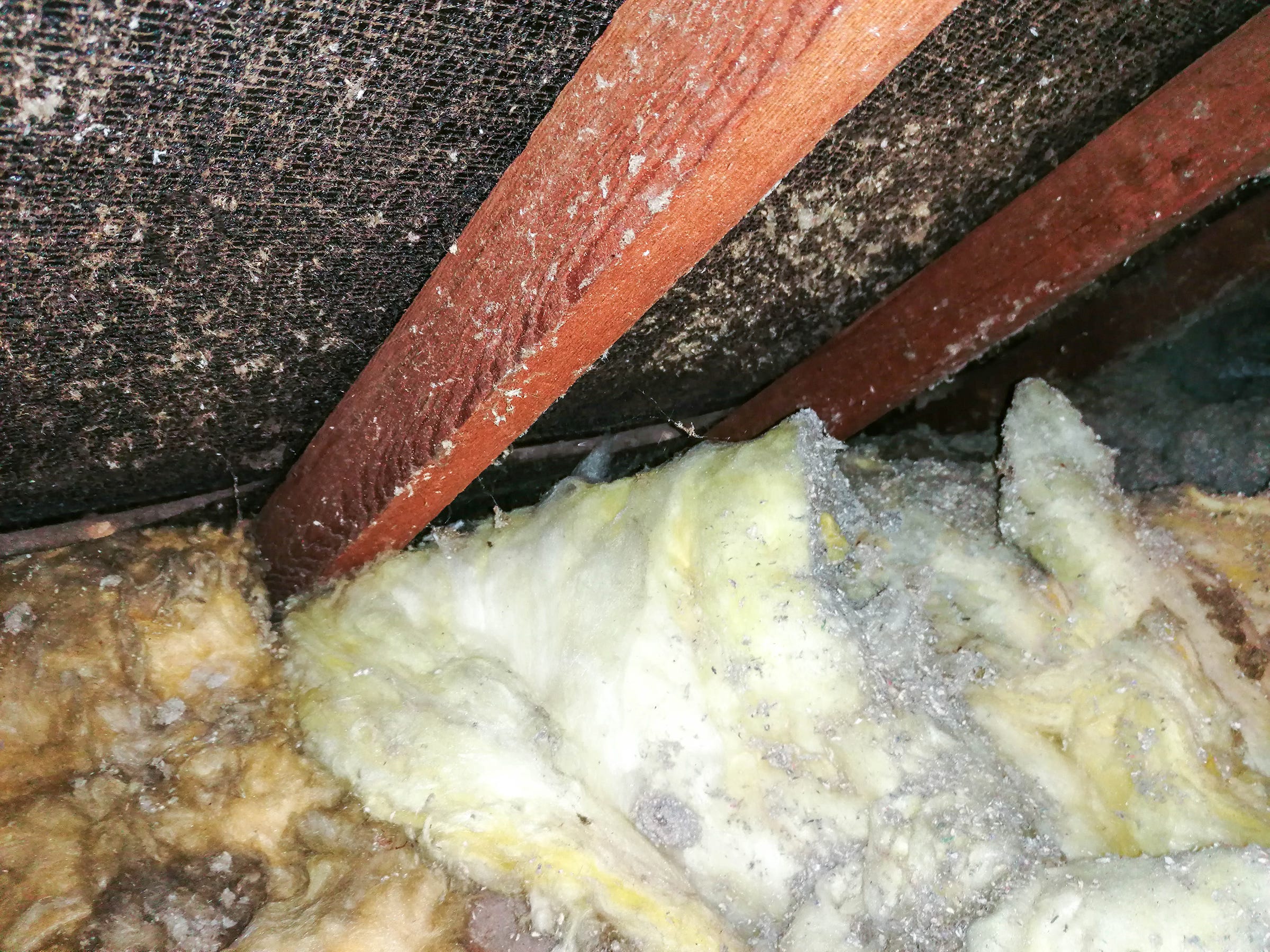
Repeated exposure to asbestos fibers can cause lung cancer, mesothelioma (a rare cancer), or asbestosis (a non-cancerous lung disease). It may also cause ovarian cancer in women who used talcum powder in large amounts to keep their genitals dry. It’s not commonly known that talc is mined from the earth, and that most talc deposits contain asbestos. Even though Johnson & Johnson (J&J) knew for decades that the talc they used in baby powder—yes, for babies!—was likely to be contaminated, they did not disclose this fact until the FDA revealed contamination in 2019, followed by multiple lawsuits (over 60,000!) on behalf of people who got cancer or mesothelioma or other side effects. J&J only decided to halt all sales of their talcum powder worldwide in 2022, switching to a cornstarch-based product instead.
According to the Mesothelioma Center, “In 2019, the U.S. Food and Drug Administration found asbestos in 9 of 52 personal hygiene and makeup products. Between 1948 and 2017, 66% of 1,032 cosmetic talc products tested through litigation were positive for asbestos.” It is very worrying that asbestos-contaminated talc is still being found in talcum powder not made by J&J, in cosmetics, in toys, and still has many different industrial uses.
More than ever, you need to be an educated consumer. The last thing you want to do is to develop a chronic disease simply because you ate a lot of sushi or liked certain brands of makeup. Also pay attention to recalls, as millions of MadeGood granola bars were recalled at the end of 2024 because some of them were contaminated with metal bristles that somehow got into the bars during manufacture.
Keep in mind, however, that the number of environmental toxins you are regularly being exposed to--in the hundreds to thousands--means that you can’t live in a bubble. Supporting your detoxification pathways is more important than ever. Future Substacks will show you how to ramp up your detoxification pathways and best address some of the regular toxins getting into everyone’s bodies.
Next up: Testing and Treatments for Heavy Metals….