


One of the most common problems doctors face is when their patients self-diagnose after going online and reading information they think is helpful--but is actually bogus. Often, they’re convinced to buy some incredible new supplement that will “melt the pounds away overnight,” or that will cure what ails them. And they’re crestfallen when I tell them that they wasted their money after examining the product which doesn’t have credible scientific backing or meet GMP (Good Manufacturing Practices) standards while potentially putting their health at risk. And even if the supplement is what it says it is, patients are oftentimes unaware that some of the ingredients can adversely interact with their medicines, decreasing their efficacy or increasing side effects.
But here’s another problem. Hit the Google button and you can get instant access to countless medical and scientific journals online—which is fantastic for everyone. All this information on your computer is a mere few seconds. You can easily read the studies and sources themselves. The real deal.
Or are they?
On June 11, 2024, this article appeared in the Washington Post:
https://www.washingtonpost.com/opinions/2024/06/11/scientific-journals-retractions-paper-mills/.
The headline read: “An epidemic of scientific fakery threatens to overwhelm publishers.”
The subhead read: “More than 10,000 scientific papers were retracted last year as ‘paper mills’ exploit the system.”
This is shocking! We’re supposed to be able to trust the science--but then how can we trust the science?
Scientists are as fallible as anyone else, of course. People make honest mistakes in any line of work. But some people make dishonest mistakes when millions of dollars of research funding--as well as reputations and employment—are at stake.
An absolute catastrophe of retraction also took place recently, when the authors of one of the most well-known papers about the treatment of Alzheimer’s disease (AD) have agreed to retract it because it contained doctored images.
This study, first published in Nature magazine in 2006, suggested a certain amyloid beta protein in the brain might be responsible for AD. If so, and if this protein could be removed from the brain, could this then lead to a cure for the 6.7 million Americans currently suffering from this debilitating and devastating disease?
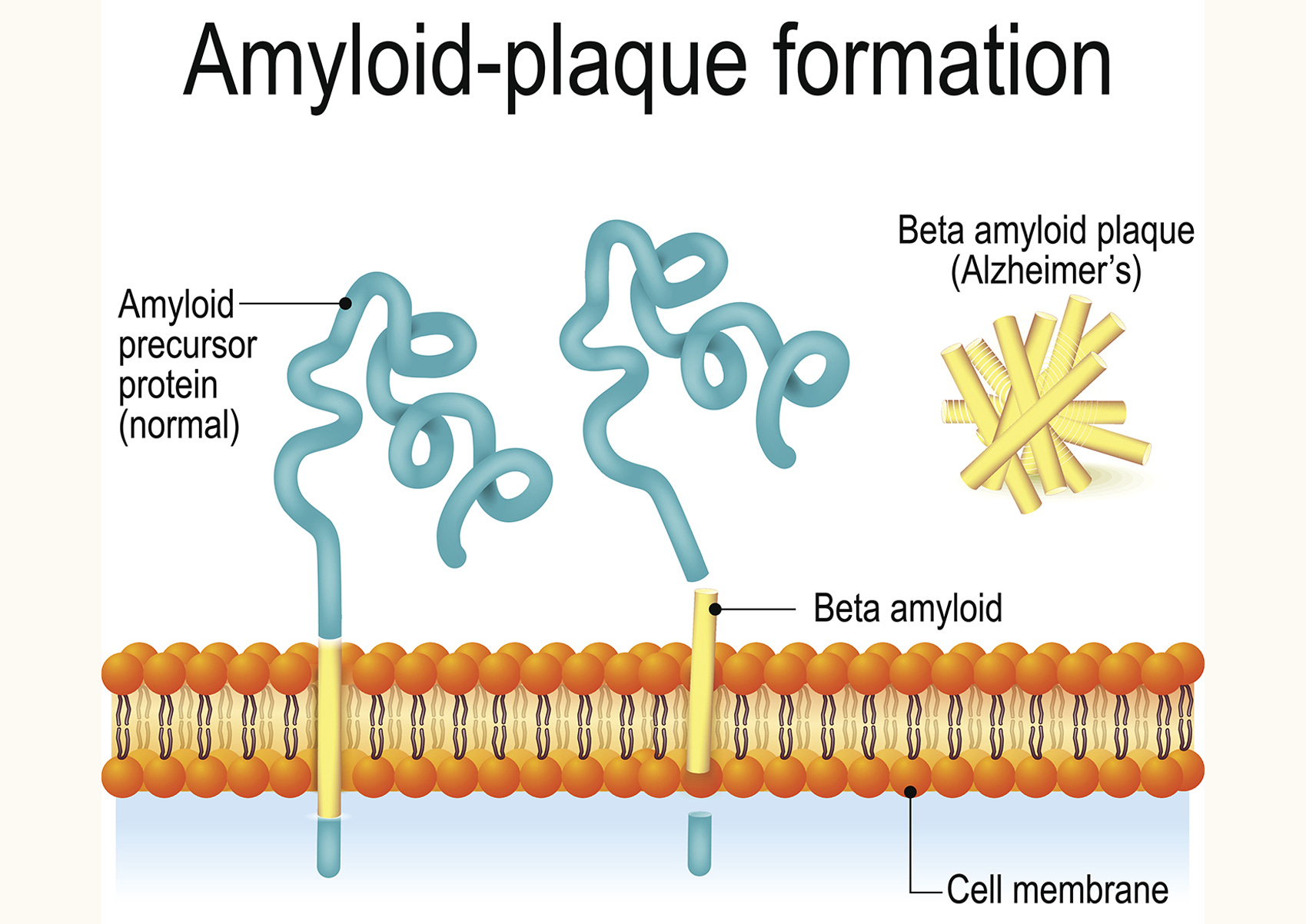
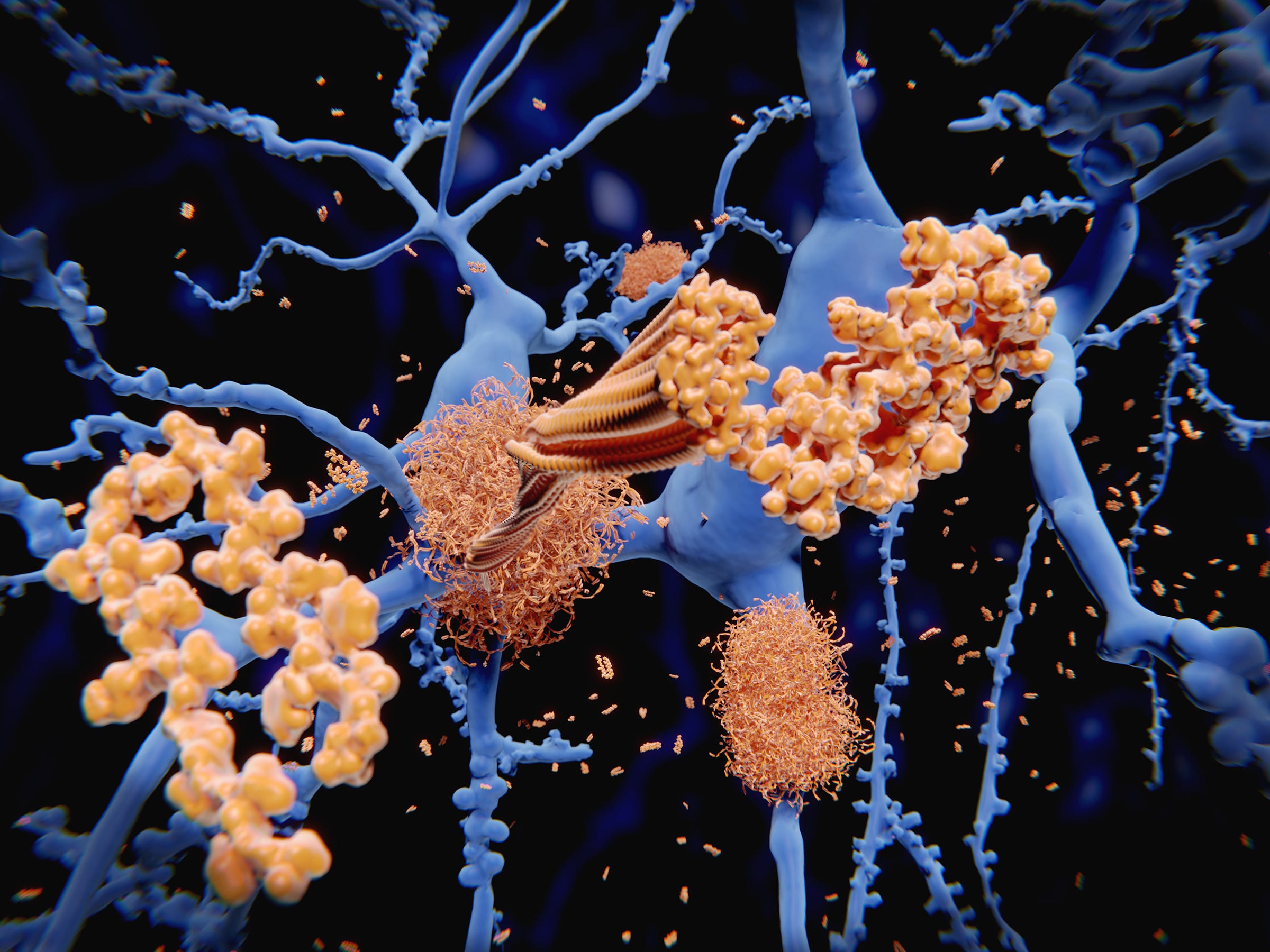
Well, as you can imagine, lots and lots of funding arrived. The study was endlessly cited—nearly 2,500 times, according to Science magazine reporter Charles Piller. Not only that, he added in an article published online on June 4, 2024, but this study would be “the most cited paper ever to be retracted, according to Retraction Watch data.”
Does this mean that nearly 2 decades of research were spent chasing the wrong suspect? What about the anti-amyloid drugs that were recently approved by the FDA?
The approval of one of them, donanemab (Kisunla), was recently investigated by researchers at the British Medical Journal. Before the FDA approved this drug, it found “a higher rate of treatment discontinuation due to adverse events (frequently brain hemorrhage and swelling) among patients on donanemab compared with placebo, and an ‘imbalance’ in overall deaths.” Not only that, but the investigators found that 7 of the 8 FDA-appointed doctors who reviewed donanemab received direct payments from drug companies.
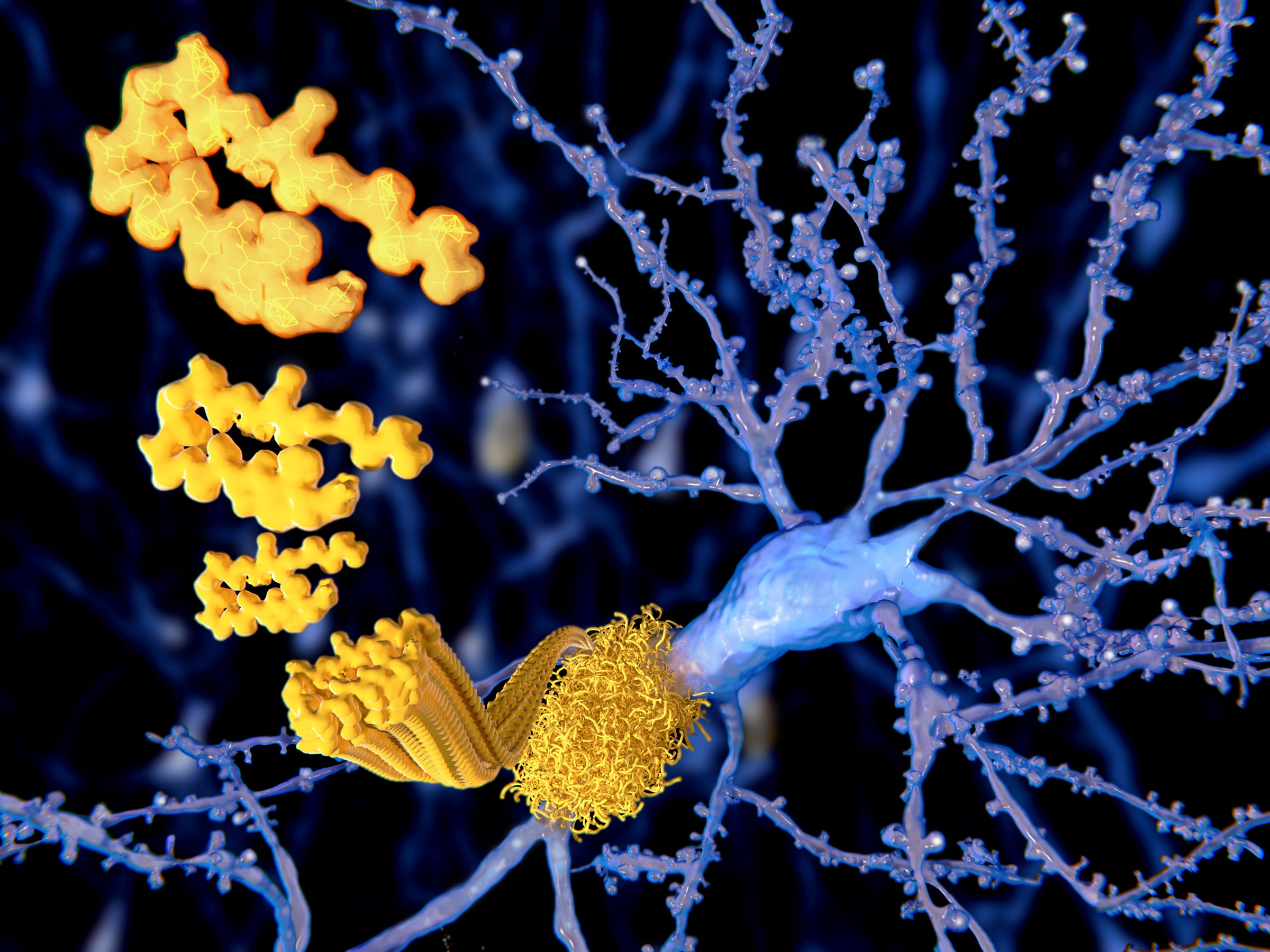
Yet according to a clinical trial of 1,800 people with early-stage Alzheimer's disease (AD), one of the newer drugs slowed the decline of memory and thinking by 27% over 18 months of treatment, while reducing the amount of amyloid in the brain. So, amyloid may be playing a role, but these new medicines do have some potentially serious adverse side effects, and the treatment is not curative, without adequate data on how effective it will be over a longer period of time. Should we pull amyloid out if we’re not sure it’s the main culprit?
I wish I had a satisfactory answer.
Wait—it gets worse. The National Institute on Aging (NIA) hired expert brain researcher Eliezer Masliah as a key research leader. We’re talking millions in funding. But an investigation by Science found glaring flaws in his data. The NIH found “falsification and/or fabrication involving re-use and relabel of figure panels representing different experimental results in 2 publications,” yet Science reported that the discrepancies are far greater than just in 2 studies.
“I’m floored,” says Samuel Gandy, a prominent neurologist at the Mount Sinai Alzheimer’s Disease Research Center who was visibly shaken during a video interview [with Science]. “Hundreds of images. There had to have been ongoing manipulation for years.”
A comprehensive look at how and why this happens is in this must-read article, “A Scientific Fraud. An Investigation. A Lab in Recovery” published online in The Transmitter in October 2024. “In recent decades, scientific misconduct—formally defined as the falsification, fabrication or plagiarism of data—has lurched into the spotlight,” reporter Calli McMurray wrote. “Investigations have uncovered fraudulent data at the foundation of a prominent Alzheimer’s disease theory, toppled presidencies at elite universities and shuttered entire families of journals. Fake studies sully both the scientific record and the public’s opinion of science, and they waste time and tax dollars.” Many researchers are under immense pressure to provide results in order to get or maintain desperately needed funding—and they resort to desperate measures as a resort. Even knowing what the consequences will be should they be found out.
What I can tell you is that the field of Alzheimer’s disease is fraught with problems from my perspective. Not only are there competing theories as to the cause of cognitive issues (the “mitochondrial cascade hypothesis” is a competing theory that AD is caused by bioenergetic dysfunction due to declining mitochondrial function over time as people age, leading to memory loss), but the elephant in the room is why amyloid forms in the first place. Anyone or all of these can cause amyloid plaques to form:
Genetics
Too much cholesterol or insulin
Not enough sleep
Too much free radical stress
Chronic or latent infections, whether viruses or Lyme disease
Environmental toxins like pesticides.
To address an end-stage problem with medicine--without getting to all the underlying sources of the problem--will never solve the growing incidents of dementia with an aging population. Especially because these newly approved FDA medications are expensive, not necessarily covered by insurance, and without adequate data to back up their long-term efficacy.
Even more concerning--as of 2017, an estimated 46.7 million American adults over 30 have been estimated to have preclinical AD with amyloid accumulation and/or neurodegeneration, but without any memory problems. People with preclinical AD may not progress to clinical disease during their lifetimes, but our healthcare system doesn’t have adequate guidelines as to how to address these asymptomatic individuals. How many of the individuals diagnosed with early AD actually have chronic Lyme disease and associated environmental toxins affecting their memory?
Like David. He came to me several years ago, when he was 75. He told me he’d gotten a clinical diagnosis of early AD by his neurologist. He had been ruled out for common causes of memory loss, like B12 deficiency, thyroid issues, heavy metal toxicity…but despite living on Long Island, had never been checked for Lyme disease or mold toxins. I had a neurologist run a local ELISA and Western blot before sending off an IgeneX Immunoblot, and it was CDC positive for exposure; his mold toxin testing was also positive. I explained to him that he had chronic Lyme disease, not early AD, and mold toxins were likely also affecting his cognition. He didn’t want to do intense dapsone therapy, opting for a trial of low-dose minocycline and low-dose dapsone (25 mg/day). Both of these medications have excellent penetration into the brain. One month later, he returned to our office, and his memory/concentration was 100% back to normal.
How many individuals have chronic infections like Lyme and/or Bartonella affecting their memory, yet are never properly evaluated for it? And could dapsone be a solution for AD? We find dapsone significantly helps memory/concentration problems in chronic Lyme disease, and there was a paper from a Korean researcher, Dr Lee in 2022, that showed in a study of leprosy patients in South Korea, that dapsone may help prevent Alzheimer's disease (Lee JH, et al. Dapsone is an anticatalysis for Alzheimer's disease exacerbation. iScience. 2022 Apr 20;25(5):104274). The study found that the incidence of AD was significantly reduced in patients taking dapsone. The study also found that the prevalence of AD was significantly higher in patients who were not taking dapsone. Moreover, a 1-year, randomized, double-blind, placebo-controlled clinical trial in 201 patients with mild to moderate Alzheimer's disease reported an unambiguous effect of efficacy exerted by dapsone (100 mg/day, oral, 52 weeks). Yet perhaps the public hasn’t heard about this, is because dapsone is a generic, oral, cheap medication? A randomized, double blind trial is the ‘gold standard’ in medicine. It showed definite help. Shame, shame that there has not been further follow-up on these findings.
And then what about the recent discovery, published in the medical literature in August 2024, that dopamine treatment breaks down Alzheimer’s plaques? Dopamine, our “feel-good hormone,” seems to be able to stimulate the production of an enzyme known to break down beta-amyloid plaques in the brain (proven in a mouse model at this point in time). Science is advancing, and we need to use discriminating wisdom to interpret studies as they emerge.
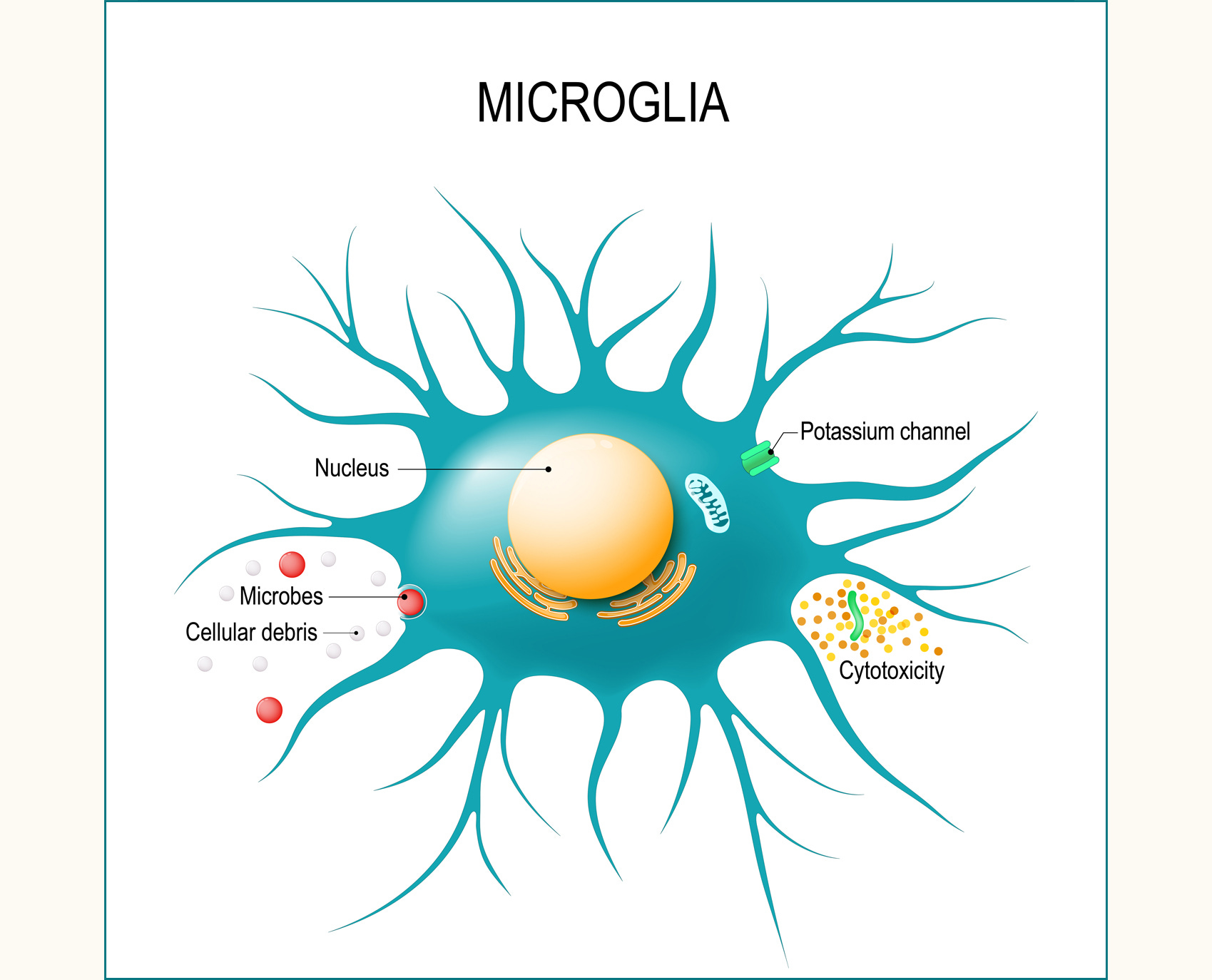
Similarly, a new article just got released, published in Nature Neuroscience, challenging the previously accepted notion that neurons were the only source of Beta amyloid. We now know that microglial cells in the brain, and other neuronal cells called oligodendrocytes, can produce amyloid and contribute to plaque deposition. Could low dose naltrexone, which helps block microglial cell activation, help prevent some of the consequences of AD? Only time will tell.
I will discuss dementia and the MSIDS model in future Substacks and in my third science book (in process), but in the meantime, the rule of thumb in reading scientific literature and interpreting it is the following: chronic diseases are usually multi-factorial in nature. I learned in medical school, even 40+ years ago, that science is constantly changing, and that 50% of what we believe now will likely change in 5-10 years. So, we shouldn’t be shocked if theories change over time and are replaced by new ones, but 10,000 papers retracted in one year does speak volumes as to the unfortunate influence of ego and money on what should be a pristine and reliable system.
While we are still working out the details of how best to treat AD and other chronic illnesses, like chronic Lyme disease, just remember that if a theory about a disease has been out for a while, and it has been proven by not one method, but by many (culture, animal studies, human trials) it has a better chance of being true. And even when papers are not retracted, discriminating wisdom is needed to understand when the old guard, whose egos and reputations have been built on older, outdated research, continue to hold onto outdated theories, quoting their own research and refusing to move with the times. That can hurt patients.
The essential teachings that I learned from my spiritual teachers decades ago hold true, now more than ever, and it is at the heart of my work as a Medical Detective. This is a quote that I made up years ago, integrating their knowledge, and I usually end most of my lectures with it: “Wisdom is the marriage of knowledge and experience, bound by compassion.” We can have scientific knowledge…but if not used appropriately, without solid and verifiable experience in the real world, and lacking compassion, it is not wisdom.